

Art Production Revolution: AI Technology Unleashed
The fusion of AI with art creation transforms how we think about creativity and artwork. Tools like GPT-4, DALL-E, and Midjourney are at the forefront, allowing artists to generate unique concepts, craft detailed visuals, and even participate in art-making alongside these technologies. This blend of humans and AI in art challenges our views on what makes art creative and original. It also prompts us to consider how the role of artists might change in a world where machines can create art that connects with us on an emotional and aesthetic level. This shift has significant implications for the art industry and prompts us to rethink our definitions of artistry and innovation.
Blending AI into art isn’t just a fancy idea; it’s happening now and altering how we see art and creativity. As AI tools like GPT-4, DALL-E, and Midjourney become more advanced, they provide artists with new ways to think up ideas, create complex images, and even help make art. This mix of humans and AI in creating art makes us question what creativity means, what makes art original, and what the future holds for artists in a time when machines can make art that touches our hearts and looks beautiful. These changes are significant for the art world and make us rethink what it means to be creative and innovative.
Key Takeaways
The art industry is witnessing a significant shift due to AI innovations. Cutting-edge tools like GPT-4, DALL-E, and Midjourney redefine the creative process, enabling artists to craft fresh, distinctive works effortlessly.
This synergy of human imagination and artificial intelligence is accelerating the evolution of art. It’s also democratizing art, making it more accessible and tailored to individual tastes.
As these technologies advance, we anticipate a surge in the creativity and efficiency of art production.
- AI tools make art creation more accessible.
- Human and AI collaboration boosts art evolution.
- Advanced technology promises more creative art.
The AI Art Evolution
Since the 1950s, artists like Manfred Mohr and Vera Molnár started using computer graphics to make art, showing how even early tech could create stunning visuals. This was just the beginning of a massive change in how art is made.
The introduction of generative adversarial networks (GANs) changed everything in AI art. These algorithms could create art and improve by learning from a collection of images. This meant they could make art that looked like humans caused it. The big moment for AI-generated art came in 2016, when an auction sold art made by Google’s Deep Dream, proving that this kind of art could be both valuable and respected.
These advancements show how technology and art have come together, changing how we see and make art. It’s a blend of old and new, pushing the limits of creativity.
Generative AI Explained
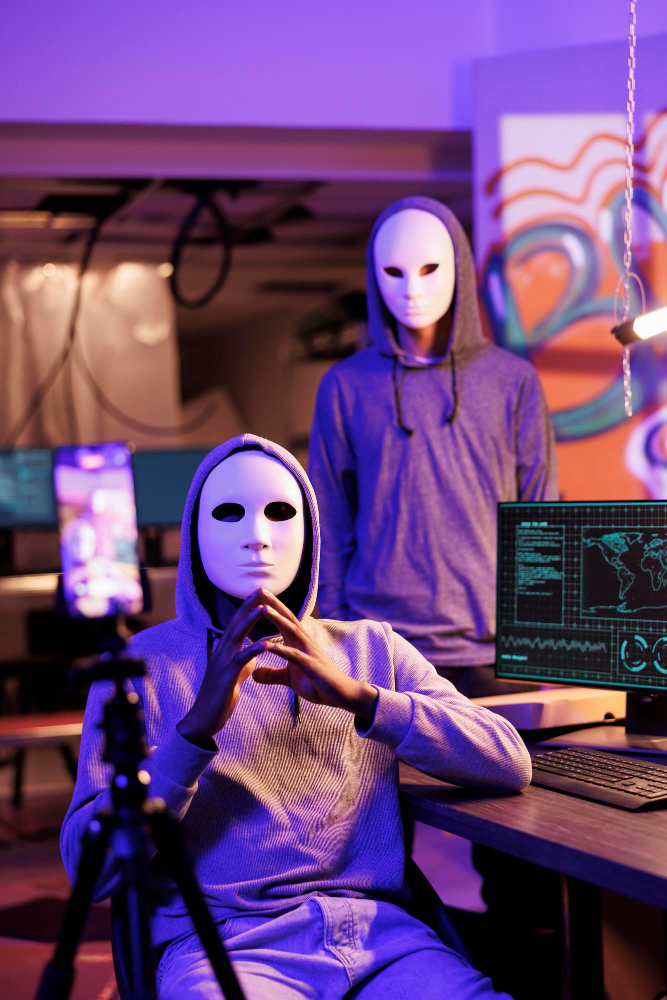
Generative AI marks a significant leap forward in artificial intelligence technology. It allows systems to independently create new content, from visual art to written stories, using complex algorithms, neural networks, and extensive data.
This technology is beneficial in the fields of art and design. It offers artists and creators new ways to innovate and improve their efficiency. When discussing generative AI, it’s essential to look at its use in creating art and the ethical questions it raises in the art world and beyond.
Understanding Generative AI
Generative AI is at the forefront of a significant shift in making art, using complex systems like GANs (Generative Adversarial Networks) to create everything from paintings and writings to melodies. This technology is a powerful tool for artists, offering them new ways to explore creativity.
Generative AI systems are designed to produce original, imaginative work. They use GANs to achieve this, showcasing the advanced nature of the technology. This opens up a world of possibilities for artists, providing them with innovative tools and sources of inspiration that were previously unimaginable. It’s a game-changer in how art is both made and perceived.
This blending of human creativity with machine intelligence is revolutionizing the art world. It introduces new artistic movements and creates personalized art experiences, pushing creative limits to new heights.
Applications in Art Creation
Generative AI is transforming the art world by using algorithms to create new and unique art pieces. This change is significant because it allows artists to break free from traditional methods and explore new styles and ideas. Tools like GANs and DALL-E are at the forefront of this movement, allowing artists to produce custom artwork by simply inputting text or images. These tools make art-making more diverse and accessible, enabling more people to express themselves creatively.
Using generative AI, artists can save time on repetitive tasks and focus more on experimenting with their work. This shift is making the art world more inclusive as it lowers the barriers to entry for those who may not have had the opportunity to participate in artistic expression before. The result is a richer and more varied collection of artwork that reflects a broader range of perspectives and experiences.
Ethical Considerations
As we dive into the new era of art creation with artificial intelligence, we face ethical dilemmas, especially concerning plagiarism, intellectual property, and the true nature of creativity. The use of AI in the arts introduces a tricky set of ethical questions:
- Plagiarism and intellectual property are at the forefront. It’s vital to ensure that AI-created art respects existing copyrights and doesn’t steal from human artists.
- The issue of job displacement can’t be ignored. The rise of AI in the arts sparks concerns about machines taking over roles traditionally filled by human artists and writers.
- We must balance AI assistance and the need for natural human creativity, which brings emotional depth to art.
- The authenticity of creative works is crucial. As AI plays a more significant role in art production, keeping artistic creations genuine is a challenge.
Tackling these problems requires a thoughtful approach to preserve art’s essence and authenticity.
AI and Artist Collaboration
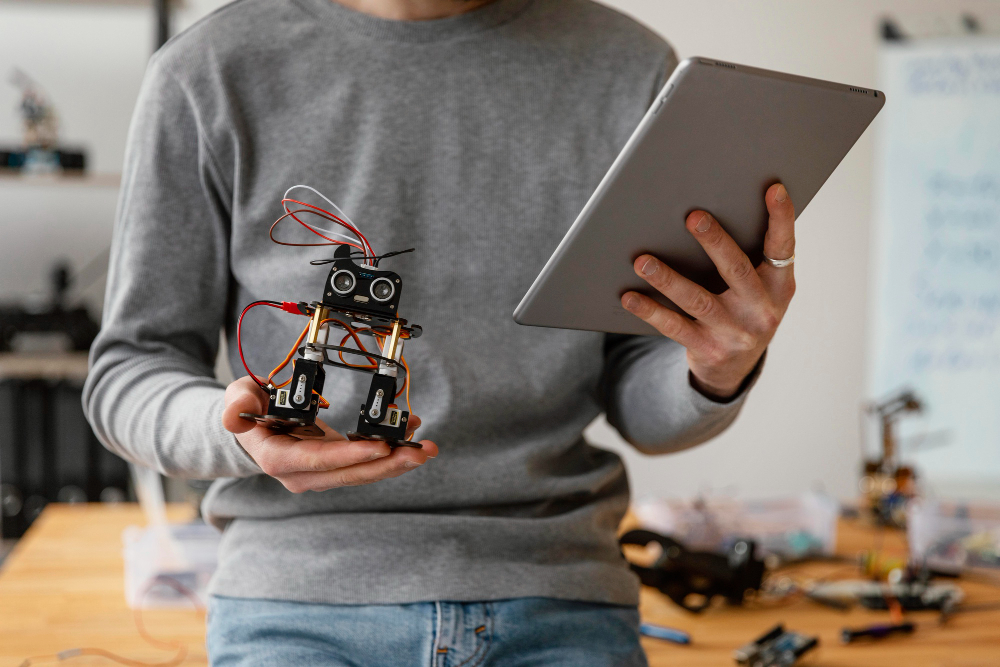
AI is transforming the art world by teaming up with human artists. This partnership is not just about using new technology; it’s about collaboration. Artists are now working alongside AI, using it to break free from traditional ways of creating art. This is leading to innovative and varied art forms that were once unimaginable.
Together, artists and AI are creating something truly unique. AI’s ability to quickly process large amounts of data offers artists new insights and inspiration. This collaboration is more about the process of creating art than the final piece. It allows artists to experiment with themes and stories they couldn’t tackle before, changing how we make and view art today.
In today’s world, where technology touches everything, AI’s role in art is a prime example of how machines can help us be more creative. This collaboration opens up new avenues for artists, letting them push the limits of their creativity. It’s an exciting time for art, with AI playing a significant role in its evolution.
Digital Tools Transformation
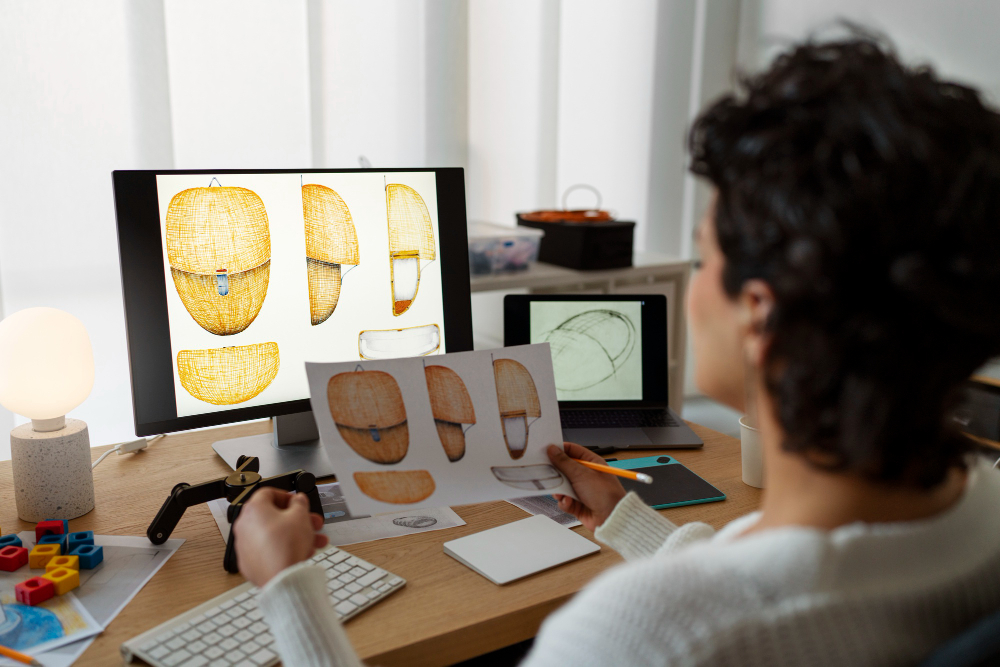
The world of digital art creation has seen a massive shift thanks to AI technologies such as Generative Adversarial Networks (GANs). These technologies have opened up new possibilities for creating art that looks real and is incredibly detailed. Artists can now push the limits of creativity and produce once unimaginable works.
Generative art has become a game-changer. Tools like DeepDream and GauGAN2 use AI to turn basic sketches into detailed, lifelike images. This innovation is changing the way artists think about and make their art. AI has also transformed art authentication. It can now accurately examine and confirm artworks’ authenticity, moving past the old, more manual methods.
The sale of an AI-created artwork at Christie’s in 2018 was a landmark event. It showed that AI-generated art is recognized and valued in art. Accessibility has been dramatically improved with apps like AI Painter. These apps allow anyone to create art, even without formal training, inviting more people to explore art creation.
These developments show that AI technology is improving artistic skills and making it easier for more people to make art. This opens the art world to a broader audience and changes our thoughts about art and creativity.
Machine Learning in Art
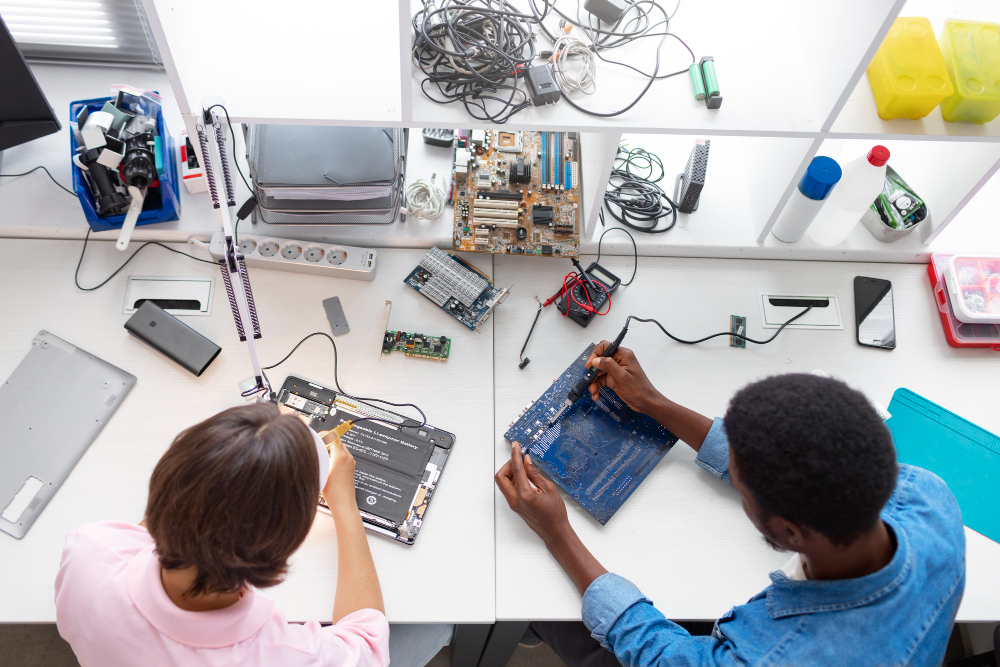
Machine learning transforms the art world using algorithms to create various art styles. These AI systems use complex networks to understand and identify patterns in large art datasets. They can make unique art that blends traditional and modern looks. By learning from different art styles, AI helps create new types of art that challenge what we usually see.
These technologies don’t just copy old art; they can also imitate famous artists’ styles. This shows how AI can connect technological advances with artistic creativity. AI systems improve as they get more data, improving their art. This makes AI art always fresh, reflecting growing knowledge of art styles and ways to express creatively.
Ethical Considerations
With the growing use of AI in art creation, ethical issues are becoming more prominent. These include questions about who owns AI-created art, how it affects human artists, and the careful handling of privacy and data. Such concerns push us to rethink art and ownership rules, ensuring artists get proper credit and payment. Also, there’s a need to watch out for biases that AI might carry over, ensuring art remains diverse and fair.
As AI plays a more significant role in making art, we face new challenges. Legal and ethical standards need updating to reflect this new reality, focusing on fairness for all involved. Addressing how AI might replicate existing biases is critical, emphasizing the importance of inclusive representation in AI-made art.
AI Authorship Rights
AI authorship rights stand out as a critical issue in the ever-changing world of art creation. This makes us rethink who should own and get credit for AI-created art. Should it be the AI developer, the person using the AI, or could it be the AI itself?
Determining the rightful owner and how to credit AI-made art pieces appropriately presents a real challenge. Moreover, our current laws around intellectual property need to be updated to fit these new circumstances better. It’s also necessary to create rules that somewhat acknowledge the inputs of both humans and AI in the creation process.
Understanding these issues is vital to encouraging innovation and ensuring creators are somewhat acknowledged and compensated. The conversation around this topic is growing louder, making it clear that legal systems must evolve to address the complex realities of AI in art creation.
Impact on Human Artists
The use of Artificial Intelligence (AI) in creating art is sparking debates about its effect on human artists. This is mainly concerning the uniqueness and realness of art. With AI’s help, art is now crossing new boundaries of creativity, making it hard to distinguish human creations from those made by machines. This confusion over who the actual creator is brings up serious questions.
Human artists might find their place in the art world shrinking because of the increasing use of AI in making art. Setting ethical limits and ensuring people’s creative work is recognized is crucial. Also, when human artists work with AI, it’s essential to have clear rules to keep the art’s integrity. This helps to ensure that human artists’ valuable contributions are not lost as AI technology moves forward.
Privacy and Data Use
Privacy concerns and data handling have become crucial when integrating AI into art creation. The blend of creativity and technology highlights a few key points:
- Strict privacy rules are essential to protect user data and stop the misuse of personal information. It’s about keeping personal details safe and avoiding any unauthorized use.
- Keeping user information confidential is necessary, involving safe data storage and careful data management. This ensures that personal details are not exposed or mishandled.
- Having clear policies on how user data is used in making art. This transparency helps users understand and feel comfortable with the process.
- Gaining informed consent from users builds trust. It respects their privacy and acknowledges their control over their personal information.
Focusing on these ethical points is vital for artists and companies aiming to innovate in art-making with AI. They help maintain trust and integrity, ensuring the technology benefits everyone involved.
AI in Art Authentication
Art authentication has been revolutionized with the help of AI technology. This tech allows us to examine features like brushstrokes and preciselyartworks’ patterns to spot fakes precisely. What sets AI apart is its ability to pick up on details that humans might miss, making it a powerful tool for verifying art’s authenticity.
One of the most incredible things about using AI for art checking is that it can work magic through a photo. This means we don’t always need to see the piece in person to know if it’s real or not. It’s a game-changer, making the whole process faster and more accessible. Before, experts relied on methods that needed them to inspect the artwork, which could be time-consuming physically.
A standout example of this tech at work is from a Swiss company called Art Recognition. Their AI can spot forgeries with more than 90% accuracy. This high success rate shows how AI can get into the nitty-gritty of what makes an art piece genuine, offering a new insight into the fight against art fraud.
Creativity Unleashed
Introducing AI technology in art has opened up new horizons for creativity. Artists can now use tools like Generative Adversarial Networks (GANs) and platforms like DALL-E and Artbreeder to craft artworks that blend human creativity with machine intelligence. This combination pushes the boundaries of what’s possible in art, creating a new phase of experimentation and innovation.
It’s a game-changer for how art is imagined and brought to life, ushering in the art community’s fresh wave of creativity and expression.
Enhancing Creative Processes
AI technology has become a key player in art creation, smoothing the creative process and opening up new possibilities for creativity. With several key benefits, this tech is changing how artists and brands think about making art and content.
AI tools can take over routine parts of making content. This means artists can focus more on the creative side, making their work better and fitting search engine needs. For example, Generative AI tools speed up content creation without sacrificing quality.
AI like GPT-4 can write text that feels human for better brand messages. This helps in crafting stories and messages that resonate more with audiences. It’s like having a digital assistant who can talk to your customers.
When it comes to visuals, AI has us covered, too. Programs like DALL-E and Midjourney are game-changers, creating images that perfectly match a brand’s vibe. This makes producing modern, eye-catching photos more accessible than ever.
AI is also great for making unique content tailored to specific audiences. This personal touch can make a brand stand out, offering experiences that are not just unique but deeply engaging. It pushes what’s possible in art to new levels.
Boundless Artistic Possibilities
AI technology is changing the game for artists, making it easier for them to experiment and create. With tools like Generative Adversarial Networks (GANs) and neural networks, artists are breaking free from traditional art-making methods. These tools open new creative paths and allow artists to try novel styles and techniques. This blend of human ingenuity and machine learning transforms art-making into a collaborative effort that pushes the limits of what’s considered possible in art.
This combination of artists’ vision and AI’s analytical capabilities leads to groundbreaking works of art. Artists can now sift through massive amounts of data, spotting trends and applying complex algorithms. This ushers in an exciting period of innovative artistic expression. The main idea is that AI isn’t just a tool but a partner in the creative process, helping bring unique and forward-thinking art to life.
Future Artistic Landscapes
Advancements in AI technology are set to change the art world in exciting ways, offering new opportunities for collaboration between artists and artificial intelligence. This partnership is expected to lead to new forms of art that combine human creativity with the processing power of AI.
One exciting development is the creation of art experiences tailored to individual tastes, making art more accessible to everyone. This approach breaks down barriers to art engagement, inviting more people to enjoy and interact with art in ways that resonate personally with them.
Moreover, generative AI pushes creative boundaries further, providing artists with novel tools and approaches. This innovation allows for the creating of art that captures the intricate relationship between technology and human emotions, offering fresh perspectives and experiences.
Ethical considerations in AI art are becoming increasingly important to ensure that the integration of AI in art production is done with respect, transparency, and responsibility. Maintaining the authenticity of AI-generated art is vital, safeguarding its integrity for future generations.
These developments highlight the transformative potential of AI in the art world, promising a future where personalized experiences, innovative creations, and ethical practices come together in a vibrant and dynamic artistic environment.
Learning AI Art Techniques
Artists are now using algorithms and machine learning in new ways to create art. This method combines the complexity of neural networks with creative freedom, creating a unique blend of technology and art. It’s not just about learning how to use new software. It’s about understanding how these networks can interpret data to produce art that pushes beyond traditional boundaries.
Tools like Generative Adversarial Networks (GANs) and DeepDream are changing the game in art. GANs create a dynamic where two networks work against each other to produce images that can either replicate or go beyond what humans can create. DeepDream, meanwhile, takes artists on a journey through surreal and psychedelic visuals, showing the potential hidden within data processed by neural networks.
As artists get familiar with these AI art techniques, they’re not just enhancing their skills. They’re also pushing the boundaries of what’s considered possible in art. This blend of machine learning and artistic creativity is paving the way for a new era in art, making the exploration of new creative frontiers not just a possibility but a certainty.
Frequently Asked Questions
How Artificial Intelligence Is Revolutionizing?
- AI transforms art with novel algorithms.
- Ethical debates emerge from AI’s artistic influence.
- Creativity flourishes with AI’s collaborative potential.
How Is AI Going to Change Art?
- AI boosts artistic diversity, offering new inspiration.
- It introduces ethical debates in the art community.
- AI changes how artists share their work online.
Is Ai-Generated Art Going to Replace Artists?
- Artists bring unique emotions and creativity.
- The human touch in art can’t be replicated.
- The cultural impact of art remains human-centric.
How Has AI Influenced Art?
- AI collaborations inspire new art forms.
- Ethical questions emerge from machine creativity.
- Interactive art has grown in popularity.
Conclusion
The art world is undergoing a massive change with AI technology. Tools like GPT-4, DALL-E, and Midjourney are changing how artists work, making it easier for them to create new and unique pieces.
This collaboration between human creativity and machine intelligence is speeding up how art evolves. It’s also making art more personal for everyone.
As technology improves, we can expect art to become even more creative and efficient.
