

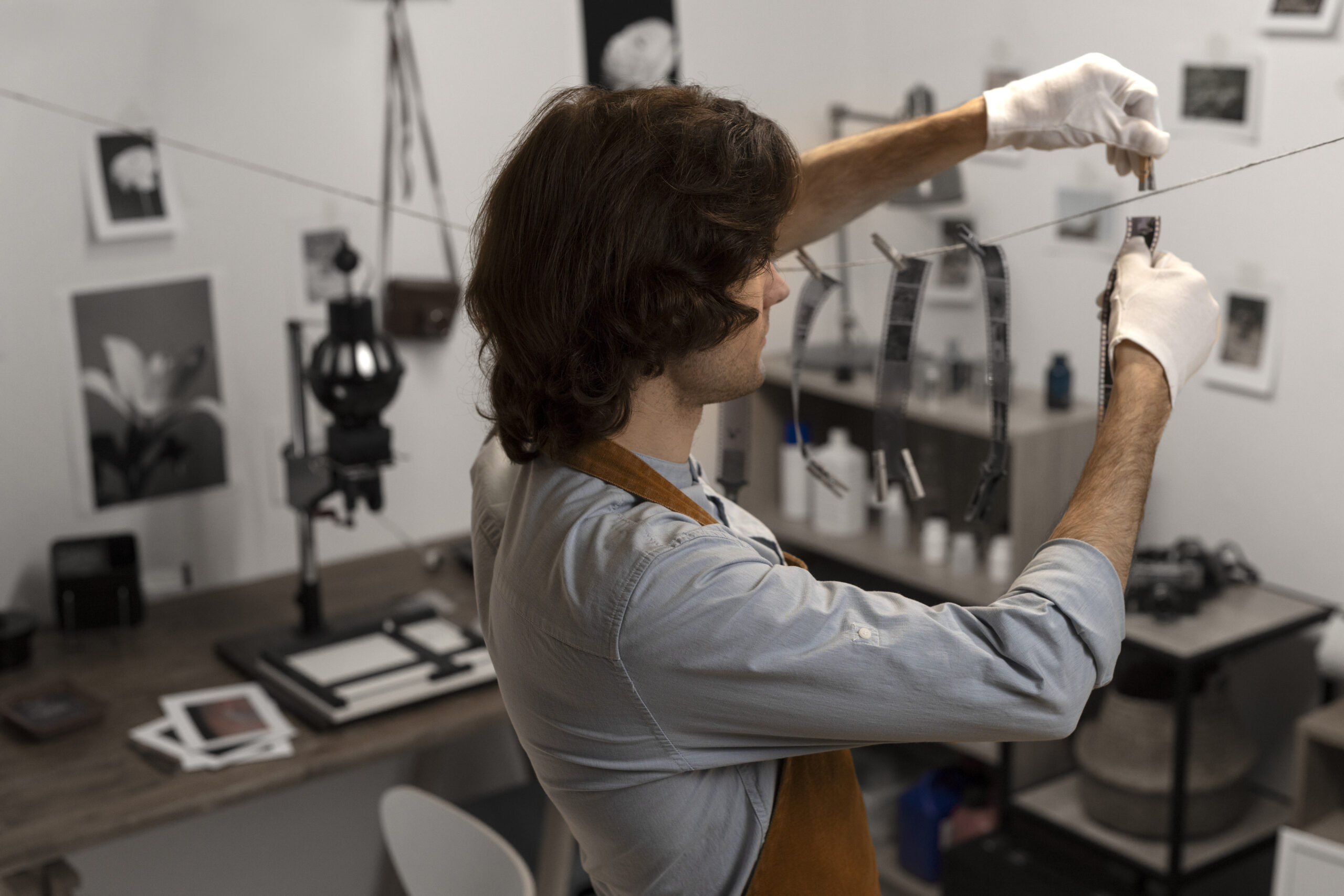
Classic Art Techniques: AI Insights
Artificial intelligence (AI) makes big waves in viewing classic art techniques. Tools like DALL-E 2 can now mimic the styles of famous artists, giving us new insights into their approach to brushwork, composition, and color theory. This opens up discussions about art creation and pushes us to think more about how AI can change art education and critique.
The big question is how much AI will change how we look at and learn about classic art. What does this mean for artists and teachers? AI brings a fresh perspective to art, showing us that technology can offer more than just new creation methods. It can also help us understand the past, making it a valuable tool for learning and discussion in the art community.
Key Takeaways
- AI simplifies learning about classic art.
- It offers new insights into art’s impact.
- Art education evolves with AI.
AI is transforming our approach to understanding classic art, making the study of brushstrokes, color schemes, and layouts more accessible. This technology opens fresh perspectives on art’s emotional and thematic elements, moving beyond traditional analysis methods. As a result, the way we teach and perceive art is undergoing significant change, highlighting the vast potential of AI in exploring artistic expression more deeply.
Decoding Brushwork With AI
Artificial Intelligence (AI) is revolutionizing our understanding of brushwork in famous paintings, making it easier to see the unique techniques used by artists like Van Gogh and Monet. With machine learning, AI can closely examine brushstrokes, helping us appreciate these artists’ distinct styles and methods.
AI’s analysis of brush patterns helps us spot the personal touches artists added to their paintings. This deep dive enriches our knowledge of their creative process and highlights how brushwork evolved. Through AI, we connect the dots between art history and the technical aspects of painting, offering a fresh view of classic art.
Ai’s Insight Into Composition

Using AI, we can now see how classic artworks are put together, focusing on how artists use composition to create a lasting impact. This technology breaks down the art into easier-to-understand components like symmetry, balance, and where the artist wants you to look first. It’s like having a magnifying glass that shows us the hidden secrets behind the art, making us appreciate the thought process of these artists even more.
AI doesn’t just stop at pointing out these elements. It further explains how artists strategically use lines to direct our attention or frame certain parts of their work to stand out. This blend of tech and art history throws new light on the careful decisions made by artists, revealing the depth behind each painting or sculpture.
| Composition Element | Insight Provided by AI |
|---|---|
| Symmetry | Creating balance and a sense of harmony |
| Balance | How visual elements distribute weight |
| Focal Points | Spots meant to catch your eye |
| Leading Lines | Lines that direct where you look |
| Framing | Using the art’s edges to focus on critical spots |
This AI-assisted look into classic art techniques opens up a new way of understanding art, combining technology and creativity. It deepens our appreciation for historical works and gives modern artists and historians fresh tools to explore visual art’s complex layers.
Color Theory Reimagined
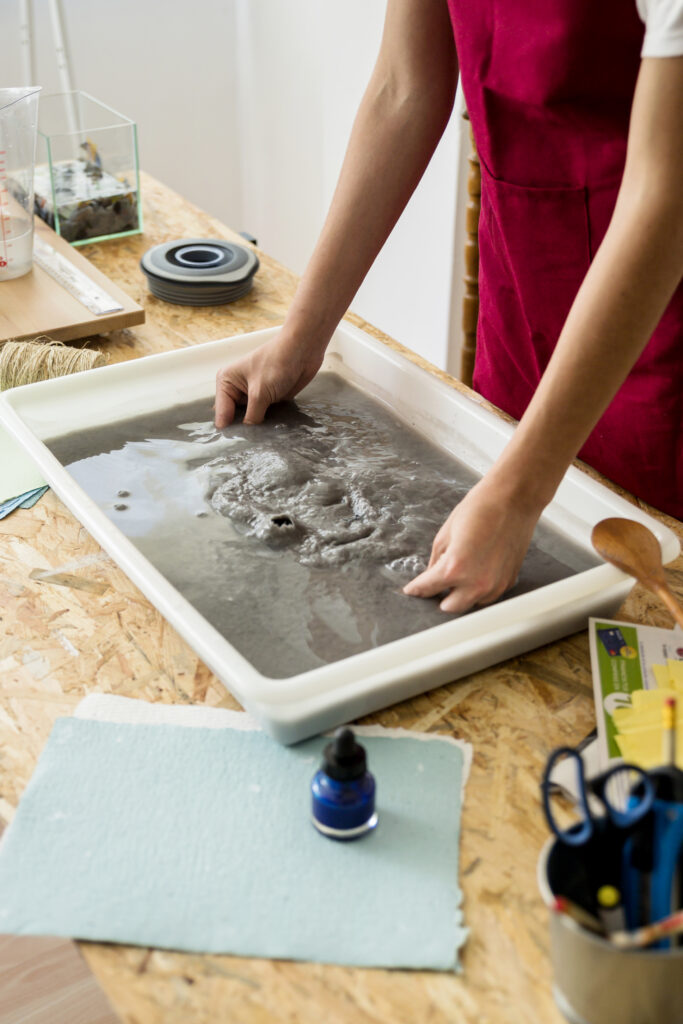
Exploring the colorful world of color theory with AI, we find new insights into traditional art techniques. This opens up unique ways for artists to express themselves. AI’s ability to analyze and offer new interpretations of color palettes from classic artworks brings a fresh take on color theory. This blend of technology and art breathes new life into old techniques, merging them with today’s artistic trends. It creates a mix of ancient beauty and innovation.
AI’s role in creating color variations inspired by historic art introduces a new angle on color harmonies and contrasts. This tech-driven view on color theory pushes artists to try new things, helping them understand how colors work together in a piece. Using AI tools that delve into historical color schemes, modern artists can find unique art paths, adding historical richness and a touch of innovation. In short, reinventing color theory through AI is a tribute to traditional art methods and a step toward new artistic discoveries and expressions.
The Geometry of Art Analyzed
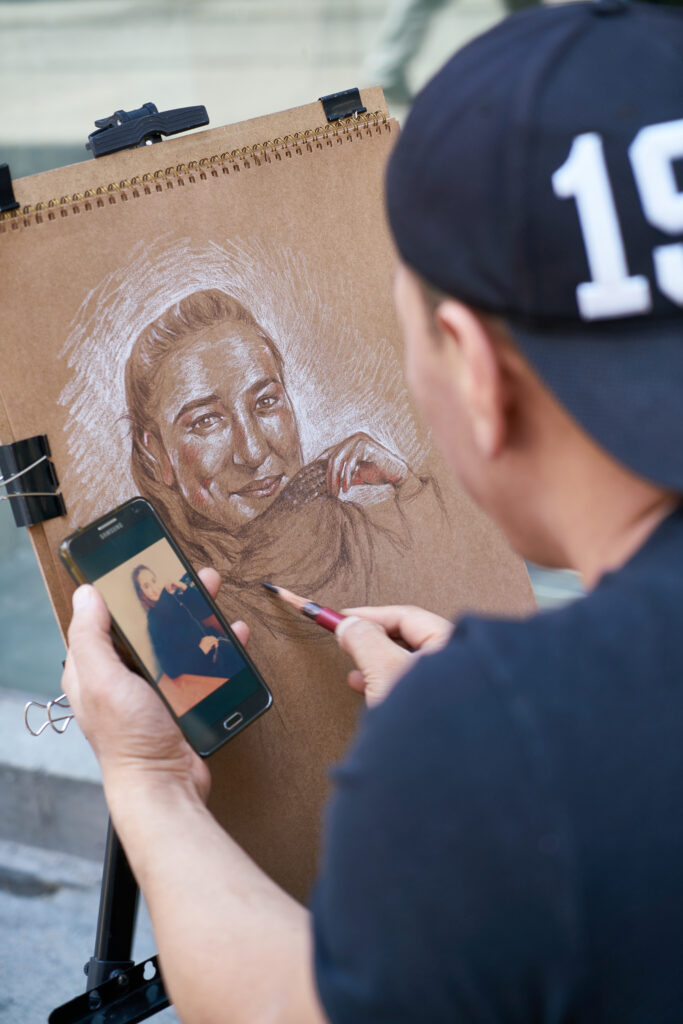
Exploring how technology intertwines with traditional art, we see how AI uncovers the geometric foundations in classic artworks. Artificial intelligence is cracking open the secret geometric codes artists have used for centuries. It’s like looking at art through a math lens, showing us the precise arrangements of shapes and lines.
This tech-driven method reveals the patterns and symmetry hidden in artworks, indicating how math has been a secret tool for beauty and balance. It’s fascinating how AI dissects art, showing us the connections between shapes and angles that our eyes might miss.
Moreover, understanding the geometric secrets in art through AI deepens our appreciation of artists’ skill in using math for creativity. This insight changes how we view art and highlights the artists’ profound grasp of mathematics in their work.
Textural Analysis Through AI
The use of AI in examining textures found in historical art transforms how we understand the creativity behind these masterpieces. This technology allows us to see artists’ materials and methods indifferently. It highlights patterns and details in paintings that were once invisible to us. This insight deepens our art appreciation and connects fields like technology, art history, and conservation efforts.
Through this, we’re not just looking at art but uncovering the stories and techniques behind each brushstroke. It showcases the power of modern technology to add depth to our understanding of historical creativity. By integrating AI with art study, we’re opening doors to discovering the nuances that make classic artworks genuinely remarkable.
AI-Driven Texture Recognition
The introduction of artificial intelligence in studying art has changed how we see the textures in classic artworks. It helps us better understand the techniques and materials used by artists. AI in art analysis looks closely at the various textures in paintings, sculptures, and more.
This method looks at brushstrokes, materials, and surface textures. It gives us insights into the strategies and creative processes of historical artists. Understanding these textures helps art historians and researchers understand famous artists’ stylistic choices and skills.
This improves our understanding and appreciation of traditional art techniques and their development.
Patterns in Historical Art
Building on texture recognition, we now look at how AI helps us understand patterns in historical art. This technology digs into the details of art patterns, showing us the techniques and materials used by artists long ago. AI analyses of art patterns give us a close look at classic artworks’ brush strokes, color mixing, and surface textures. This deep dive into art textures offers a fresh look at the creativity and skill in these pieces, giving us a new appreciation for art history.
Using machine learning, AI takes apart the complex patterns in historical art. This process reveals artists’ subtle methods and materials, giving us insight into how artistic techniques have changed. By looking closely at these patterns, we better understand the artistry and innovation in classic artworks. This enriches our knowledge of art history and helps us see the genius behind these creations.
Enhancing Artistic Understanding
We gain a deeper insight into classic art techniques through artificial intelligence, including the subtle details in historical masterpieces. AI’s texture analysis sheds light on an artist’s choice of materials, brushwork, and the artistic norms of their time. This blend of technology and art history brings a new dimension to our appreciation of classic artworks.
| Aspect of Analysis | Contribution of AI |
|---|---|
| Material Insights | Shows what materials were used and how |
| Artist’s Technique | Pinpoints an artist’s unique style and brushwork |
| Historical Context | It helps understand the artistic methods of the period |
| Symbolism & Meaning | Reveals deeper meanings through texture |
AI turns the study of traditional art techniques into a thorough investigation, helping us admire the creativity and innovation of artists from the past.
This approach not only makes art more accessible but also encourages us to see the genius behind each stroke and texture. It’s a reminder of how technology can bring us closer to the beauty and complexity of historical art.
Light and Shadow Unveiled
In classic art, AI tools have revealed the intricate dance between light and shadow, showing how crucial they are for adding depth and emotion to paintings. Advanced AI technology lets us see how legendary artists skillfully used light and shadow, uncovering secrets of old masterpieces. This bridge between ancient art techniques and modern tech gives us a new way to see these classic methods.
AI technology can spot the fine details of how light and shadow are used in famous artworks, helping us appreciate the artist’s skill more. AI algorithms show how masters like Caravaggio were experts at using light and shadow, giving us a detailed breakdown of their methods. Thanks to AI, we can now understand the careful choices made by these artists to use light and shadow to create depth and impact in their work. Studying these techniques with AI teaches us the skill behind famous paintings, providing learning opportunities for artists and art lovers alike.
This AI-assisted dive into the world of light and shadow uncovers the key elements that make classic art remain powerful over time, celebrating the lasting impact of these works.
Perspective and Proportion Deciphered
Using AI tools to study the interplay of light and shadow in classic artworks has led us to a new frontier: examining perspective and proportion. These technologies bring a fresh lens to understanding how artists of the past achieved depth and realism through meticulous composition.
AI analysis sheds light on the techniques for creating balance and realism, showing the blend of art and science in classic works. This study lets us see the careful planning artists put into manipulating space, making their scenes come alive.
It’s not just about offering data; these AI insights make learning about art history more engaging, breaking down complex artistic concepts into something easier to grasp. This makes us value the old masters even more, highlighting the vital role of technology in enriching our understanding of art.
Movement and Emotion Explored
Investigating the intricate dance between movement and emotion, AI has shed light on how traditional artists skillfully used brush strokes and composition to animate their paintings. AI in art has proven to be a critical asset for diving deep into the subtle methods that have intrigued viewers for ages. By closely analyzing, AI brings to light the complex bond between visual aspects and the emotional environments they create, offering an innovative viewpoint on artistic works that stand the test of time.
Pattern Identification: AI spots patterns in how movement and emotion are portrayed, showing that while techniques may change over time, the underlying intentions across different periods remain consistent.
Emotional Nuances: Through examining gentle visual hints, AI offers insight into the emotional depths of classical art pieces, showing how artists used color, light, and shadow to express feelings.
Analyzing Brushwork: A deep look at brush strokes with AI reveals how artists played with texture and movement to inject a sense of life into their paintings.
The Role of Color: AI’s deep dive into color theory in traditional art reveals how artists carefully chose colors to trigger specific emotional reactions, highlighting the thoughtful decisions behind each painting.
AI’s analytical approach has unraveled the complex blend of movement and emotion in art, providing a deeper comprehension of the artistic endeavors that continue to influence our cultural legacy.
The Evolution of Artistic Styles
Studying art evolution with AI offers an intriguing look at how art styles have changed over time, shaped by society and new technologies. AI-created images now play a crucial role for researchers, shedding light on the transitions between art periods. This process helps us understand the impact of significant events and technological advances on art.
In the 18th century, art moved from Baroque to Rococo. The 19th century saw a shift from Realism to Impressionism. World War marked the early 20th century I’s influence on Dadaism and Surrealism. I highlighted differences between Italian and Northern Renaissance art in the Renaissance period.
AI analysis helps identify trends in these shifts, such as Picasso’s move from Cubism to Surrealism. This deep dive into art’s stylistic and thematic changes offers insights into the forces driving these evolutions. This approach deepens our understanding of art history and encourages modern artists to merge old techniques with new ideas.
AI and the Future of Art Education
The use of AI in art education marks a significant change, offering new ways for students to learn and apply art techniques digitally. This technology improves creative abilities by allowing hands-on practice and introducing a new partnership with AI. This partnership opens up fresh avenues for creating and understanding art. As a result, art education is becoming more immersive and tailored, moving beyond traditional teaching methods.
Using AI, students can now experiment with art in previously unimaginable ways, making the learning process more engaging and effective. This shift is crucial because it helps students adapt to the modern art world, which increasingly includes digital elements.
AI-Driven Learning Methods
In dog training, AI-driven techniques transform how owners teach and interact with dog breeds. These advanced methods bring a fresh perspective and new skills, improving the training experience.
Customized Guidance is a cornerstone of AI in dog training, offering advice tailored to each dog’s abilities and progress. This makes the learning process more efficient and effective. With Simplified Steps, complex training commands are broken down into more manageable tasks, making it more straightforward for dogs to learn and follow.
Through Virtual Simulations, dogs can virtually engage with various scenarios, from basic obedience to complex tricks, providing a hands-on approach to training. Immediate Feedback from AI tools offers real-time evaluations, giving owners and trainers quick insights into areas of improvement.
This approach sharpens a dog’s training and deepens the bond between the dog and its owner, highlighting the importance of patience and consistency.
Enhancing Creative Skills
Artificial intelligence is changing the way we learn about art. It’s making it easier to understand how famous artists create their masterpieces. Now, students and teachers can get up close with art techniques from history right from their digital devices. This mix of old and new ways of learning is exciting. It lets people experiment with different art styles and learn about color theory and brush techniques in a new way.
Using AI, art education has become more dynamic. It connects the dots between how art was made in the past and how we can create today. This approach makes learning about art more engaging and opens up new creative possibilities. As AI technology improves, it will continue to be a crucial part of learning and teaching art. It helps us see the creative process in a new light and encourages everyone to try making something beautiful.
Artistic Collaboration With AI
Pairing up with AI is changing how we think about art education, bringing new tools for learning and creating art. The technology behind AI, like neural networks, is making it possible to push the boundaries of what we can do in art. Let’s break it down:
AI is making art education more interactive, letting students and teachers work together or independently to try out established art techniques in new ways. It’s like having a digital partner who can take old-school art methods and give them a fresh twist through digital images. This makes learning about art more engaging and fun.
With neural networks, AI acts as a source of inspiration, blending the rich history of art with the fresh vibes of today’s creativity. It’s not just about learning; it’s about creating something new and unheard of. Students get to mix the old with the new, crafting art that stands out because it bridges traditional and digital art forms.
In a nutshell, AI in art education isn’t just teaching students about art; it’s opening doors to innovative ways of creating. This partnership is about experimenting with what art can be, encouraging students to think outside the box, and producing art as unique as they are.
Frequently Asked Questions
How Does AI Help With Art?
- AI patterns to mimic various art styles.
- Sparks creativity with new visual concepts.
- Boosts artists’ ability for unique creations.
How Is Ai-Generated Art Different From Traditional Art?
- AI art uses algorithms, not brushes.
- Creativity now stems from code, not just human minds.
- Challenges traditional notions of artist and artwork.
How Does AI Impact Art Design and Culture?
- AI makes art more accessible to everyone.
- It blends technology with tradition in creativity.
- Cultural authenticity faces new questions with AI art.
Can AI Create Original Art?
- AI crafts new art using learned patterns.
- Ethical issues arise around ownership and creativity.
- The digital age challenges traditional views on artistic creation.
Conclusion
Artificial intelligence is changing how we learn about and appreciate classic art techniques. It breaks down the complexity of brushstrokes, layout, colors, and more, giving us a real sense of what makes art so powerful. This tech isn’t just adding to our knowledge; it’s pushing the limits of how we analyze art. As AI improves, it’s opening up new ways to dig into art’s themes, styles, and the emotions they stir.
Using AI to study art does more than make us smarter about history. It’s a fresh angle on understanding the beauty and skill behind timeless works. This approach is shaking up art education and how we think about art analysis. With AI, we’re just scratching the surface of what’s possible in exploring the depth and breadth of artistic expression.
