

Defining Authorship in AI Art
Who owns the rights to AI-generated visual art? This question is making waves as we push the limits of copyright laws into new areas.
The debate over authorship is heating up in the art world created by artificial intelligence. Is the credit due to the person who wrote the AI’s code, the AI itself, or who got the ball rolling on the creative project?
This discussion not only shakes up our traditional views on creativity and ownership but also encourages us to look closely at how human creativity interacts with AI. It sets the stage for meaningful conversations about the future of making art.
Key Takeaways
Ownership of AI-generated visual art is a hot topic.
- Artificial intelligence blurs traditional ownership lines.
- The debate focuses on the rights of the coder, AI, or project initiator.
- Art and technology collaboration reshapes creative ownership.
Historical Copyright Context
Exploring the roots of copyright law, particularly with the Statute of Anne from England in 1710, helps us understand the complex topic of authorship in AI-generated visual art today. This early law was a big step in recognizing the hard work of authors and creators, leading the way for copyright laws worldwide, including the US Copyright Act. But as we move into the digital era, the idea of who the author is, especially for AI-generated visual art, is changing dramatically.
The US Copyright Act covers a lot, but it doesn’t clearly say who the author is when it comes to works made not just by people but with artificial intelligence, too. This grey area means we must look closely at what makes a work copyrightable, including whether it’s fixed in a tangible medium and protected under law, by considering the history and changing legal standards. It’s essential to grasp the history of copyright law to navigate this new landscape, where authorship includes human creativity and AI innovation.
Core Copyright Requirements
When discussing the overlap of copyright law and AI-generated images, it’s crucial to understand two key concepts: fixation and originality. These are essential for copyright protection, pushing us to rethink what it means to be an author in today’s world. The laws we have, created with human artists in mind, now struggle to fit the unique characteristics of art made by AI. This leads to important questions about whether AI creations can be copyrighted and how much human involvement is needed for these works to be considered original.
| Requirement | Relation to AI-Created Images |
|---|---|
| Fixation | Must be in a physical form for protection |
| Originality | It needs some level of creativity, not just automated processes |
| Authorship | Traditionally, it involves human effort or oversight |
| Creativity | Human creativity in AI operations is crucial |
| Eligibility | Must fulfill certain conditions to be considered for copyright |
The main issue is whether art created by AI, which doesn’t involve human creativity, can meet these copyright standards. This sparks a discussion on redefining what authorship means, emphasizing the importance of human creativity and oversight in creating AI art. Understanding these concepts is critical for anyone trying to navigate the complex world of copyrights in the era of digital art.
Philosophical Perspectives on Authorship
The debate around authorship in creating AI-generated visual art reveals a fascinating clash between old and new. Historically, thinkers such as Locke, Kant, and Hegel linked authorship to personal effort, identity, and sharing ideas. However, the rise of AI art challenges these ideas by introducing a non-human element into the creative process. This shift raises essential questions about where creative ideas come from and who owns a piece of art when an AI is involved.
US copyright law is tricky, trying to figure out the difference between an author and an inventor in a world where AI plays a significant role in creation. The discussions started by philosophers like Barthes and Foucault add another layer, making us rethink what it means to be an author when AI is involved. These debates highlight why copyright laws must change to deal with AI-created arty properly. Figuring out who the author is now involves legal and philosophical thinking, focusing on creativity, effort, and control in a world where machines, not humans, are making art.
The Role of AI Developers
In AI-generated visual art, the role of AI developers goes far beyond just the technical side. They are responsible for the aesthetic qualities of the art and tackle the ethical issues that come with creating with code. This means they’re crucial in deciding how art looks and feels and ensuring it’s made responsibly.
AI developers are critical players in blending technology with creativity. Their work in developing algorithms and training AI models shapes what’s possible in visual art today. This involvement puts them at the heart of discussions about the ethical use of technology in art. It highlights their importance in navigating these new waters, ensuring that art and ethics grow together as we move forward.
Developer Creative Input
In creating visual art with the help of technology, those who build and improve the software are crucial. They’re not just behind the scenes; they’re mixing their tech skills with a dash of creativity. These creators are critical in steering the tech to make unique and varied art by picking out specific data and setting limits.
Their choices have a big say in who gets credit for the art. Setting innovative limits can spark originality in the artwork made by machines. Picking the correct data is critical to ensuring the art is diverse and full of life.
This balanced approach of ethics, analysis, and looking forward highlights how crucial these tech-savvy creators are in tech-made art.
Coding Ethics and Art
Coders must include ethical guidelines when creating visual art with AI in their programming. This ensures they respect creativity while adhering to legal standards. Coders play a crucial role in balancing innovation with ethical considerations. They safeguard intellectual property and avoid stepping on others’ creative toes. Their work is essential in setting clear rules for what counts as original art in the age of AI.
| Aspect | Importance | Impact |
|---|---|---|
| Ethical Guidelines | Central | Drives responsible AI art creation |
| Intellectual Property | Critical | Stops copyright issues |
| Originality | Fundamental | Guarantees the need for human creativity |
Incorporating these ethical principles, coders are shaping a future where AI art thrives responsibly. They ensure that creativity flourishes within the confines of fairness and legal respect.
AI as Collaborative Partner
AI developers are crucial in merging human creativity with tech advances in AI-driven visual art. They craft and fine-tune algorithms such as Generative Adversarial Networks (GANs), creating a solid tech foundation artists rely on to bring AI into their artwork. This partnership is critical in exploring new artistic possibilities and mixing creative ideas with algorithm accuracy to create unique art pieces.
AI developers’ primary tasks include creating algorithms that meet artistic needs, offering tech support to artists, and enabling the discovery of new ways to create art using AI. This teamwork points toward a future where combining artistic flair and precise algorithms opens up new paths for art.
AI as a Potential Author
The role of AI in creating visual art has sparked a debate on whether current copyright laws need to change. According to the US Copyright Office, as seen in the Naruto case, a human must create art to be copyrighted. This rule leaves AI-created art without copyright protection, leading to a tricky situation for such artworks.
Legal recognition is given only to human authors, not to AI. This means that while humans can copyright their creations, AI cannot. The table below shows how the law treats humans and AI creators of visual art.
| Aspect | Human Author | AI as Potential Author |
|---|---|---|
| Legal Recognition | Yes | No |
| Creative Input | Required | Not recognized |
| Copyright Eligibility | Granted | Not applicable |
This comparison shows the need for legal systems to adapt to new technologies. The conversation about AI’s role in art isn’t just about law; it’s about recognizing the changing ways art is made. There is a clear need for laws that understand and reflect the reality of AI’s creative potential. To include AI-created art under copyright protection, we must rethink what it means to be an author.
The User’s Creative Input
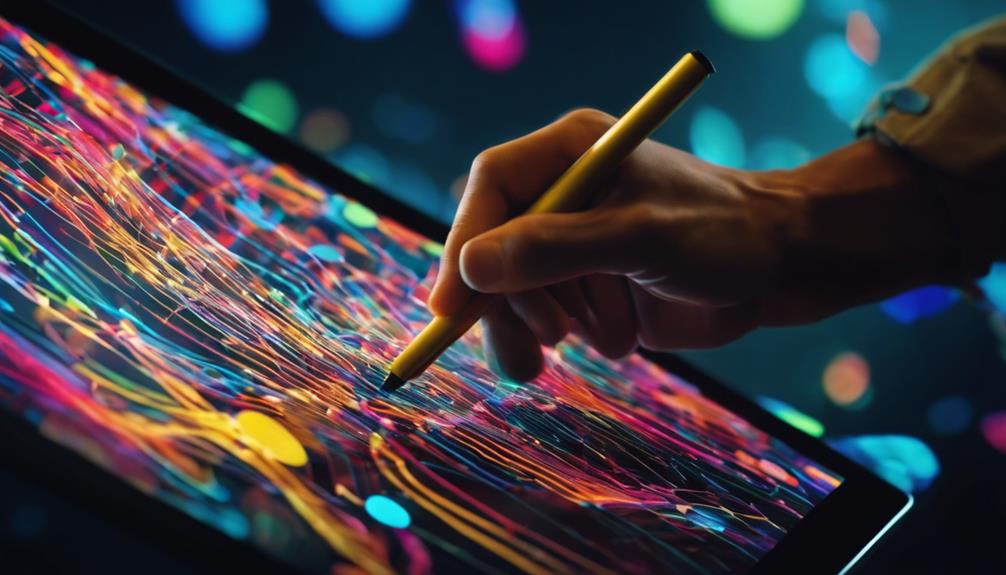
The user’s role in creating AI-generated visual art reshapes our understanding of authorship. As technology and creativity merge, we’re entering a new era where the lines of creative ownership are blurred. Users are no longer just onlookers; they shape the artwork through their decisions and inputs.
This involvement can take various forms. Users might start by giving the AI simple sketches or ideas to work with. They can also specify the artistic style or theme they’re aiming for. Some even dive into platforms that allow for a direct hand in crafting art alongside AI tools.
These actions shift from traditional views on creating art to a collaborative process between humans and machines. The creative control users hold steers the direction of the final piece. This collaboration pushes us to reconsider established ideas about who or what can be considered an artist.
As we progress, we must consider how laws and ethical guidelines will evolve to fit the intricate relationship between AI and human creativity in art. This discussion is not just about technology or legality; it’s about how we value and define creativity in the digital age.
Legal Challenges and Cases
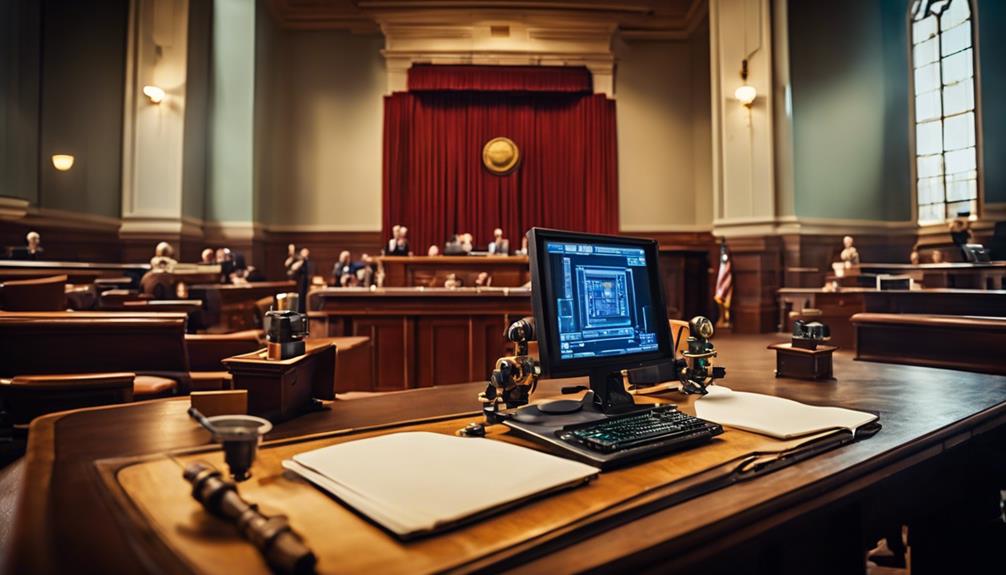
As we dive into the world of AI-generated visual art, it’s vital to look at the legal challenges that have come up. One famous example is the Naruto Case, which questioned if a non-human can own copyright in artwork. This case clarified that our current copyright laws, which require a human author, weren’t designed with AI in mind. This creates a big challenge for recognizing AI as creators of art.
The US Copyright Office has made it clear that art needs to have human creativity behind it to be copyrighted. This shows how much we value human creativity in making art. The legal battles with AI platforms like Stable Diffusion and Midjourney add another layer to the discussion. They bring up concerns about copyright infringement and the use of images derived from others’ work. These cases are at the heart of a considerable debate on balancing the new capabilities of AI with the old copyright and intellectual property rules. Understanding the future of authorship in AI-generated art means looking closely at the legal and ethical sides.
Innovative Authorship Solutions
New ways to recognize and protect creative work are essential in the fast-changing world of AI-created visual art. Such methods include collaborative attribution models, legal framework updates, and Creative Commons changes. These strategies help us understand how human creativity and AI work together. They make sure that copyright laws consider the teamwork behind these creations. As technology moves forward, our laws and practices must keep up. This will create a space where both creativity and innovation thrive.
Legal structures and copyright rules need to adapt to the latest tech trends. This ensures that artists and creators have their rights protected. It’s all about balancing the rights of individuals with the opportunities new technologies bring. As we combine human and AI efforts in art, transparent and fair recognition of all contributions becomes more critical.
Collaborative Attribution Models
Collaborative attribution models are changing the game regarding recognizing contributions in AI-created visual art. These models understand that creating art today involves human creativity, machine learning, and various inputs. This approach ensures that everyone involved, from the developers to the users, gets credit for their work. It makes the process of creating art a shared venture.
These models treat developers, AI tools, and users as partners in the creative journey. They tackle the tricky question of who gets credit in AI-created art. This is vital because it acknowledges the complex dance between humans and machines in crafting something new.
Such forward-thinking methods of recognizing contributions set the stage for a more inclusive understanding of authorship. They adapt to the dynamic nature of digital art, ensuring that all voices and efforts are honored. This approach opens up a world where art creation is seen as a collective effort, celebrating human and technological inputs.
Legal Framework Adaptations
As the world of digital art continues to evolve, so does the need for legal frameworks to keep pace. The US Copyright Office has been proactive in updating its guidelines, especially for art created with the help of artificial intelligence. It’s clear that for a piece of AI-created visual art to be eligible for copyright, a significant human touch must be involved. This approach ensures that artists who use AI as a tool in their creative process can still claim ownership of their work.
In 2024, the Copyright Office took another step forward by holding public discussions. These were aimed at gathering insights on how copyright laws can better reflect the growing influence of AI in art creation. This move highlights an increasing understanding of the complexities surrounding authorship in the digital era. It’s a sign that the rights of AI creators are being taken seriously, ensuring they receive the protection they deserve.
Creative Commons Evolution
The evolution of Creative Commons licenses marks a significant shift towards finding innovative solutions for authors in the digital age. These licenses make it easier for authors to clearly state how others can use, share, and adapt their digital content. This evolution is crucial as it strikes a balance between making content freely accessible and protecting the rights of the creators. This balance encourages more sharing and collaboration.
Creative Commons licenses allow authors to set specific terms, such as requiring others to give credit, limiting use to non-commercial purposes, and ensuring that any adaptations are shared under the same terms. This adaptability is essential for shared and modified online work, promoting a culture of open access. This openness is crucial in driving innovation by making more resources available to everyone.
Thus, Creative Commons licenses are pivotal in managing digital content ethically and with a view towards the future. They ensure that the digital world remains a space where freedom and responsibility coexist, promoting innovation and respecting creators’ rights.
The Future of AI in Art
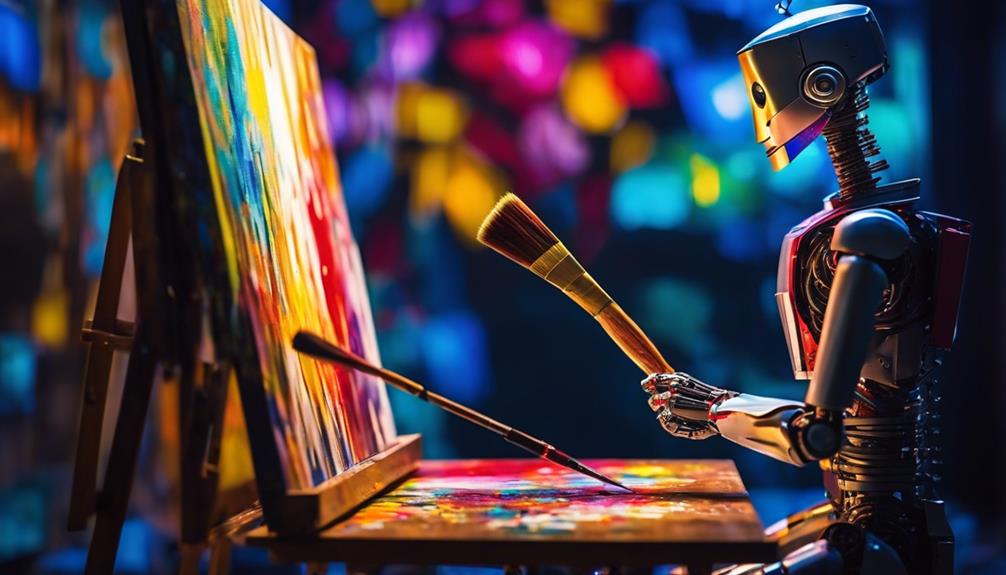
The future of AI in art is at a critical point where innovation meets ethical issues. This mix promises to change how we think about creativity and raises significant questions about who really “creates” art. AI tools like DALL·E 2 and Stable Diffusion are helping artists create things we’ve never seen before, pushing the limits of what we thought was possible. However, this new territory comes with its own set of problems.
| Challenge | Opportunity |
|---|---|
| Who created it? | New kinds of art |
| Who owns it? | More ways to be creative |
| Legal issues | Working together with AI. |
Using AI to make art changes our ideas about who the artist is, who owns the art, and how we protect creative works. These changes aren’t just technical; they’re about our values, making us rethink what it means to be an artist today. As AI-made art becomes more common, it sparks debates about creativity’s limits and whether machines can have rights. The evolution of AI in art is a time of significant changes, challenging old ideas while starting new kinds of creative partnerships between people and machines.
In short, blending AI into art creation is not merely expanding the toolbox for artists but fundamentally altering the landscape of creative rights and authorship. It’s a moment ripe with potential for new forms of expression and collaboration, yet it also demands careful navigation of the legal and ethical terrain accompanying such profound shifts.
Ethical Considerations
The blend of artificial intelligence and creating visual art brings up serious ethical questions. These include issues around who gets credit, who owns the art, and how we protect the rights of creators.
It’s essential to figure out how to fairly recognize the humans behind the art and the technology that helps create it. Crafting transparent and fair rules to guide this new realm of art is crucial for its ethical growth and respect for all involved.
Moral Rights Issues
In AI-generated visual art, issues about moral rights, such as giving credit and maintaining the original essence of artworks, are causing quite a stir. These issues challenge our understanding of who the creator is and who owns a piece of art. Finding a middle ground that respects both human creativity and AI’s contributions is essential.
We must focus on key points to deal with these ethical dilemmas. Transparency in how AI art is made should be a priority. It’s also crucial to safeguard the unique expression of human artists. Recognizing the joint effort of humans and AI in creating art is another essential step.
Setting up clear moral guidelines is more important than ever as we wade through these ethical waters. This will help steer us towards a future where the blend of human creativity and AI adds to our art world without ignoring moral rights or belittling the value of human creation.
Attribution and Ownership
Understanding the ethical landscape of AI-generated visual art involves a deep look into how we handle the concept of ownership and attribution. When art is made with the help of AI, it blurs the lines between who the actual artist is – the human behind the machine or the machine itself. This situation presents a challenge for current laws, which aren’t quite ready to tackle the issue, highlighting the urgent need for updated solutions that honor human ingenuity and technology’s role.
Intellectual Property rights are at the forefront, requiring a delicate balance between the rights of developers, the AI, and those who use the final product. Authorship brings another layer of complexity, demanding clarity on whether the human or AI should be considered the creator. Then, there’s the question of ownership – who owns an AI-made art piece? Finally, ethical dilemmas arise when considering the contributions of human creativity versus that of AI.
There must be ongoing conversations among artists, tech experts, and legal professionals to tackle these issues. Together, they can develop guidelines that make sense in the context of AI and visual art, ensuring fair practices that recognize all contributions to the creative process.
Frequently Asked Questions
What Is Authorship in Art?
- Art’s authorship is its creative soul and intent.
- It intertwines with copyright and moral rights.
- Sparks debate on collaborative art’s impact and value.
Do I Own My Ai-Generated Art?
- Ownership of AI art involves legal and ethical issues.
- Creator responsibility and user input shape art’s value.
- Intellectual property disputes impact AI art’s market presence.
What Is the Author’s Meaning in Visual Arts?
- Visual arts blend creativity and personal vision.
- Artists use style to tell stories and express ideas.
- Works often comment on society through beauty.
Who Is the Author of AI Art?
- AI art raises questions about creator rights.
- The line between human and machine creativity blurs.
- Copyright laws struggle to adapt to AI contributions.
AI art blends technology and creativity, challenging our views on authorship. The debate centers on whether humans or machines hold creative rights. Copyright laws must evolve as technology evolves, ensuring fair recognition and protection for all involved in the creative process.
