
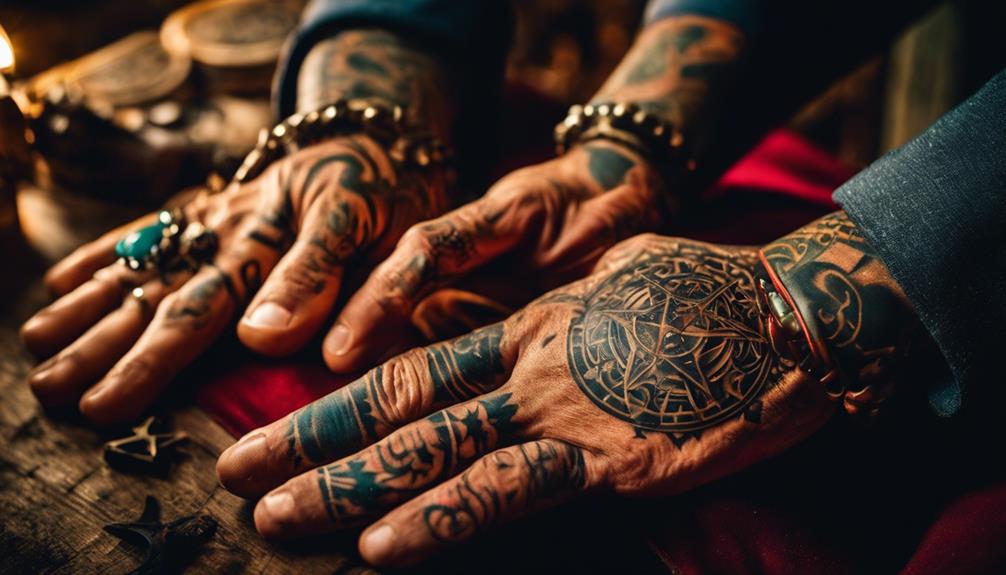
Bold, timeless designs characterize traditional hand tattoos for men. These tattoos feature thick black outlines and vibrant colors, with popular motifs including anchors, roses, swallows, and skulls.
Each design carries unique symbolism, allowing men to express personal meaning through their body art.
Tattoo placement options vary from the back of the hand to individual fingers, with pain levels differing based on the chosen area.
Proper preparation and aftercare are crucial for achieving optimal results and ensuring tattoo longevity. Regular touch-ups every two to five years help maintain the tattoo's appearance, especially in high-wear areas like hands.
Seeking out professional artists who specialize in traditional styles ensures high-quality artwork. These experts honor tattoo heritage while incorporating elements of personal style into each piece.
This guide provides a thorough overview of traditional hand tattoos for men, offering insights into design choices, placement options, and maintenance considerations. By understanding these aspects, men can make informed decisions about their tattoo journey.
Table of Contents Toggle
- Key Takeaways
- Understanding Traditional Hand Tattoo Styles
- Popular Designs and Symbolism
- Choosing the Right Placement
- Pain Management and Preparation
- Aftercare for Hand Tattoos
- Longevity and Maintenance Tips
- Professional Artists and Studios
- Frequently Asked Questions
Key Takeaways
Traditional hand tattoos use bold lines and bright colors.
Popular placements include hand backs and wrists for visibility.
Understanding Traditional Hand Tattoo Styles
Traditional Hand Tattoo Aesthetics
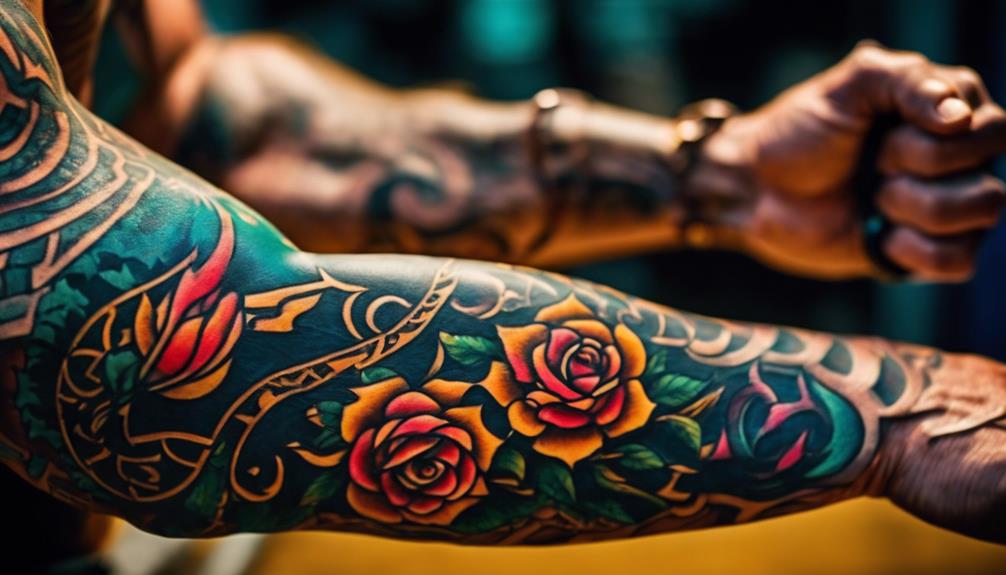
Traditional hand tattoos for men feature a distinct look with bold lines and bright colors. This style, known as 'American Traditional,' stands out for its two-dimensional look and high-contrast designs.
Key Elements of Traditional Hand Tattoos
The trademark of these tattoos is their thick black outlines, which define shapes and add depth. Artists fill these outlines with rich, bright colors applied deeply under the skin. The color choices are often limited but striking, complementing the strong linework.
Popular Traditional Hand Tattoo Designs
Common designs include anchors, skulls, swallows, mermaids, and roses. Each design carries its own meaning. These tattoos use minimal shading, relying on solid colors and empty spaces to create visual appeal.
Evolution of Traditional Hand Tattoo Style
While rooted in history, this style continues to change. Neo-traditional designs mix in Art Nouveau and Art Deco elements. This approach adds a modern twist to classic images while keeping the bold, timeless quality that defines traditional tattoos.
Popular Designs and Symbolism
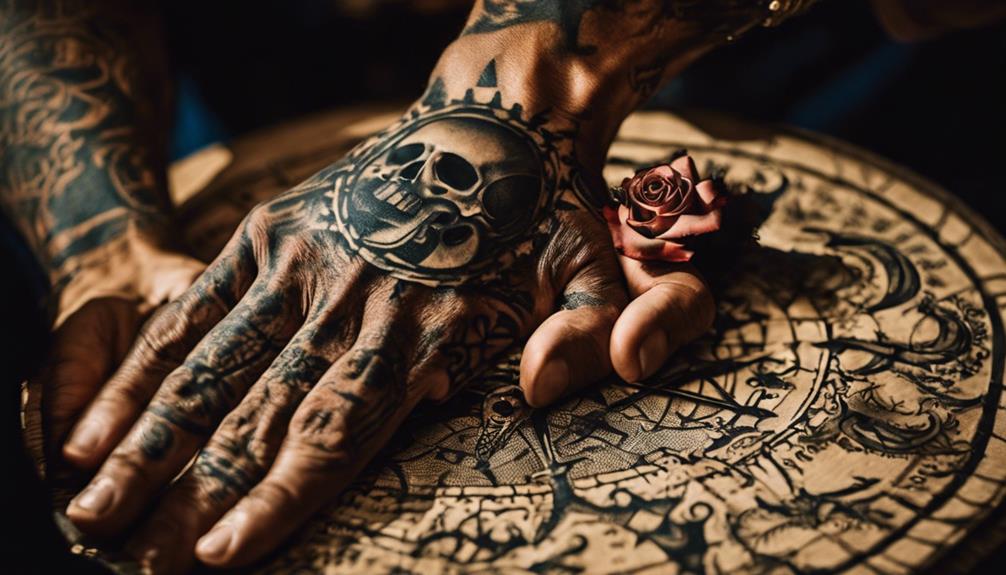
Hand tattoos often feature symbols and patterns with deep cultural significance.
Common motifs include anchors, roses, and swallows, representing stability, love, and freedom respectively. These designs typically use bold lines and bright colors, creating a timeless appeal.
Symbolism in hand tattoos goes beyond aesthetics. Nautical stars might signify guidance, while daggers can represent courage. Religious imagery like crosses or praying hands are also popular choices.
The placement of ink on specific fingers or hand areas can add extra layers of meaning to the design.
Men express themselves through these traditional tattoos, connecting with long-standing artistic traditions. The designs offer a powerful way to showcase personal identity and cultural heritage.
As tattoo artistry evolves, these classic styles remain relevant, blending history with contemporary tastes.
Choosing the Right Placement
Men considering hand tattoos must weigh key factors carefully.
Pain sensitivity is crucial, as tattoos on hands can be uncomfortable due to thin skin and nearby bones.
The high visibility of hand tattoos may affect job prospects, so consider your career path.
Choose a location that aligns with the tattoo's meaning and personal significance.
Some men opt for the back of the hand, while others prefer finger tattoos or wrist designs.
Research various placement options and consult with experienced tattoo artists for guidance.
Remember that hand tattoos fade faster than those on other body parts due to frequent washing and sun exposure.
Regular touch-ups may be necessary to maintain the design's vibrancy over time.
Consider these factors to make an informed decision about your hand tattoo placement.
Pain Tolerance Considerations
Hand Tattoo Placement and Pain
Choosing a spot for a hand tattoo requires thinking about how much pain you can handle. Some areas hurt more than others. Palms are very sensitive, with parts that hurt four times more during tattooing. Fingers, especially pinky and ring fingers, often cause more discomfort due to many nerves and little fat. The back of the hand can be tricky too. Bones and tendons might make tattooing uncomfortable.
People who don't like pain can use numbing creams with lidocaine to help. Talk to your tattoo artist about managing pain before you start.
Pain Tolerance Varies
Everyone feels pain differently. What one person finds okay, another might find unbearable. Getting ready by knowing your limits and talking to your artist about ways to cope can make the experience better. Thinking about pain when picking a spot can also help with healing and aftercare.
Preparing for Your Hand Tattoo
Research different hand areas and their pain levels before deciding. Ask experienced tattoo artists for advice on less painful spots. Consider starting with a small design to test your pain tolerance. Drink plenty of water and eat a good meal before your appointment to help your body handle stress better.
Pain Management Techniques
Try deep breathing or meditation to stay calm during tattooing. Bring headphones to listen to music or podcasts as a distraction. Take breaks if needed – most artists are happy to pause briefly. Avoid alcohol or pain medications that can thin your blood before the session.
Aftercare for Hand Tattoos
Follow your artist's aftercare instructions carefully. Keep the tattoo clean and moisturized. Avoid soaking your hands or exposing the tattoo to dirt. Be extra careful with hand tattoos as they're prone to fading and may need touch-ups. Protect your new tattoo from sun exposure to maintain its color and clarity.
Visibility and Professionalism
Hand tattoo placement significantly affects one's professional image and social interactions. Careful consideration of visibility is crucial when choosing a design and location.
Traditional hand tattoos may pose challenges in certain work environments. Highly visible tattoos on fingers and palms often clash with conservative workplace expectations and social norms.
Balancing personal expression with professionalism requires strategic placement. The back of the hand or wrist offers more discreet options, allowing for concealment when needed.
Finger tattoos resembling rings provide a subtle alternative that's easily hidden. Palm tattoos, being more visible, may not suit those needing a conservative appearance.
Evaluating career goals and social circles is essential when considering traditional hand tattoos. Thoughtful selection of placement and design allows for self-expression while maintaining a professional image aligned with personal and career objectives.
Symbolism and Meaning
Hand tattoo symbolism deeply influences placement choices. Different hand areas carry unique cultural and personal meanings.
The back of the hand often showcases bold designs symbolizing strength and protection, like anchors or nautical stars.
Finger tattoos, though smaller, have significant symbolic impact. Specific finger rings may represent marital status or commitment.
Knuckle tattoos often spell out meaningful words or phrases, while palm tattoos are chosen for intimate or spiritual symbols.
Matching tattoo design with placement is crucial. The combination of meaning and location can transform a simple design into a powerful statement of identity.
Men seeking tattoo ideas often draw inspiration from time-tested, traditional designs.
When choosing hand tattoos, consider how the symbolism aligns with your personal story.
The interplay between design and placement creates a unique narrative on your skin.
Research various styles and meanings to find the perfect fit for your hand tattoo.
Pain Management and Preparation

Hand tattoos are visually striking but often painful due to thin skin and many nerve endings.
Effective pain management and preparation are crucial for a successful tattooing experience.
Talk to your tattoo artist about pain relief options. They might suggest over-the-counter medications or numbing creams. Be aware that some products can affect ink absorption or healing.
Get enough rest and stay hydrated before your appointment. Avoid alcohol and blood thinners to reduce bleeding and discomfort. Practice controlled breathing during the session and take breaks if needed.
Aftercare is vital for proper healing. Follow your artist's instructions carefully to ensure your new hand tattoo heals well and maintains its quality.
Aftercare for Hand Tattoos
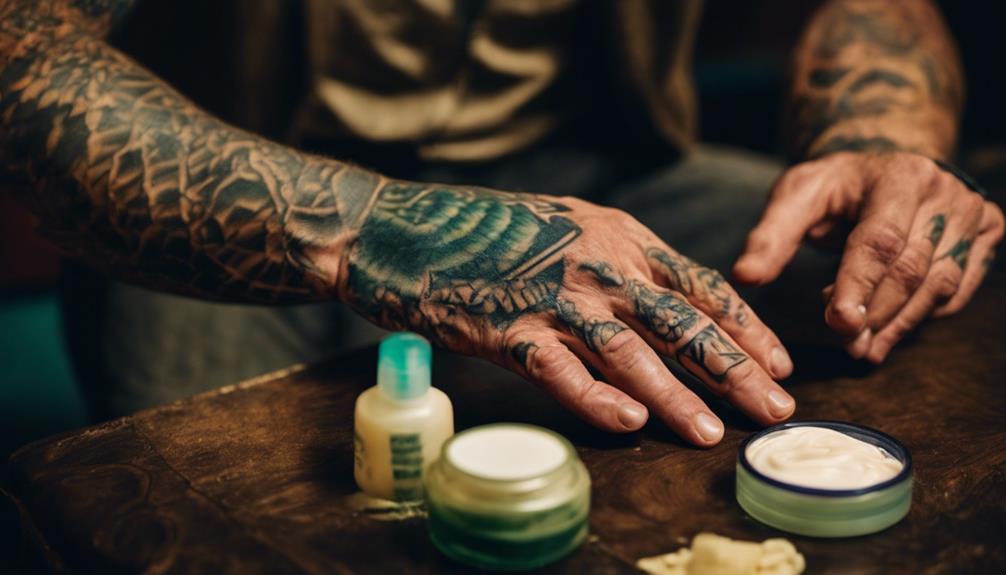
Clean your hand tattoo with mild, unscented soap and lukewarm water to prevent irritation and promote healing.
Shield the tattoo from direct sunlight and avoid soaking it in water to maintain the ink's vibrancy.
Apply a thin layer of recommended aftercare products to soothe the skin and aid healing.
Wear gloves during activities that could expose the tattoo to harmful bacteria, like cooking or cleaning.
Back-of-hand tattoos require extra attention due to constant movement and exposure.
Follow your artist's specific instructions and attend scheduled touch-ups to maintain your tattoo's appearance.
Consistent aftercare practices ensure optimal healing and preserve the beauty of your hand tattoo.
Protect your investment by following these guidelines diligently.
Longevity and Maintenance Tips
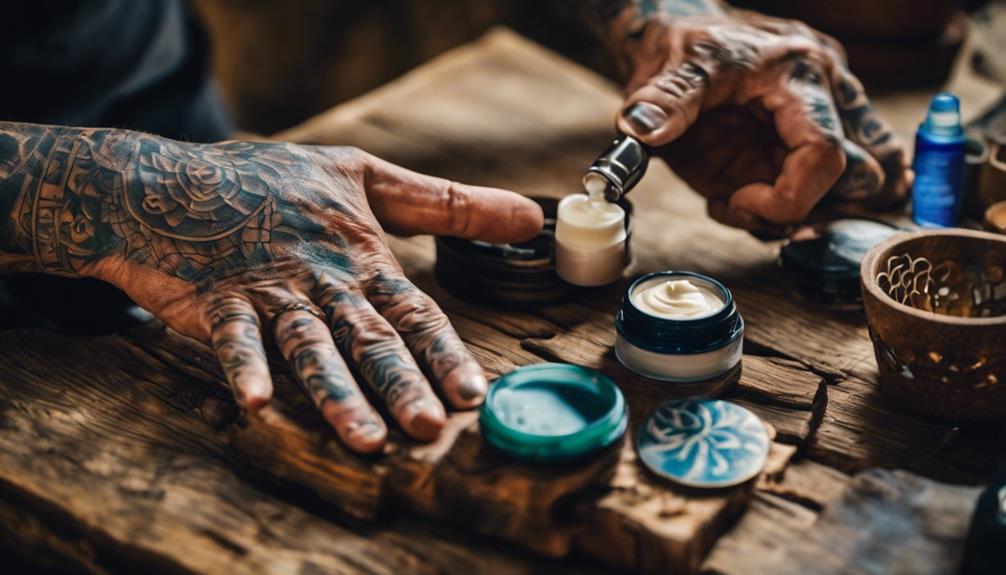
Maintaining Traditional Hand Tattoos
Proper aftercare and regular upkeep are key to preserving traditional hand tattoos for men.
Fading is common due to frequent hand use and environmental exposure.
Touch-up sessions every 2-5 years can help combat this issue.
Long-term Color Retention
To keep tattoos vibrant, shield them from direct sunlight and use gentle cleansing methods.
Applying CBD Healing Balm and sunscreen daily can significantly improve color longevity and overall tattoo appearance.
Proper Aftercare Procedures
Meticulous aftercare is crucial for preserving traditional hand tattoos. Follow your artist's instructions carefully to ensure optimal healing and color retention.
Start aftercare immediately post-tattooing and continue beyond initial healing.
Protect your tattoo from environmental damage. Once fully healed, apply sunscreen daily to prevent fading.
Keep the area clean and moisturized with gentle soap and CBD Healing Balm to promote healing and avoid irritation.
Avoid direct sunlight and prolonged soaking. Wear gloves during activities that might expose your tattoo to bacteria, like cooking or cleaning. This helps prevent infection and maintains the tattoo's appearance.
Schedule regular touch-up appointments with your artist. These visits help keep your design vibrant and true to its original form.
Consistent care ensures your traditional hand tattoo remains a stunning piece of art for years to come.
Touch-Up Frequency Recommendations
Hand Tattoo Maintenance Guide
Traditional hand tattoos need touch-ups every 5-10 years to stay vibrant and detailed. Factors like sun exposure, skin type, and aftercare affect this timeline. People who work outdoors or use their hands frequently may need more frequent maintenance.
Hand tattoos can fade up to 30% in the first year. Regular touch-ups prevent further fading. A strict aftercare routine is crucial. Avoid direct sunlight, use gentle soap, and keep the tattoo moisturized.
Some artists suggest touch-ups every 2-3 years, even if the tattoo looks good. This approach helps maintain the design's integrity over time. Combining regular touch-ups with proper aftercare extends the tattoo's lifespan and visual impact.
Sun Protection for Hand Tattoos
Using sunscreen on hand tattoos is essential. Choose a high SPF product and apply it daily, even on cloudy days. Reapply sunscreen every two hours or after washing hands. This habit significantly reduces fading and preserves color vibrancy.
Moisturizing for Tattoo Longevity
Keep hand tattoos well-moisturized to maintain their appearance. Use fragrance-free, hypoallergenic lotions designed for tattooed skin. Apply moisturizer twice daily, focusing on the tattooed area. This practice keeps the skin supple and helps preserve tattoo details.
Long-Term Color Retention
Preserving Vibrant Tattoo Colors
Sun protection is crucial for maintaining tattoo vibrancy. Apply broad-spectrum sunscreen with SPF 30 or higher to tattooed areas, reapplying as needed. This shields the pigments from UV rays that cause fading.
Moisturizing helps lock in colors and prevent fading. Use fragrance-free lotions or creams, especially during the healing process. A nutrient-rich diet supports skin health and elasticity, contributing to tattoo longevity.
Touch-ups are key for long-term color retention. Schedule professional touch-ups every 5 to 10 years, depending on factors like sun exposure and skin type. This maintains the tattoo's original vibrancy and prevents extensive repairs.
Collagen Production aids in maintaining tattoo appearance. Consume foods high in vitamins C and E, zinc, and omega-3 fatty acids to support this process. These nutrients promote overall skin health, benefiting tattooed areas.
Aftercare is essential for preserving tattoo colors. Follow your artist's instructions carefully during the healing process. Proper care in the initial weeks can significantly impact long-term color retention.
Professional Artists and Studios
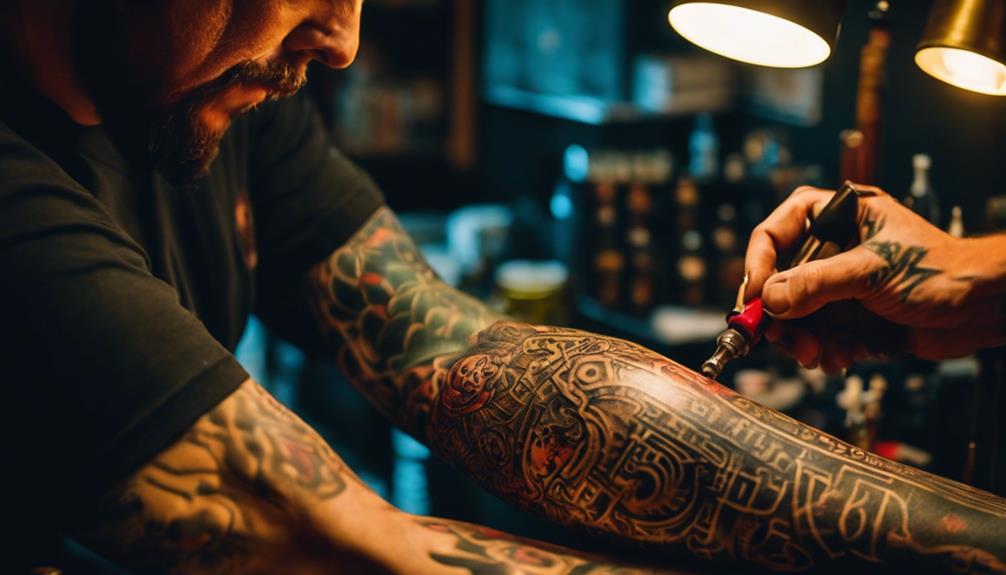
Professional tattoo artists and studios offer exceptional skill and experience for traditional hand tattoos.
These experts have spent years mastering their craft, ensuring clients receive high-quality artwork that lasts.
Artists specializing in old school designs understand the symbolism and cultural significance behind classic motifs.
Reputable studios typically employ experienced artists skilled in traditional tattooing techniques.
They provide safe, clean environments and consultations to help clients choose the right design.
Some artists, like Tasha Terror, blend old and new elements for a fresh take on traditional styles.
When selecting an artist or studio for a traditional hand tattoo, consider their portfolio and ability to customize designs.
Choosing a professional ensures a timeless piece that reflects personal style while honoring tattoo heritage.
Clients should research artists thoroughly and ask questions about their experience with traditional designs.
Look for examples of their work on hands specifically, as this area requires special expertise.
Consider factors like healing time, aftercare instructions, and touch-up policies when making a decision.
Many top artists have waiting lists, so plan ahead if you have a specific timeframe in mind.
Some studios offer guest spots with traveling artists specializing in traditional styles, providing unique opportunities for collectors.
Frequently Asked Questions
Which Tattoo Looks Good on Hand?
Bold symbols on hands create eye-catching tattoos.
Minimal designs complement hand contours effectively.
How Do Tattoo Artists Feel About Hand Tattoos?
Hand tattoos provoke mixed reactions among artists.
Stigma and visibility influence artist decisions on hand pieces.
What Are the Cons of Hand Tattoos?
Hand tattoos face social judgment and work challenges.
Exposed skin art needs frequent care and upkeep.
Is It Professional to Have a Hand Tattoo?
Hand tattoos remain controversial in professional settings.
Conservative industries may limit career options for tattooed individuals.