
Tattoo Design with Famous Scripts
Crafting tattoos using renowned lettering styles requires both artistic skill and technical precision.
Artists must perfect their stroke work, ornate embellishments, and consistent letter spacing to produce attractive, legible designs.
Font selection plays a crucial role in balancing readability and visual appeal.
Many clients prefer traditional calligraphy or contemporary brush scripts for their tattoos.
Effective template creation involves meticulous planning and well-defined guidelines.
Advanced techniques such as shading and gray wash effects can add depth and dimension to lettered tattoos.
Experienced tattoo artists consider body placement when adapting scripts, ensuring the design complements the client's anatomy.
The intricacies of script tattoo design offer numerous opportunities for creative expression and innovation.
Table of Contents Toggle
- Key Takeaways
- Understanding Script Tattoo Design Fundamentals
- Choosing the Right Font Style
- Creating Templates for Script Designs
- Refining and Enhancing Lettering Techniques
- Incorporating Gray Wash Elements
- Mastering Shading in Script Tattoos
- Balancing Negative Space in Designs
- Adapting Scripts for Different Placements
- Frequently Asked Questions
Key Takeaways
Choose and practice a lettering script for your tattoo.
Adjust script size and complexity for tattoo placement.
Understanding Script Tattoo Design Fundamentals
Script tattoo design relies on precise strokes, elegant flourishes, and consistent spacing. These elements create visually appealing and readable tattoos that endure over time.
Skilled artists execute each line with confidence, maintaining uniform thickness and smooth curves. This ensures the lettering stays clear as the tattoo ages.
Decorative elements like swirls and loops add character to script tattoos. These embellishments should enhance the main text without overwhelming it, transforming simple scripts into unique body art pieces.
Even letter distribution and careful kerning prevent awkward gaps or crowding. This attention to detail creates a smooth visual flow across the design, improving overall readability and aesthetic appeal.
Choosing the Right Font Style
Picking the right font for a script tattoo is crucial.
Popular choices include classic calligraphy and modern brushscript styles.
The selected font should complement the overall design and convey the intended message effectively.
Readability and artistic appeal must be carefully balanced.
Ornate scripts may look stunning but can be hard to read.
Simpler fonts maintain clarity but might lack decorative elements.
Consider the tattoo's placement and size when choosing a font style.
Popular Script Font Styles
Choosing the right script font for a tattoo involves understanding the client's desired look.
Fraktur minuscule scripts, with ornate and curly letters, suit Chicano tattoo designs well. These add elegance and complexity to tattoos.
Graffiti lettering fonts bring an urban, edgy vibe to tattoos. They're perfect for those wanting a bold, modern appearance.
Hand lettering alphabets offer customizable options for unique designs. Swirly vectors can add artistic flair to tattoos. These elements create intricate patterns and ornate details.
Classic script styles like Gothic, Cursive, Traditional, and Graffiti each have distinct features. These time-tested options form a solid base for creating striking tattoo designs.
They allow tattoo artists to craft meaningful and visually appealing artwork on skin.
Matching Font to Design
Choosing the Right Font for Your Tattoo
Selecting an appropriate font is crucial for creating a visually appealing tattoo. The chosen style should align with the design's theme and message. Consider the tattoo's placement and size when picking a font.
Script fonts work well for romantic designs, while bold fonts can express strength. Ensure the font size fits the tattoo's location and remains readable. Keep in mind that intricate fonts might blur over time.
Balance the client's preferences with practical considerations. Create mock-ups to visualize different font and design combinations. This process helps refine the tattoo concept and ensures a harmonious final result.
Legibility and Longevity
Opt for fonts with clear, defined strokes and adequate spacing between letters. This approach helps maintain the tattoo's readability as it ages. Consider how the font will look years after the initial application.
Personalization and Style
The chosen font should reflect the client's personality and style. Discuss font options with the client to understand their vision. Offer suggestions based on your expertise while respecting their preferences.
Practical Considerations
Factor in the tattoo artist's skill level when selecting a font. Some intricate styles may require specialized techniques. Discuss any limitations or challenges with the client before finalizing the design.
Legibility Versus Aesthetics
Choosing the right font for tattoo lettering requires balancing readability and visual appeal.
Script fonts create stunning effects but may sacrifice clarity, especially in smaller sizes or on curved body parts. Simpler serif or sans-serif fonts prioritize legibility but might lack artistic flair.
Finding a middle ground preserves both readability and visual appeal. Consider letter spacing, line thickness, and overall complexity when evaluating fonts.
Avoid intricate designs that may blur or fade over time, compromising the tattoo's longevity. The chosen font should reflect the wearer's personality and convey the intended message while remaining clear and visually striking.
Careful consideration of these factors helps achieve a tattoo that's both aesthetically pleasing and easily readable. This ensures the tattoo's significance lasts for years to come, making the choice of font a crucial aspect of the design process.
Tattoo artists often recommend testing different fonts on paper or temporary tattoos before committing to a permanent design.
This allows the wearer to see how the font looks on their skin and in various lighting conditions.
Popular font choices for tattoos include classic serif fonts like Times New Roman for a traditional look, or modern sans-serif fonts like Helvetica for a clean, minimalist appearance.
Custom lettering designed by skilled tattoo artists can also create unique, personalized results.
Creating Templates for Script Designs
Effective script design templates require careful planning. Setting clear guidelines ensures consistent letter height and alignment, while thoughtful font selection establishes the desired aesthetic.
Mastering spacing and flow techniques is crucial for seamless letter integration. This approach results in cohesive, visually appealing tattoo designs that stand out.
Tattoo artists often recommend practicing on paper before applying designs to skin. This method allows for refinement and helps avoid costly mistakes during the actual tattooing process.
Setting Proper Guidelines
Creating Effective Script Tattoo Guidelines
Proper guidelines form the basis for balanced script tattoo designs.
Artists should establish consistent baselines, x-heights, and cap heights for the chosen script style. This ensures uniform letter proportions and smooth flow across the design.
Draw horizontal lines to define key letter components: baseline, x-height, ascender line, and descender line.
These serve as anchors for letter placement and size consistency. For scripts with varying heights, add extra guidelines to accommodate flourishes and decorative elements.
Vertical guidelines help maintain appropriate letter spacing and overall composition.
Consider the script's natural rhythm and adjust spacing for a harmonious look.
Include slant lines for italic or angled scripts to ensure a consistent tilt across all characters.
Choosing Font Styles
Choosing the right font for script tattoo templates is crucial. It shapes the design's mood and visual appeal.
Artists consider readability, longevity, and personal meaning when picking lettering fonts. Copperplate and Spencerian offer classic elegance, while Brush Script and Lobster give a modern touch.
Fonts should fit the tattoo's location and dimensions. Small designs need fonts that preserve detail.
Artists focus on precise strokes and consistent spacing for balanced scripts. Accurate templates allow for adjustments in letter spacing and connections.
Custom touches like personal flourishes or mixed font styles can improve designs.
Careful font selection helps artists create templates for meaningful, beautiful script tattoos. This process forms the base for impactful body art that resonates with clients.
Spacing and Flow Techniques
Spacing and flow techniques are crucial in script tattoo design. These elements create visually appealing and harmonious lettering templates. Artists focus on the interplay between characters to maintain legibility and balance.
Well-executed script tattoos feature precise strokes and elegant flourishes. The connections between lowercase letters often define the design's fluidity. Consistent spacing prevents crowding or gaps between characters, resulting in a polished look.
Tattoo artists use grid systems or guidelines to maintain proportions and alignment. Digital tools help refine designs and experiment with different spacing techniques. Mastering these skills requires technical expertise, artistic vision, and typography knowledge.
The art of script tattoo design combines creativity with precision. Artists must consider the overall composition while paying attention to minute details. This balance ensures that each tattoo is both beautiful and readable.
Proper spacing and flow contribute to the longevity of a script tattoo. Well-designed templates age gracefully, maintaining their clarity and aesthetic appeal over time. This consideration is vital for clients seeking lasting body art.
Refining and Enhancing Lettering Techniques
Refining Lettering Techniques for Tattoos
Precision and consistency are key in tattoo lettering. Artists must hone their skills through constant practice, focusing on clean strokes and balanced letter weights. This attention to detail results in visually appealing designs that stand the test of time.
Decorative elements can elevate lettering designs when used judiciously. Careful placement of flourishes enhances the overall composition without compromising readability. The goal is to create a harmonious balance between style and substance.
Spacing plays a crucial role in lettering aesthetics. Proper kerning ensures each character flows seamlessly into the next, creating a cohesive look. Artists who master this aspect produce scripts that are both beautiful and easily legible.
Advanced techniques like shading and highlighting add depth to lettered designs. These methods create a sense of dimension, making the tattoo more dynamic and engaging. The result is a piece that captures attention and holds significant meaning for the wearer.
Mastering lettering techniques requires dedication and practice. Artists who invest time in refining their skills produce tattoo scripts that are not only visually striking but also deeply meaningful to clients. This commitment to craft sets exceptional tattoo artists apart in a competitive field.
Incorporating Gray Wash Elements
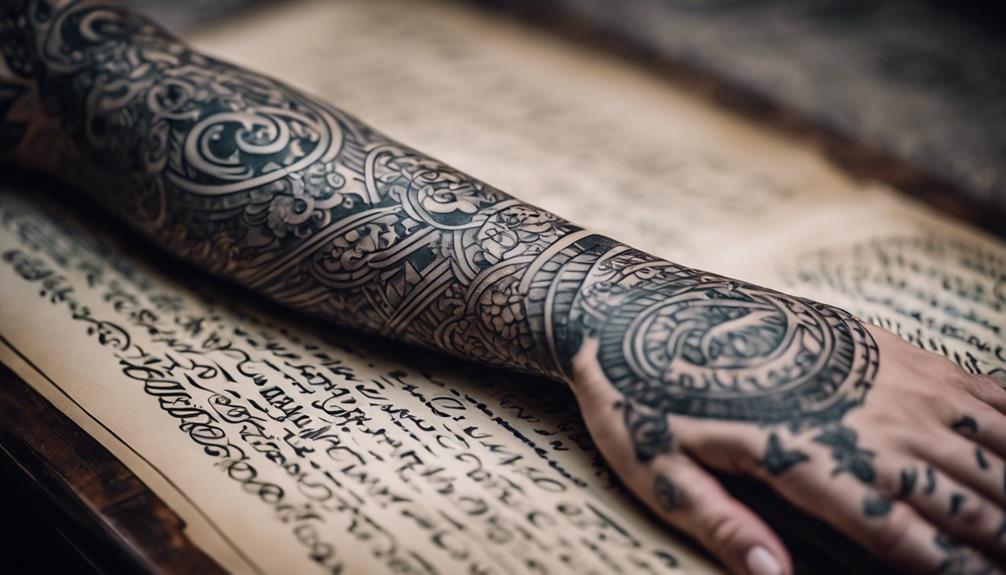
Gray wash techniques bring depth and dimension to lettering tattoos. Artists use diluted black ink to create varied gray tones, transforming flat scripts into visually engaging designs.
Thoughtful shading placement enhances the overall composition. Subtle gradients on letter edges create a 3D effect, while strategic shadows give text a floating appearance.
Atmospheric backgrounds can further emphasize the lettering.
Balancing gray wash elements is crucial. Excessive shading can overpower the script, but insufficient shading may not achieve the desired result. Skilled artists plan carefully, often creating mock-ups to visualize the final outcome.
Mastering Shading in Script Tattoos
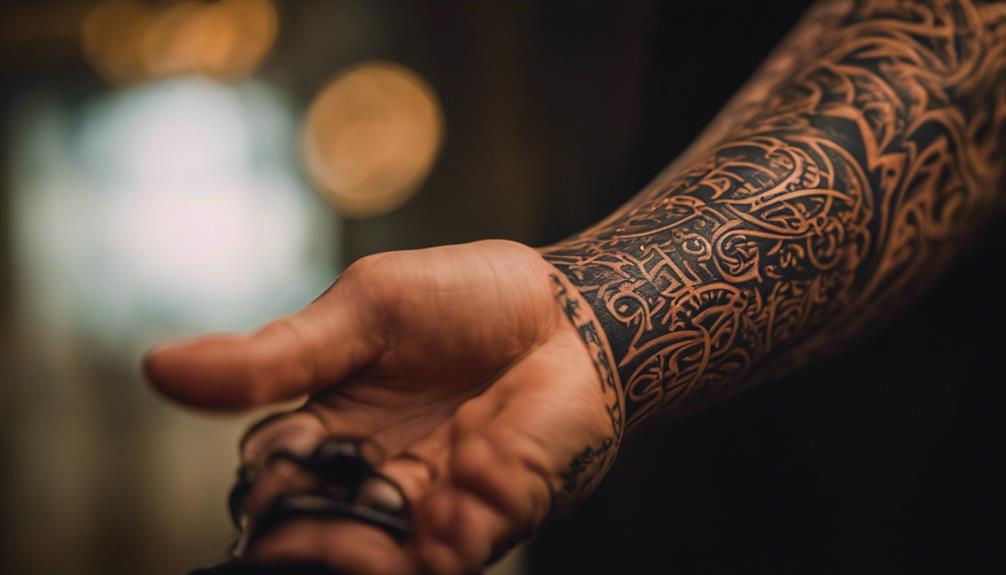
Shading Techniques for Script Tattoos
Skilled tattoo artists use shading to transform script tattoos into complex artworks.
They build on basic gray wash methods to add depth and visual appeal.
Gradual shading creates a 3D effect in script tattoos. Artists carefully control their machines to deposit varying ink amounts, producing smooth transitions from dark to light areas within letters.
Negative space plays a crucial role in script tattoo shading. Leaving some skin untouched creates highlights that make letters stand out.
Combined with elegant flourishes and consistent spacing, this technique produces striking designs.
Perfecting shading in script tattoos takes time and attention to detail.
Artists who master these methods turn simple words into captivating, lasting art pieces.
Balancing Negative Space in Designs
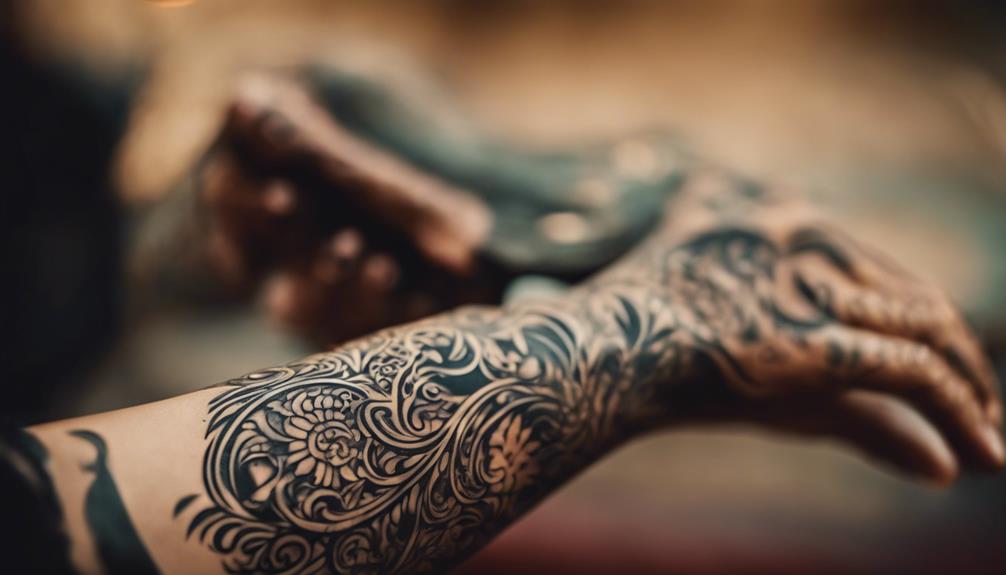
Balancing Negative Space in Script Tattoos
Negative space significantly impacts the visual appeal of script tattoos. Skilled tattoo artists aim for 10-15% negative space to create balanced designs. This careful approach prevents visual clutter and enhances readability.
Letter spacing and overall layout require thoughtful consideration. Artists must balance the ink and empty areas to achieve a harmonious composition. Proper spacing allows each element to stand out while maintaining a cohesive flow.
Gray wash and decorative elements add complexity to script tattoos. Artists practice on various templates to develop an intuitive sense of space distribution. This skill helps create visually striking tattoos with precise strokes and elegant flourishes.
Mastering negative space transforms basic script into artful designs. The interplay between text and empty areas elevates simple concepts into captivating body art. Tattoo artists who excel in this technique produce work that's both legible and aesthetically pleasing.
Adapting Scripts for Different Placements
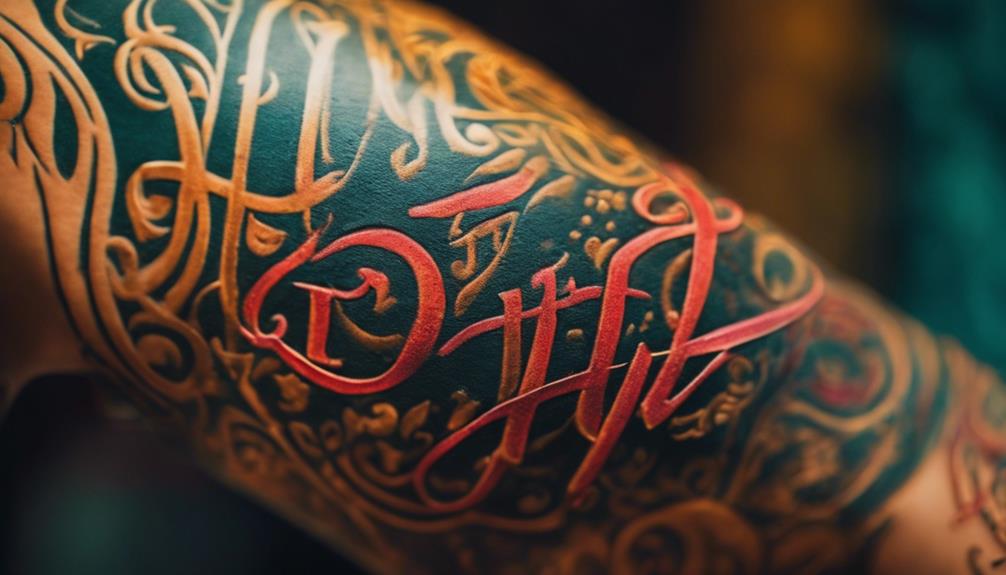
Script Tattoo Placement Considerations
Adapting script tattoos for different body parts requires understanding anatomy and design.
Curvature affects how a script design looks. Flat areas like the chest allow for different designs than curved spots like arms.
Smaller areas need smaller fonts and adjusted spacing. Wrists and ankles benefit from compact designs.
Larger muscle areas can handle thicker lines and decorative elements.
Moving body parts work well with flowing scripts. Ribcage and foot tattoos often use cursive styles.
Each body part's unique features guide script choices.
Personal style should guide tattoo placement decisions.
Artists balance anatomical factors with client preferences.
This approach creates visually appealing tattoos suited to their location.
Frequently Asked Questions
What Is the Best Script Font for Tattoos?
Script fonts for tattoos vary based on personal taste.
Precise strokes and consistent spacing define ideal choices.
How to Design Tattoo Script?
Sketch ideas carefully before finalizing tattoo script designs.
Consistency in letter shapes enhances overall script appeal.
What Apps Do Tattoo Artists Use for Fonts?
Procreate offers precise digital lettering for tattoo designs.
Adobe Illustrator Draw helps create elegant custom fonts.
What Are Tattoos With Writing Called?
Script tattoos feature written elements on skin.
Tattoo Typography emphasizes precise strokes and elegant flourishes.