
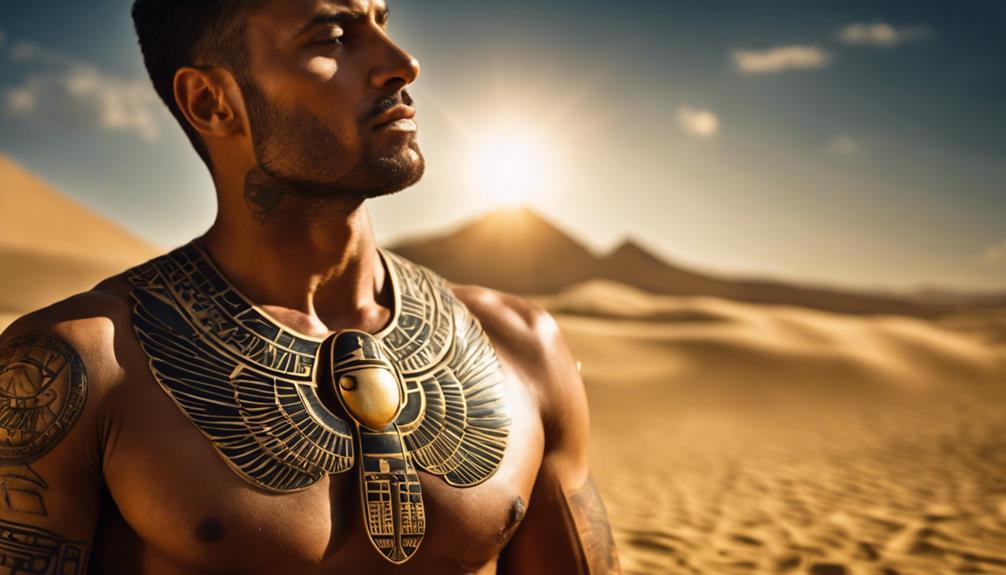
Ancient neck to chest tattoos for men hold deep cultural meaning. These designs trace back to various ancient civilizations, serving as symbols of identity and social standing.
Popular motifs include mythical creatures like dragons, representing power and endurance. Greek and Polynesian styles often use geometric patterns and complex lines to convey ideas of eternity and family lineage.
Artists must carefully consider placement when creating these tattoos. The body's natural curves require skillful adaptation of designs for optimal visual impact.
Contemporary tattoo artists blend traditional elements with modern techniques. This fusion results in visually striking artwork that honors historical roots while appealing to current tastes.
Studying these ancient designs offers insight into human history and artistic expression. The evolution of tattoo art reflects changing cultural values and aesthetic preferences over time.
Table of Contents Toggle
- Key Takeaways
- Historical Significance of Ancient Designs
- Popular Mythological Creatures
- Symbolic Meanings and Interpretations
- Placement and Size Considerations
- Artistic Styles and Techniques
- Modern Adaptations of Ancient Patterns
- Frequently Asked Questions
Key Takeaways
Ancient tattoos symbolized identity and beliefs across cultures.
Polynesian designs featured geometric patterns representing personal history.
Historical Significance of Ancient Designs
Ancient Cultures and Body Art
Neck and chest tattoos have deep roots in various ancient societies. These markings served as visual representations of identity, status, and spiritual beliefs for thousands of years.
Polynesian Traditions
Polynesian cultures used intricate geometric patterns on the neck and chest to show family history and personal accomplishments. These designs were also believed to offer spiritual protection.
Egyptian Practices
Archaeologists have found Egyptian mummies with neck and chest tattoos. Some experts think these markings might have had healing or religious purposes.
Celtic Symbolism
In Celtic cultures, neck and chest tattoos often displayed symbols of strength and tribal loyalty. These designs helped reinforce social bonds within communities.
Social Significance
Many ancient societies viewed neck and chest tattoos as important milestones. They marked life changes and cemented a person's place in the social order.
Spiritual Protection
People in ancient times often believed their tattoos could ward off evil spirits. Some saw these markings as a way to invite divine protection into their lives.
Cultural Insights
Studying ancient neck and chest tattoos gives us a window into the complex social structures and belief systems of our ancestors. These designs reveal much about how people lived and thought in the past.
Popular Mythological Creatures
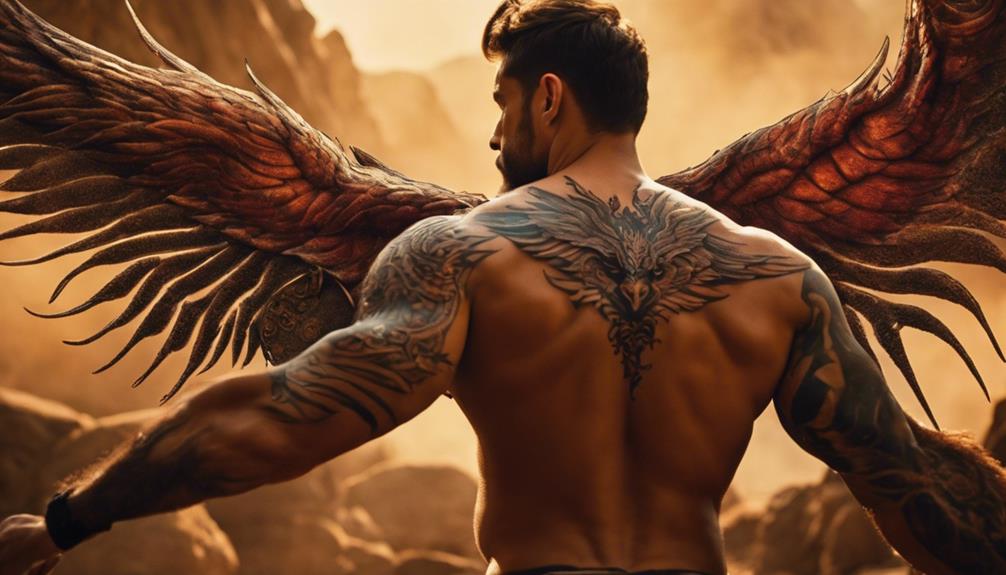
Mythological creatures have long been favorite subjects for tattoos, especially on the neck and chest.
These fantastical beings from ancient stories carry deep meanings and personal significance for many people. Dragons, phoenixes, and griffins top the list of sought-after mythical tattoos.
Dragons often cover the chest, representing strength and wisdom in Eastern cultures. Phoenixes symbolize resilience, while griffins embody courage and protection.
Sea monsters like the kraken and hybrid creatures such as the chimera are also common choices.
These complex designs allow tattoo artists to showcase their skills in creating detailed, large-scale body art. The popularity of mythological tattoos stems from their rich symbolism and the opportunity they provide for personal expression.
Wearers often choose designs that resonate with their own life experiences or aspirations. Skilled tattoo artists can bring these ancient creatures to life on skin, creating stunning works of art that tell stories and capture imaginations.
The intricate details and vibrant colors used in these tattoos make them true masterpieces of body art.
Symbolic Meanings and Interpretations
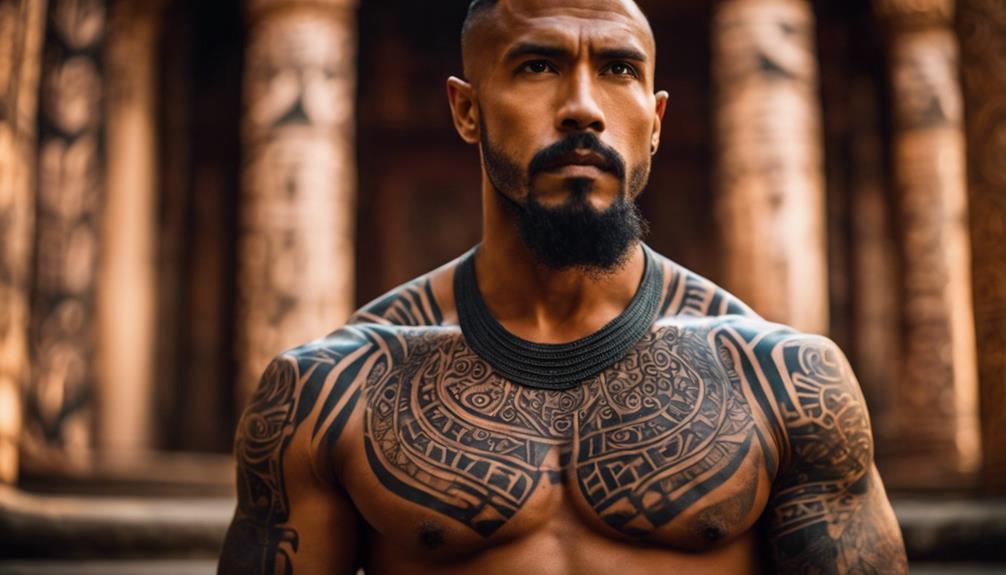
Neck to chest tattoo designs often draw inspiration from Greek mythology. These symbols carry deep cultural significance, rooted in ancient stories and beliefs.
People choose these tattoos for various reasons, often mixing traditional meanings with personal interpretations. As tattoo trends change, so do the ways people understand and use these symbols.
The popularity of neck to chest tattoos has grown in recent years. Many tattoo artists now specialize in creating intricate designs that span this area of the body.
Choosing a neck to chest tattoo requires careful consideration. The visibility of these tattoos can impact personal and professional life, making the decision to get one significant.
Cultural Significance Explored
Ancient Greek Tattoos: Cultural Icons
Neck and chest tattoos in ancient Greece conveyed deep symbolic meanings. These intricate designs represented status, power, and spiritual beliefs, serving as visual markers of one's place in society and connection to the divine.
Greek tattoo art incorporated mythological and philosophical concepts. Designs like the Minotaur, Centaur, and Chimera showcased strength and wisdom while representing the eternal struggle between good and evil.
The Greek key pattern, or meander, symbolized infinity and life's cyclical nature. This design reflected the philosophical underpinnings of ancient Greek culture, emphasizing their complex understanding of existence.
Symbols of power, such as the Labrys double-headed axe, featured prominently in neck and chest tattoos. These designs emphasized masculinity and leadership, serving as visual representations of authority.
The Omphalos, representing the world's navel, highlighted the interconnectedness between mortals and gods. This element underscored the spiritual significance of Greek tattoos, bridging the gap between earthly and divine realms.
Greek tattoo art preserved cultural legacy through intricate designs. These sophisticated expressions of artistry and spirituality continue to influence modern tattoo culture and our understanding of ancient Greek society.
Personal Interpretations Matter
Ancient Greek symbols carry inherent meanings, but personal interpretations shape their significance for modern tattoo wearers. The Minotaur might represent strength to one person and inner conflict to another, while the Greek key pattern could symbolize continuous growth or cultural heritage.
The Labrys and Omphalos symbols allow for individualized meanings. Someone might choose the Labrys to represent personal power and transformation, while the Omphalos could signify a spiritual journey or self-discovery.
The Anchor, often symbolizing hope, might commemorate overcoming challenges or serve as a reminder of resilience.
These personal interpretations create a dialogue between the wearer and observers, adding depth to the tattoo's meaning.
By blending traditional symbolism with personal significance, men can design neck to chest tattoos that are visually striking and uniquely meaningful.
The combination of ancient symbols and personal meaning allows for creative expression in tattoo design.
Wearers can incorporate elements that resonate with their life experiences, values, and aspirations.
This approach results in tattoos that are not only aesthetically pleasing but also serve as powerful personal statements.
Evolving Symbolic Meanings
Neck and chest tattoos for men now blend historical significance with personal meaning.
The Griffon symbol has expanded beyond strength, now representing balance between earthly and spiritual realms. Aztec calendar tattoos symbolize life's cyclical nature and adaptability.
Greek mythological creatures in tattoos reflect personal growth. The Minotaur, Centaur, and Chimera now represent overcoming inner conflicts.
The Labrys symbol has shifted from power to gender equality in some circles.
The Greek key pattern's meaning has broadened. It now represents interconnectedness in modern philosophy, beyond its traditional unity symbolism.
These evolving interpretations allow wearers to express themselves uniquely.
Tattoo artists incorporate these ancient symbols into contemporary designs. They work with clients to create pieces that resonate with individual experiences and beliefs.
This fusion of old and new keeps tattoo culture vibrant and relevant.
Placement and Size Considerations
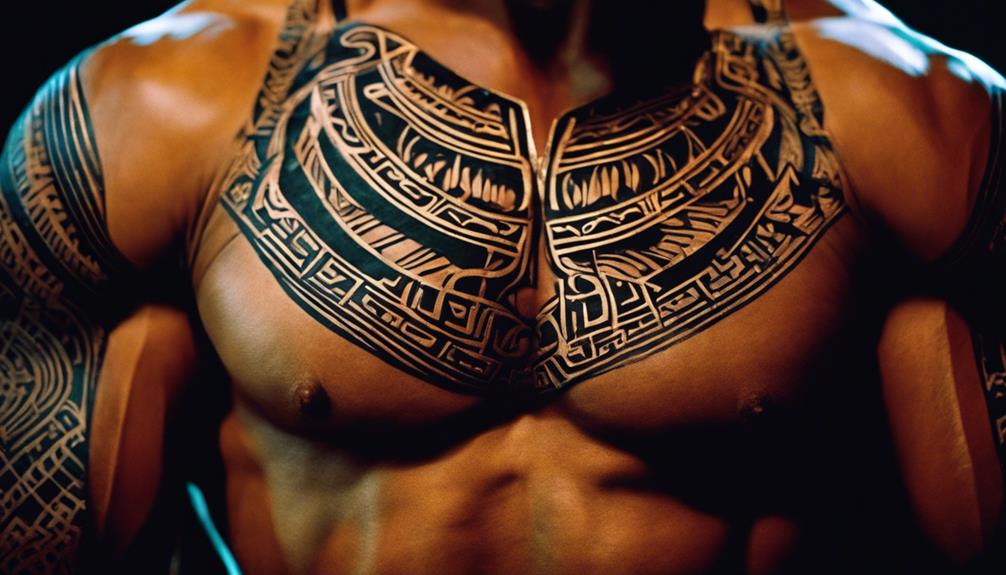
Neck to chest tattoos require careful planning and execution.
Artists face unique challenges when designing across these areas due to varying skin textures and body contours.
The tattoo must flow seamlessly from neck to chest, adapting to the natural curves and movements of the body.
Collaboration between artist and client is key to creating a visually striking and cohesive design.
The artist must consider how the tattoo will appear when the client moves or changes posture.
Proper sizing and placement ensure the tattoo complements the body's natural lines and enhances the overall aesthetic.
Anatomical Challenges
Neck to chest tattoos pose unique anatomical challenges for artists. The complex contours and varying skin textures in this area require careful planning and execution.
Ancient tattoo artists faced difficulties when creating designs for men in this region. They had to work around the Adam's apple, collarbone protrusions, and neck curvature to achieve flowing designs.
Skin elasticity and thickness vary across the neck and chest, affecting ink retention and healing. Artists needed different techniques for thinner skin areas like the throat compared to the more resilient lower neck and shoulders.
Movement considerations were crucial for ancient tattooists. They ensured designs remained visually appealing when the wearer moved or changed positions.
Men's facial hair presented an extra challenge. Artists had to account for potential design distortion as beard growth occurred over time.
These anatomical factors demanded a deep understanding of human physiology. Advanced tattooing skills were necessary to create lasting, meaningful neck to chest tattoos in ancient cultures.
Visual Impact Considerations
Ancient tattoo artists focused on creating visually striking neck and chest designs for men. They considered body type, muscle definition, and personal style to achieve balanced compositions.
Artists used varied design sizes for maximum impact. Smaller symbols adorned necks and wrists, while larger scenes covered backs and chests.
This allowed for intricate details to shine.
The size and placement of tattoos complemented the wearer's physique and aesthetic preferences.
Some men chose bold, attention-grabbing designs, while others preferred subtle looks.
The goal was to create a cohesive artistic statement that reflected the individual's unique traits.
Artistic Styles and Techniques
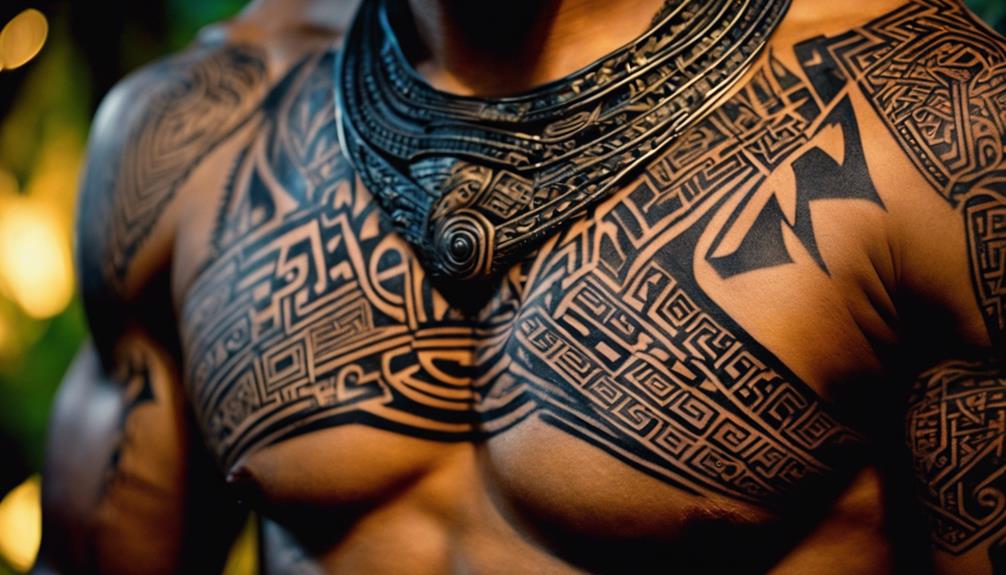
Neck to chest tattoo designs showcase a wide range of artistic styles and techniques.
Artists create visually striking compositions using various approaches, with angel wings being a popular choice. Realistic tattoos capture intricate feather details, while abstract designs focus on fluid lines and curves.
Traditional techniques with bold outlines and color fills adapt well to neck and chest pieces. Fine line work and dot work allow for delicate designs that complement body contours.
Blackwork and geometric styles offer striking contrast and visual impact. Shading techniques add depth to these designs.
Gradient fades, stippling, and cross-hatching enhance the overall aesthetic. Artists may incorporate biomechanical or ornamental elements for unique, personalized designs.
The goal is to create a seamless flow from neck to chest, ensuring a cohesive and impactful result. Each design is tailored to the individual's preferences and body shape.
Modern Adaptations of Ancient Patterns
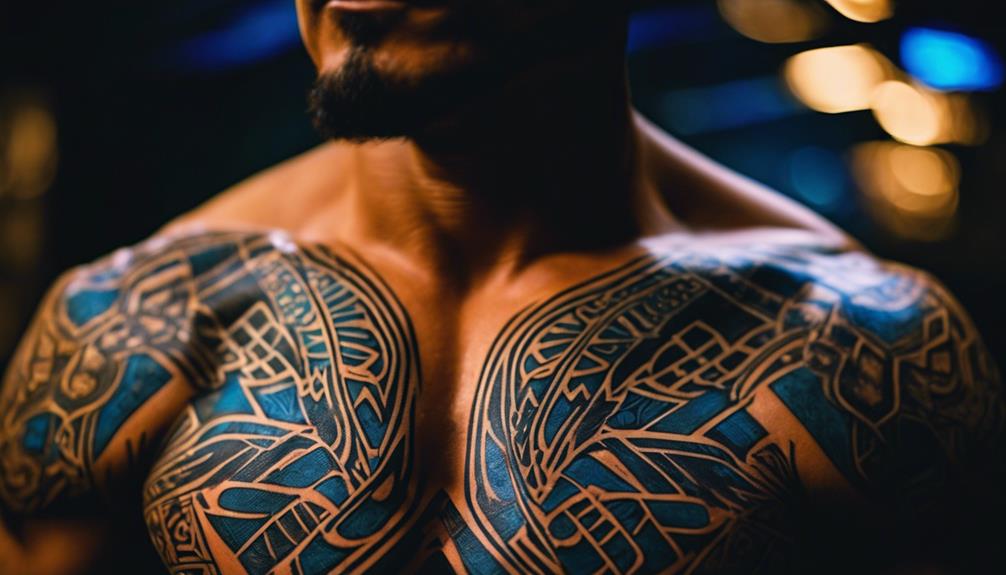
Tattoo artists are blending old-school designs with new techniques to create eye-catching chest and neck pieces.
These updated versions use bright colors, strong outlines, and abstract elements to give traditional motifs a fresh look, appealing to younger generations.
Advanced shading and 3D effects add depth to large-scale tattoos, especially on the chest area.
Artists often mix cultural styles, like Japanese and Polynesian, to produce unique artwork that showcases the wearer's background and personality.
Many modern tattoos incorporate symbolic imagery such as animals or mythical beings.
These elements represent personal values or life events, turning the tattoo into a meaningful expression of identity.
The fusion of ancient and contemporary styles results in distinctive body art that stands out.
This approach allows wearers to honor their heritage while embracing current tattoo trends.
Frequently Asked Questions
What Are the Most Ancient Tattoo Designs?
Ancient tattoos feature geometric and animal designs.
Tattoos served spiritual and social roles in early societies.
What Are Some Meaningful Tattoos for Men?
Spiritual symbols in tattoos express personal beliefs.
Ancient designs like Omphalos show deep meaning.
What Is the Best First Tattoo for Men?
Choose a meaningful symbol for personal significance.
Consider location and potential career impact carefully.
Do Neck Tattoos Look Good on Men?
Neck tattoos make bold statements but aren't universally liked.
Visible neck ink requires confidence and careful consideration.