
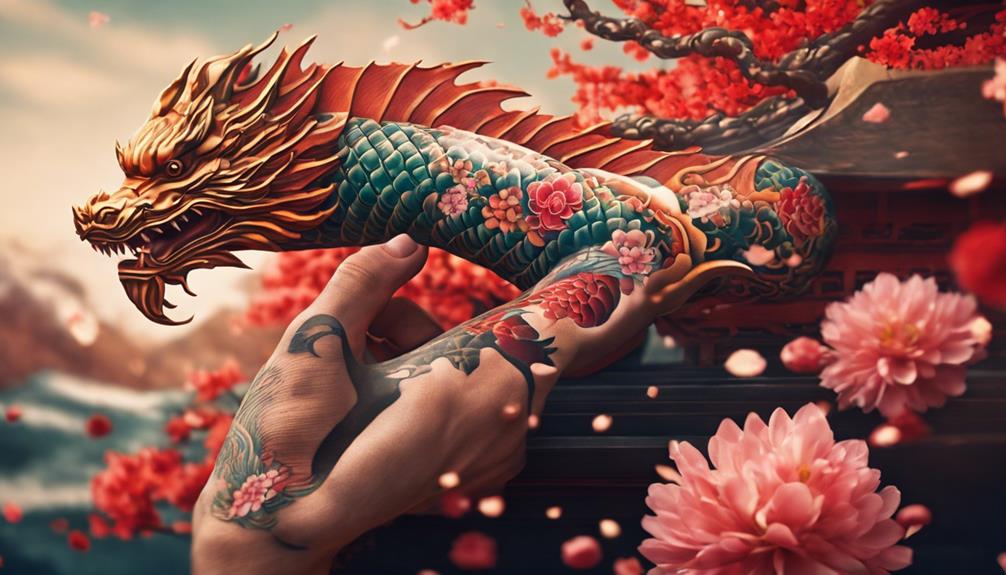
Japanese Sleeve Forearm Tattoos: A Timeless Art Form
Understanding traditional symbolism and design principles is key to creating Japanese sleeve forearm tattoos for men.
Artists combine iconic motifs like koi fish, dragons, and cherry blossoms with detailed backgrounds of waves or clouds.
Color plays a crucial role in these tattoos, with each shade carrying specific meanings.
Proper placement ensures the design flows with the arm's natural contours, enhancing the overall aesthetic.
Aftercare is vital for optimal healing and long-lasting vibrancy.
Choosing an artist skilled in Japanese techniques ensures an authentic and high-quality result.
Respecting cultural etiquette and significance throughout the process is essential.
This tattoo style offers a wide range of creative possibilities, rooted in rich history and artistic elements.
Table of Contents Toggle
- Key Takeaways
- Traditional Japanese Tattoo Symbolism
- Designing Your Sleeve Composition
- Color Theory in Japanese Tattoos
- Placement and Flow Considerations
- Popular Motifs and Imagery
- Blending Traditional and Modern Styles
- Tattoo Aftercare for Sleeve Designs
- Choosing the Right Artist
- Pain Management During Sessions
- Cultural Significance and Etiquette
- Frequently Asked Questions
Key Takeaways
Choose a central motif for your sleeve design.
Incorporate traditional Japanese symbolism for meaningful depth.
Traditional Japanese Tattoo Symbolism
Japanese sleeve forearm tattoos incorporate a wealth of traditional symbols. Each element in irezumi conveys deep cultural and personal meanings.
Dragons represent wisdom and strength, while koi fish symbolize perseverance. Cherry blossoms illustrate life's fleeting nature. Chrysanthemums embody longevity and nobility. Tigers and oni demons protect against evil spirits. Phoenixes signify rebirth and overcoming challenges.
The arrangement of these elements follows traditional Japanese art principles. Background features like wind bars or waves provide context and movement. This enhances the tattoo's overall narrative.
Color choices carry symbolic weight in Japanese tattoos. Red represents passion and strength. Black signifies mystery and the unknown.
The interplay of colors and symbols creates visually striking and meaningful sleeve designs.
Designing Your Sleeve Composition
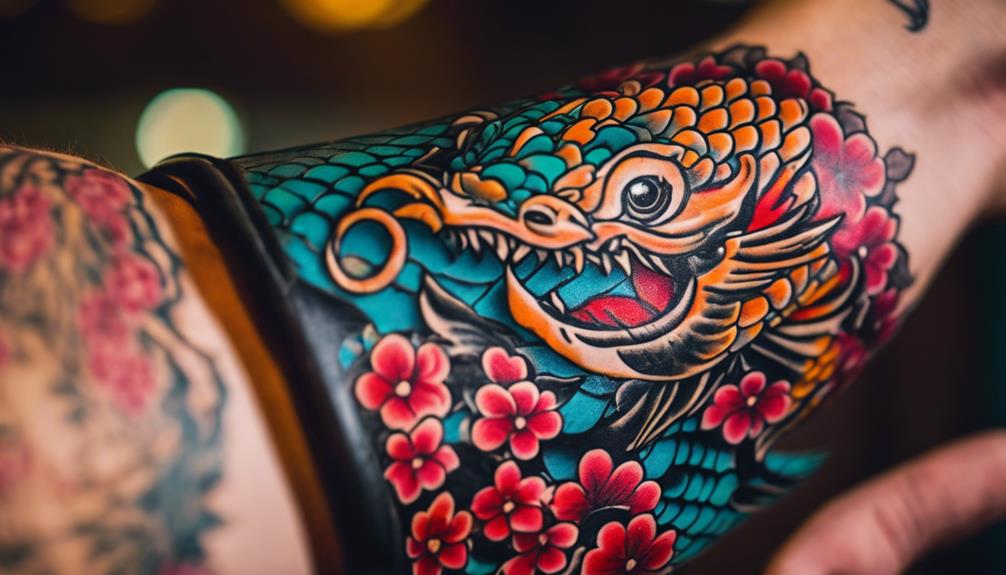
Creating a captivating Japanese sleeve forearm tattoo requires careful consideration of the arm's shape and anatomy.
Choose a central motif like a koi fish or dragon as the focal point. This main element will guide the placement of other imagery.
Work with the forearm's natural contours to enhance the design's flow.
Add background elements such as waves or cherry blossoms to create depth and fill empty spaces.
Balance colors throughout the sleeve for a cohesive look.
Connect different motifs to tell a story across the tattoo.
Consider how the design appears when the arm is straight and bent to ensure it looks good in various positions.
This approach helps create a harmonious and visually striking sleeve tattoo that complements the wearer's arm.
Color Theory in Japanese Tattoos
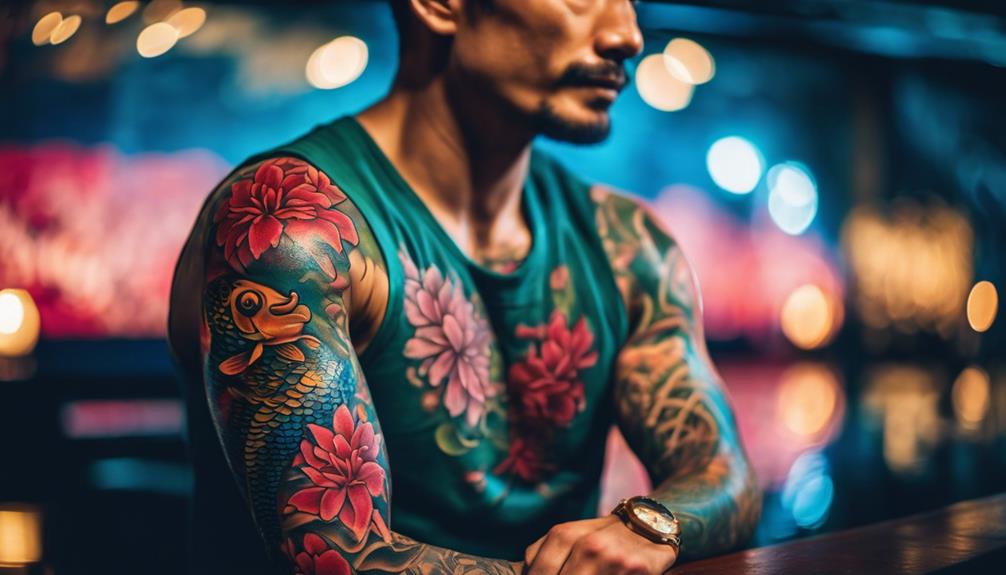
Japanese sleeve tattoos draw on a rich palette of colors and symbolism.
The art of Irezumi uses black, red, yellow, and blue as primary hues, with green and purple as secondary choices. Each color carries deep cultural meaning.
Black ink creates contrast and outlines, while red represents passion and strength.
Blue symbolizes water and wisdom, often seen in wave or dragon designs.
Yellow signifies wealth, and green embodies nature's growth.
Purple, less common, denotes nobility and spiritual aspects.
Tattoo artists blend these colors to create visually striking designs.
They use complementary hues for bold effects and similar shades for subtler looks.
Careful placement and intensity of colors help achieve balance in the artwork.
Understanding these principles allows artists to create authentic Japanese sleeve tattoos.
These designs honor tradition while appealing to modern tastes.
The result is a harmonious blend of cultural significance and visual appeal.
Placement and Flow Considerations
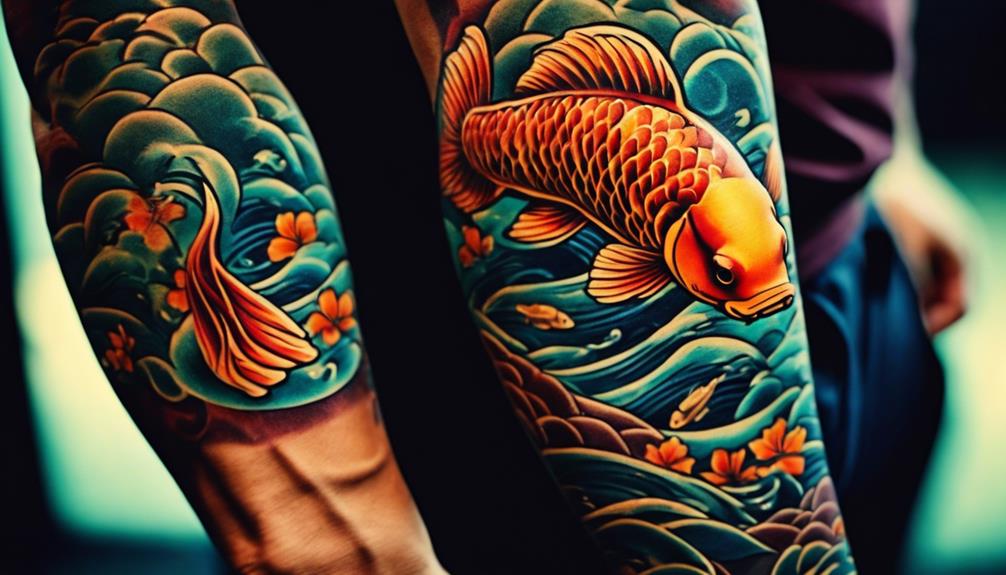
Placement and Flow in Japanese Sleeve Tattoos
The positioning and movement of elements in a Japanese sleeve tattoo are crucial for a unified and impressive design. Artists consider the arm's shape to place key motifs effectively.
The design should wrap smoothly around the forearm and blend into the upper arm for full sleeves. Japanese tattoos often use wave, wind, or cloud backgrounds to link various elements.
These components create visual flow and unite the composition. Artists balance intricate details with negative space to prevent clutter and enhance contrast.
Careful planning of focal points, like central characters, ensures visibility in different arm positions. A well-crafted Japanese forearm sleeve combines detailed artistry with overall balance and fluidity.
The result is a visually striking tattoo that respects traditional aesthetics while adapting to the wearer's unique physique.
Popular Motifs and Imagery
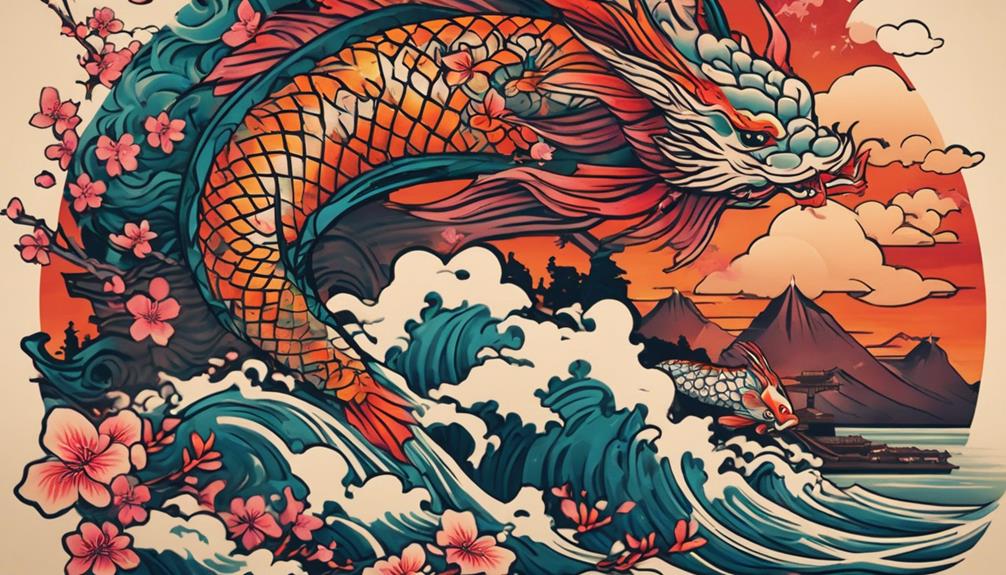
Japanese sleeve forearm tattoos showcase iconic imagery rooted in the country's traditions. These designs often feature koi fish, dragons, and cherry blossoms, representing strength, wisdom, and life's fleeting nature.
Samurai warriors and geishas are popular choices, symbolizing honor and beauty. Nature-inspired elements like waves and clouds form intricate backgrounds, enhancing the overall composition.
Mythical creatures such as phoenixes and oni add depth to the artwork. Religious symbols from Buddhism and Shinto may be incorporated, reflecting Japan's spiritual heritage.
Bold lines and vibrant colors characterize these tattoos, creating visually striking sleeves. Each design tells a unique story on the wearer's skin, blending cultural symbolism with personal meaning.
Traditional Japanese tattoos, known as 'irezumi', require skilled artistry. Artists must understand the cultural significance of each motif to create meaningful and authentic designs.
The popularity of Japanese sleeve tattoos has grown globally. Many enthusiasts appreciate the rich symbolism and artistic tradition behind these intricate designs.
Blending Traditional and Modern Styles
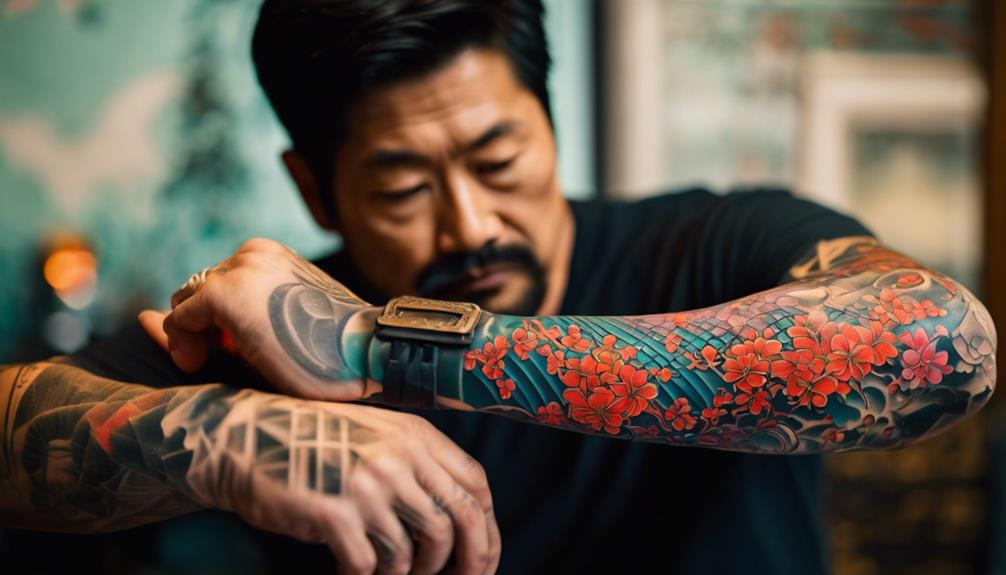
Artists are blending traditional Japanese motifs with modern styles in sleeve forearm tattoos.
This mix creates a unique look that honors Japanese tattooing history while using new techniques.
Designs often include classic elements like koi fish and cherry blossoms alongside abstract shapes.
Artists use vibrant colors and bold black lines, typical of Japanese tattooing, with modern methods like watercolor and realism.
Careful consideration of arm contours and negative space ensures a balanced design that complements the wearer's body.
Artists reimagine traditional symbols, such as dragons and phoenixes, in contemporary styles for personalized tattoos.
This fusion requires deep knowledge of Japanese tattoo culture and the ability to innovate within established norms.
The result is distinctive and captivating artwork that bridges past and present.
Tattoo Aftercare for Sleeve Designs
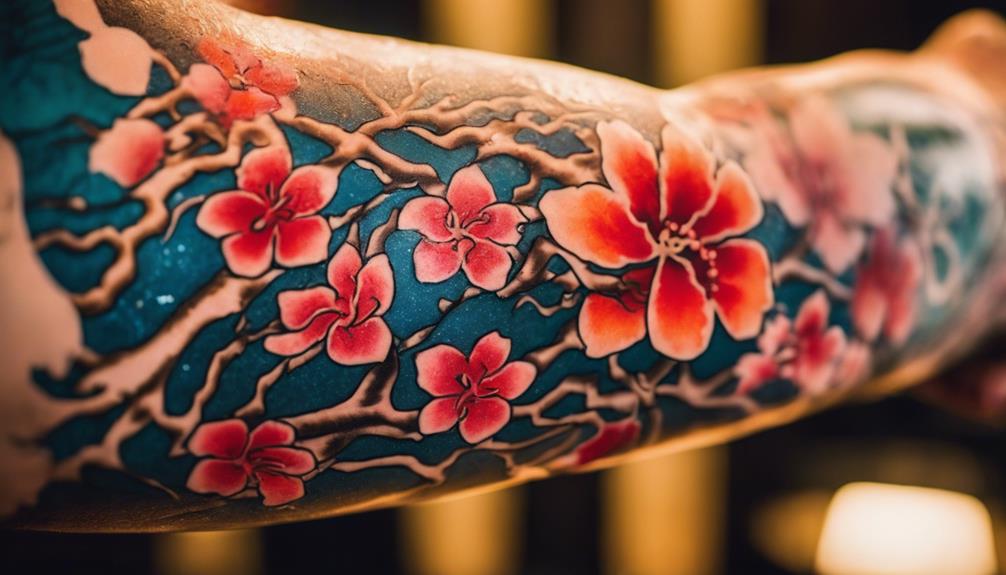
Proper aftercare is crucial for sleeve tattoos.
Clean the area with mild, unscented soap and apply a thin layer of tattoo balm to promote healing and prevent infection.
Avoid sun exposure and water immersion for 2-3 weeks after getting inked.
Pat dry gently with a clean towel to prevent scabbing.
Apply a thin layer of antibiotic ointment 2-3 times daily to ward off infection and aid healing.
Regular check-ups with your tattoo artist help monitor the healing process.
Following these steps carefully preserves the vibrancy and longevity of your sleeve tattoo, maintaining its artistic quality for years.
Choosing the Right Artist
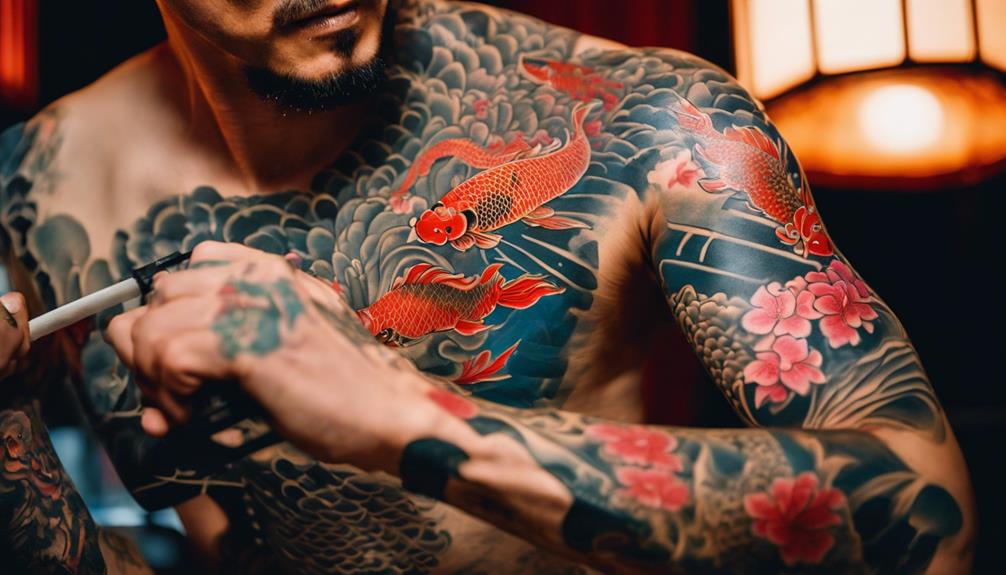
Finding the Perfect Japanese Sleeve Artist
Researching tattoo artists for a Japanese sleeve forearm design requires careful examination of their portfolios.
Focus on their skill with intricate linework, shading, and color application specific to Japanese-style tattoos.
These elements are crucial for achieving an authentic and visually striking result.
Meeting potential artists for consultations is essential.
This allows you to communicate your ideas clearly and discuss design elements, placement, and overall aesthetics.
During these meetings, you'll gain insight into the artist's expertise and creative approach.
Understanding of Japanese tattoo symbolism and traditions is vital for your sleeve project.
A knowledgeable artist will ensure your design respects cultural significance while meeting your personal vision.
This collaboration between you and the artist will result in a truly unique and meaningful tattoo.
Research Artist Portfolios
Examining an artist's portfolio is key when selecting a tattoo professional for a Japanese sleeve forearm piece.
A comprehensive portfolio displays the artist's skill, creativity, and expertise in Japanese designs. Check for irezumi-style examples, focusing on linework detail, shading methods, and color intensity.
Review the artist's grasp of classic Japanese symbols like koi, dragons, and cherry blossoms. Assess their ability to create flowing designs that complement forearm shapes.
Look for healed tattoo examples to understand how the work ages.
Evaluate the artist's range within Japanese tattoo styles. Some might prefer bold graphics, while others excel in subtle, painterly approaches.
Notice how they use negative space and incorporate background elements. A strong portfolio shows consistent quality across various Japanese tattoo styles, indicating the artist's proficiency in creating impressive sleeve forearm tattoos.
Consultation and Communication
Choosing Your Tattoo Artist
Scheduling consultations with potential artists is crucial after reviewing portfolios. This step helps ensure your vision aligns with the artist's expertise and style.
Prepare specific questions about their experience with Japanese-style tattoos, techniques, and custom designs. Discuss your concept thoroughly, including motifs, colors, and composition. Pay attention to the artist's responses and willingness to collaborate.
Observe the artist's professionalism during the consultation. A skilled professional should offer insights on forearm sleeve designs, addressing flow and placement of key imagery. They should also explain technical aspects like ink saturation and color longevity on different skin tones.
Effective communication continues beyond the initial meeting. Ask for a detailed outline of the tattooing process, including expected sessions, healing time, and aftercare instructions. This thorough approach helps you make an informed decision and sets the stage for a successful Japanese sleeve forearm tattoo.
Pain Management During Sessions
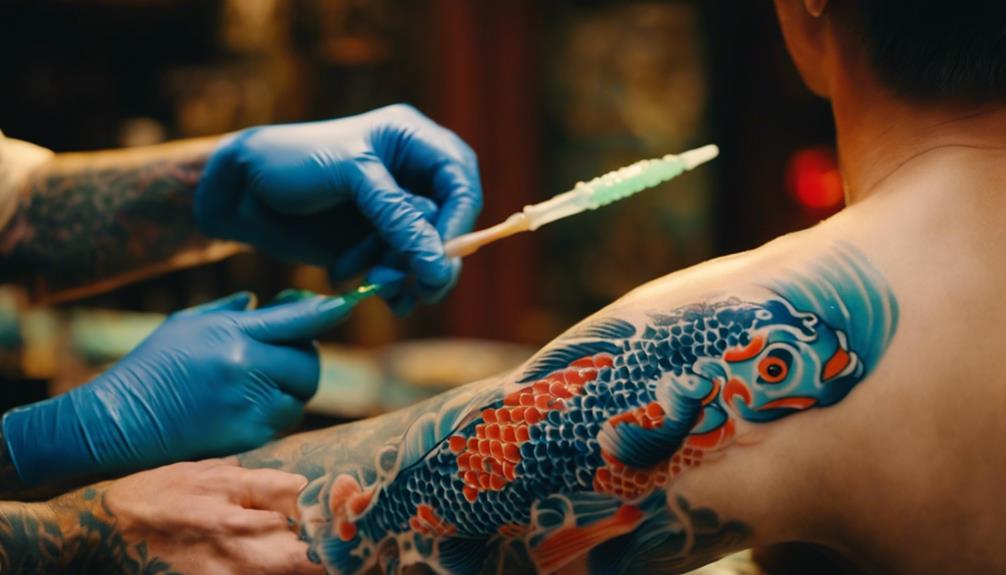
Managing Pain During Japanese Sleeve Forearm Tattoos
Effective pain management is crucial for creating stunning Japanese sleeve forearm tattoos.
Mental techniques like deep breathing and meditation help clients stay calm during sessions. Topical numbing creams can reduce physical discomfort.
Breaking sessions into shorter intervals with regular breaks helps clients cope better. Open communication between the artist and client is key to adjusting the process for comfort.
Some artists use gentler machines or provide stress balls to ease tension. Tattoo artists might recommend over-the-counter pain relievers before sessions.
Staying hydrated and well-rested can improve pain tolerance. Wearing comfortable clothing and bringing entertainment like music or podcasts can distract from discomfort.
Experienced artists often develop personalized pain management strategies for each client. They may adjust their technique or focus on less sensitive areas when needed.
Post-session care instructions help manage discomfort and promote proper healing.
Cultural Significance and Etiquette
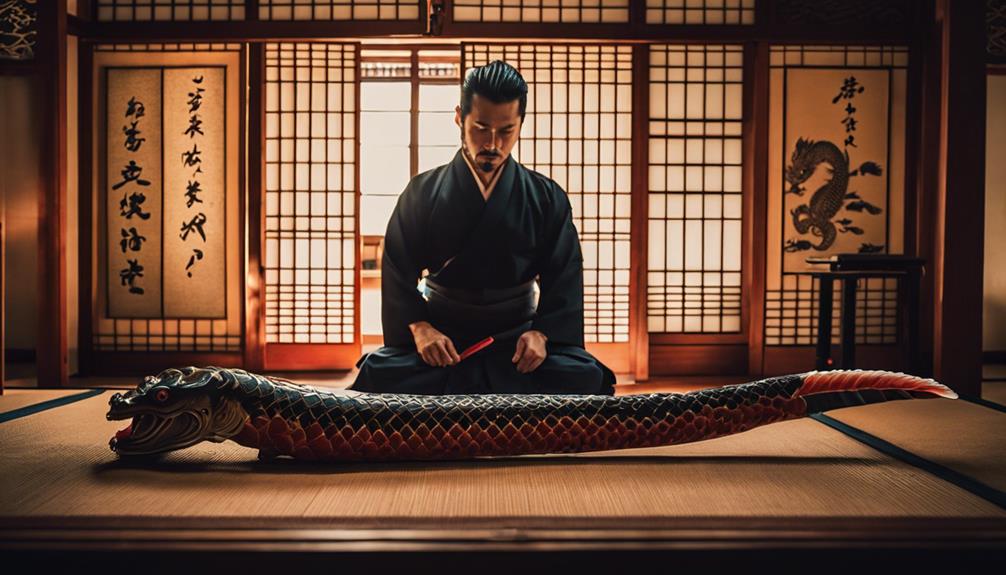
Japanese sleeve forearm tattoos hold deep cultural significance, rooted in history and tradition. These designs often represent spiritual beliefs, social status, and elements from nature, carrying profound meanings.
Attitudes toward tattoos in Japan have shifted over time. Younger generations increasingly view them as a form of self-expression, although some communities still hold onto older stigmas.
Choosing a Japanese sleeve forearm tattoo requires careful consideration. Respect for traditional designs and their meanings is crucial, as is understanding the cultural weight they carry.
Proper etiquette in displaying these intricate artworks is important. This includes being mindful of settings where tattoos might be viewed negatively and covering them when appropriate.
The process of getting a Japanese sleeve forearm tattoo can be lengthy and expensive. It often involves multiple sessions with a skilled artist who understands the nuances of traditional Japanese designs.
Historical Context and Symbolism
Japanese Sleeve Tattoos: Cultural Significance
Japanese sleeve tattoos, known as 'Irezumi,' have a rich history dating back to 5000 BCE. Clay figurines from this era show tattoo-like markings, indicating the practice's ancient roots.
During the Edo period (1603-1868), tattoos evolved from status symbols to representations of bravery and strength. This shift also saw tattoos used as punishment for criminals, adding complexity to their cultural meaning.
Irezumi incorporates elements from Chinese and Buddhist traditions. Common motifs include koi fish, waves, and cherry blossoms, symbolizing perseverance, transformation, and the fleeting nature of life.
Despite their artistic value, Japanese tattoos face stigma in some communities. Regulations vary across public spaces, highlighting the tension between tradition and modern sensibilities in Japanese society.
These intricate designs reflect societal values, spiritual beliefs, and cultural norms. The forearm serves as a canvas for powerful symbols, showcasing the wearer's connection to Japanese heritage and artistry.
Modern Perceptions and Acceptance
Japanese Sleeve Tattoo Perceptions
Modern views on Japanese sleeve forearm tattoos are complex. They blend traditional stigma with growing acceptance, especially among younger people reconnecting with their cultural roots through body art. Some places like hot springs and gyms still ban tattoos, but many now appreciate their artistic and cultural value.
Sleeve tattoos offer Japanese men a way to express themselves and celebrate their heritage. The art form's rich history, dating back to the Edo period, gives depth to modern designs. As global interest grows, local artists mix old techniques with new ideas, breathing fresh life into the craft.
Tattoo etiquette in Japan requires careful consideration. While younger generations embrace body art, respecting cultural norms remains crucial. Men with sleeve tattoos must balance societal expectations with their desire for self-expression, honoring the art's historical and spiritual significance.
Cultural Shift and Artistic Renaissance
The growing acceptance of tattoos in Japan reflects broader social changes. Artists are pushing boundaries, creating intricate designs that blend traditional motifs with contemporary themes. This fusion attracts both locals and international enthusiasts, sparking a revival in Japanese tattoo artistry.
Navigating Social Norms
Tattoo wearers in Japan often face challenges in public spaces. They must be mindful of where and when to display their art. Some choose to cover up in certain settings, while others advocate for greater acceptance. This ongoing dialogue shapes the evolving perceptions of tattoos in Japanese society.
Global Influence and Cultural Exchange
The popularity of Japanese tattoo art worldwide has influenced its status at home. Foreign admirers have helped spark renewed interest among Japanese youth. This cultural exchange has led to a reevaluation of tattoos as a valid form of artistic expression and cultural preservation.
Respect for Traditional Designs
Japanese sleeve forearm tattoos hold deep cultural importance and require careful consideration.
These intricate designs symbolize strength, power, and spiritual growth, with roots tracing back over 10,000 years to the Jomon period.
Mastering this art form demands recognition of its multifaceted symbolism. Originally used to indicate social status, wealth, and spiritual beliefs, these tattoos incorporate influences from Chinese and Buddhist traditions.
The tumultuous history of Japanese tattoos includes a 19th-century ban and stigmatization. This background is crucial for appreciating their cultural significance and creating authentic designs.
Artists and enthusiasts should approach Japanese sleeve tattoos with reverence. By understanding the deep-seated traditions and cultural nuances, practitioners can create meaningful designs that honor the art form's legacy while embracing modern interpretations.
Respecting traditional motifs and symbolism is essential when working with Japanese sleeve forearm tattoos. This approach ensures the preservation of the art form's rich heritage and cultural integrity.
Contemporary artists often blend traditional elements with modern techniques. This fusion allows for creative expression while maintaining a connection to the historical roots of Japanese tattoo art.
Frequently Asked Questions
How Many Hours Does a Japanese Sleeve Tattoo Take?
Japanese sleeve tattoos take 10-50 hours to complete.
Design complexity affects tattoo completion time significantly.
What Is a Japanese Full Sleeve Tattoo Called?
Japanese full-sleeve tattoos cover arm from shoulder to wrist.
Irezumi and horimono are common names for these tattoos.
Which Arm Is Best for Forearm Tattoo?
Personal choice matters most for forearm tattoo placement.
Consider dominant hand and design when choosing arm.
What to Add to a Japanese Sleeve?
Personalize sleeve with meaningful symbols and images
Mix traditional Japanese art with modern designs