
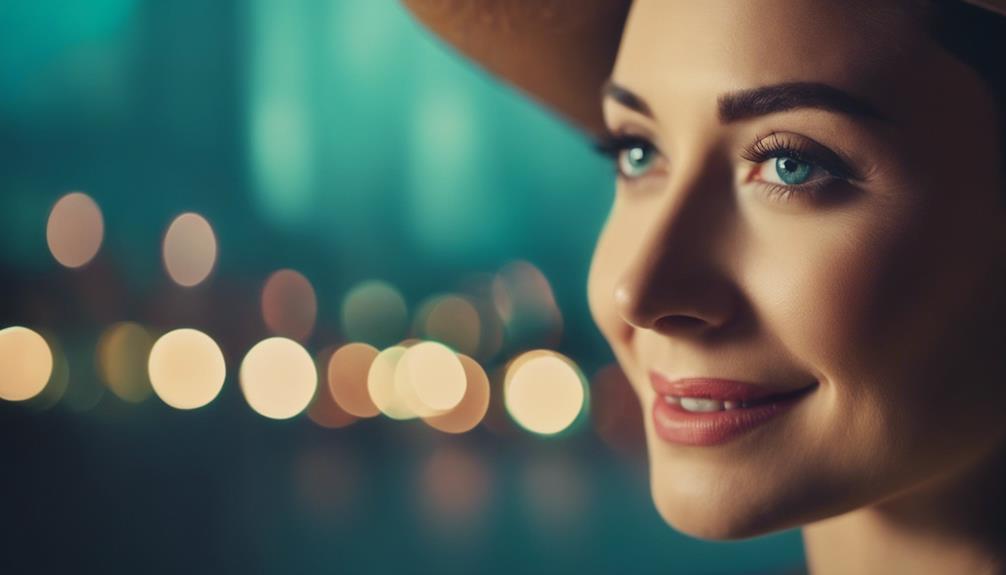
Advancements in unconditional face generation, facilitated by StyleGAN and other AI models, have substantially transformed the domains of digital creativity, virtual reality, and various practical applications.
StyleGAN2 achieves a FID score of 118.097, opening doors for creative possibilities.
The data-centric approach of StyleGAN-Human examines critical factors contributing to successful unconditional generation, leveraging a dataset of over 230,000 images with diverse poses and textures.
This technology not only enhances virtual reality experiences but also bolsters security and surveillance systems.
Table of Contents Toggle
- Key Takeaways
- Unveiling Lifelike Face Generation
- Face Generation With Stylegan
- Data-Centric Approach to Faces
- Image Synthesis as an Art
- Photorealistic Faces for Virtual Reality
- Enhancing Image Recognition Algorithms
- AI-Generated Faces for Security Applications
- Frequently Asked Questions
Key Takeaways
This text outlines three key takeaways about Unconditional Face Generation using StyleGAN:
StyleGAN-Human: Advances in Photorealistic Image Creation using StyleGAN-Human highlight the significance of data engineering for unconditional human image generation.
Face Synthesis: Unconditional image synthesis creates Lifelike Faces for enhanced virtual reality and surgical planning applications.
AI Applicability: Trainable Models generate nuanced image analyses for diagnosing medical disorders and augment facial recognition systems for security, law enforcement, and healthcare.
Unveiling Lifelike Face Generation
Advancements in StyleGAN, particularly StyleGAN2, have significantly contributed to the creation of lifelike face images, achieving a FID score of 118.097 and opening the door for a wide range of applications and creative possibilities.
This significant leap in unconditional face generation was made possible by adopting a data-centric approach, which deeply investigates the impact of data size, distribution, and alignment on model performance.
The availability of large-scale datasets like SHHQ-1.0, containing over 230K diverse samples, has greatly enhanced the capabilities of these models.
StyleGAN-based face generation models have immense potential applications. For instance, they can be leveraged in the creative industry to generate artistic portraits, or in data augmentation to improve the robustness of face detection systems.
Face Generation With Stylegan
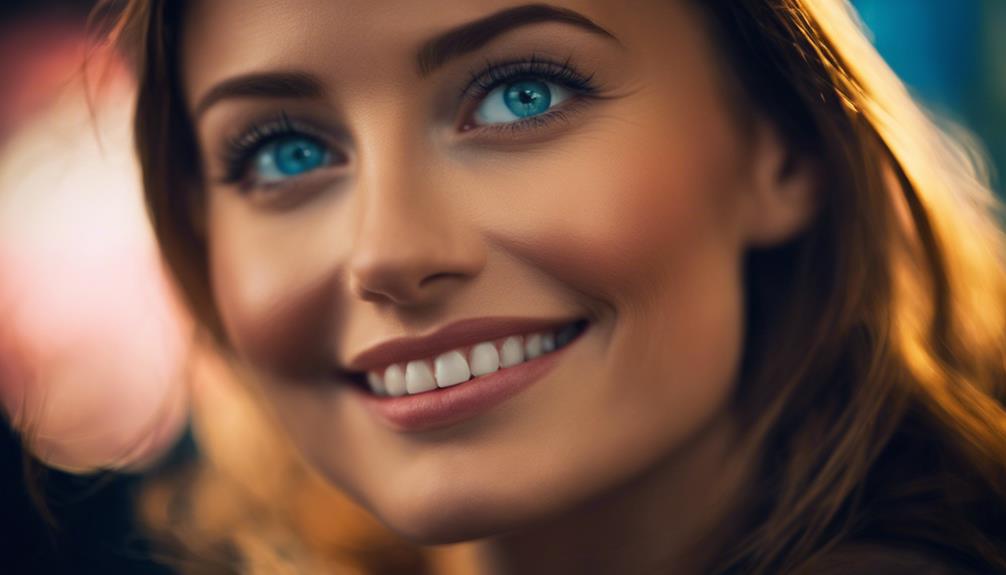
Face Generation With StyleGAN
Revolutionizing Face Generation
StyleGAN-based models, known for unconditional face generation, have significantly advanced the capabilities of creating photorealistic images.
With StyleGAN, users can now generate high-resolution images of unprecedented quality. The key feature of StyleGAN is that it can produce high-quality images progressively through resolution enhancements, incorporating detailed styles into the generative process for more realistic results.
The Uses of StyleGAN
The uses of StyleGAN extend beyond face generation to encompass multiple areas such as image manipulation and video synthesis. The model's capabilities include face editing, inversion, and interpolation, providing a suite of tools for exhaustive image manipulation.
The applications of StyleGAN models are vast, including artistic expression, data augmentation, and virtual reality, where lifelike images are paramount.
Advancements in StyleGAN Models
The StyleGAN models have consistently shown improvements regarding image quality and stability.
StyleGAN2 and StyleGAN3, for example, have enhanced results by removing artefacts and achieving ‘alias-free' images.
These advancements have opened the door for generating entire videos and animations, expanding significantly the possibilities within the sphere of image generation and manipulation.
Data-Centric Approach to Faces
Through meticulous engineering and large-scale datasets, the StyleGAN-Human project reveals the potential to generate lifelike human faces by examining the pivotal aspects of data engineering.
By focusing on the data-centric approach, researchers have been able to create an exhaustive study on the factors that contribute to successful unconditional generation.
This has led to the development of the SHHQ-1.0 dataset, comprising over 230,000 images characterized by diverse poses and textures.
Experiments on this dataset have shed valuable insights into the role of data size, data distribution, and data alignment in generating high-quality faces.
The significance of this data-centric perspective lies in the ability to tailor datasets that can effectively train generative models.
The use of SHHQ-1.0 and similar datasets can help uncover the intricate relationships between data properties and generated output.
This understanding will be vital in optimizing the performance of StyleGAN and similar generative models, ensuring that they can generate facial images of immense realism and diversity.
Image Synthesis as an Art
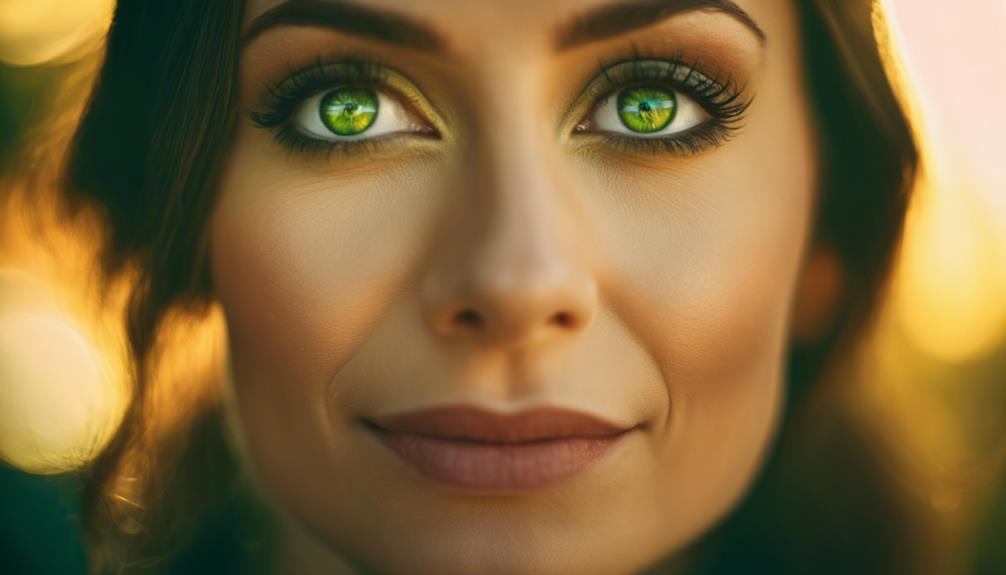
Unconditional Image Synthesis in Artistic Expression
Unconditional image synthesis is revolutionizing digital creativity, allowing artists to create entirely novel, high-fidelity images that defy the bounds of conventional techniques.
By harnessing the power of diffusion models like google/ddpm-celebahq-256, which synthesize photorealistic images that rival real-world photographs, artists can fully immerse themselves in the creative process, revealing new levels of innovation and imagination.
Breaking Boundaries of Traditional Art
Unconditional image synthesis offers extensive possibilities for artistic exploration by producing images that are entirely new and devoid of any pre-existing inspiration.
This technology has the potential to reshape the fabric of the art world, inviting novel forms of creative expression and bringing forth the unexplored depths of human ingenuity.
The utilization of unconditional image synthesis as an art form is poised to make a significant mark on the annals of artistic history.
Artistic Freedom and Novelty
Unconditional image synthesis can capture the intricate details and nuances that bring a scene to life.
Models such as those based on diffusion probabilistic models generate images that are almost indistinguishable from real-world photographs, pushing the limits of what is possible in digital art.
This technological advancement opens new avenues for novelty and innovation within the artistic sphere, allowing artists to tap into their full potential.
The Future of Digital Art
In the realm of digital creativity, unconditional image synthesis offers a significant step forward in artistic expression.
By leveraging diffusion models, artists can create unprecedented visual representations that push the boundaries of traditional art.
The potential for artistic exploration and innovation in this field is immense, and its impact on the art world is poised to be substantial.
Art, Innovation, Creativity.
Photorealistic Faces for Virtual Reality
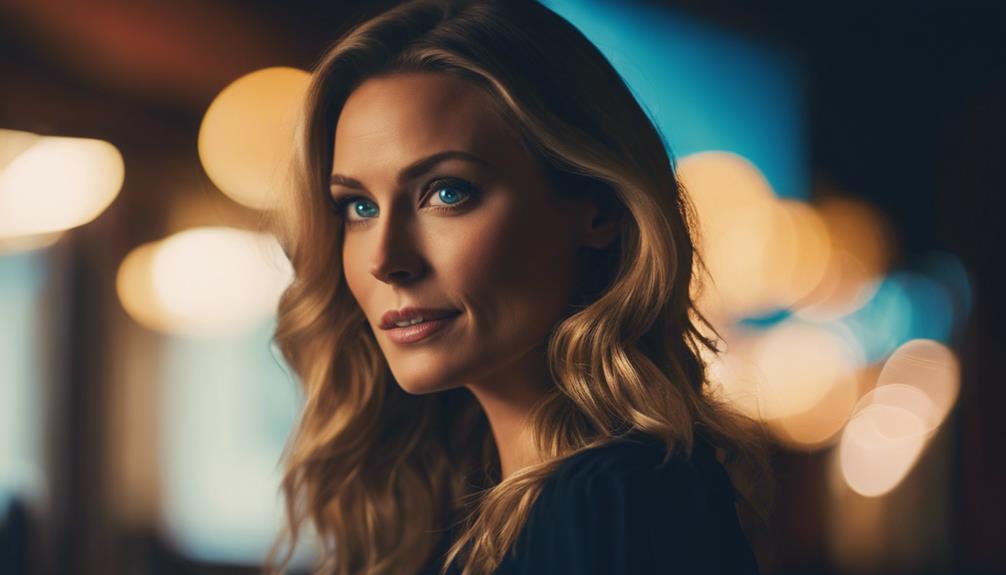
Unconditional image synthesis plays a crucial role in creating exceptional virtual reality experiences by generating photorealistic faces that blur the line between the digital and real worlds. This technology can significantly enhance the immersive quality of virtual environments by creating faces that appear astonishingly real.
The google/ddpm-celebahq-256 model has demonstrated its ability to generate high-quality images, including photorealistic faces, thanks to its large and extensive training dataset.
StyleGAN-Human focuses on data engineering aspects, utilizing a substantial dataset known as SHHQ-1.0 to capture diverse poses and textures. This dataset facilitates in-depth studies on generating realistic faces for virtual reality applications.
Diffusion models, such as the Latent Diffusion Model (LDM), can synthesize high-resolution images, including photorealistic faces, which can substantially enhance the virtual reality experience. By integrating these advancements, unconditional image generation can revolutionize virtual reality, providing users with lifelike interactions that bridge the gap between the digital and the real.
Enhancing Image Recognition Algorithms

Enhancing Image Recognition Algorithms
Synthetic Data Augmentation
The integration of unconditional image generation models into existing datasets enables the creation of more extensive and diverse training sets, thereby boosting the accuracy and robustness of image recognition algorithms.
This is particularly crucial for models trained on datasets with limitations, such as a limited number of available images.
Augmentation with synthetic images generated by unconditional models like the google/ddpm-cifar10-32 model, which has shown high-quality synthesis results on CIFAR-10, can enhance the robustness and generalization capabilities of image recognition algorithms.
AI-Generated Faces for Security Applications
AI-Generated Faces for Security Applications
Harnessing AI Faces and Facial Recognition
Blending AI-generated faces with advanced facial recognition technology like OpenCV offers significant potential for bolstering security applications.
AI-generated faces can enhance facial recognition algorithms by providing a broader pool of diverse faces, improving their ability to identify individuals.
This collective power can be particularly beneficial in law enforcement, where AI-generated faces can be used to create composite portraits of suspects or missing persons, facilitating investigations and identifications.
Medical Imaging Applications
AI-generated faces can also be used in medical imaging to analyze anatomical features, potentially leading to breakthroughs in patient treatment.
The use of AI-generated faces for these purposes demands a thorough inspection of ethical considerations, including privacy and identity concerns, as well as potential biases in facial recognition systems.
Integrating Facial Recognition Capabilities
CompreFace, a comprehensive system for integrating facial recognition capabilities, offers a wide range of features that can be elevated by AI-generated faces, enabling seamless human detection and tracking capabilities.
As AI-generated faces continue to advance, their amalgamation with facial recognition technology will usher in a new era of heightened security and precision.
Frequently Asked Questions
What Is Unconditional Generation?
Unconditional Generation
Unconditional generation involves training models on data distributions to produce novel, diverse images without prompts, enhancing realism and flexibility.
What Is Conditional Image Generation?
Conditional Image Generation
Conditional image generation generates images based on specific conditions, allowing for precise control over output.
It leverages model architectures to respect image constraints and is often used for data augmentation.
This technique enhances the efficiency of image creation by respecting specific image constraints.
What Is Unconditional Video Generation?
Unconditional video generation synthesizes coherent, realistic, and diverse videos without input by sequentially refining random noise vectors.