
Photorealistic art can achieve lifelike details and precise nuances without traditional brushwork. Instead, artists employ unique techniques involving unconventional tools and creative methods to capture textures and layers.
This approach transcends conventional brushwork, offering unique textures and layered effects.
Alternative tools like Preval sprayers, natural sponges, rags, and textured rollers allow artists to create specific marks and textures more efficiently.
For instance, sponges can add soft, blurred textures for sky and hill areas, while textured rollers can create detailed leaf textures.
By incorporating these tools, artists are forced to think creatively and problem-solve, often leading to surprising and effective results.
Scenic Artists, in particular, often need to paint quickly and effectively.
Using a variety of tools can help streamline this process and save time.
Techniques like cartooning, where a light charcoal outline is used to guide the painting, can further enhance the quality and precision of the artwork.
Table of Contents Toggle
- Key Takeaways
- Alternative Painting Techniques
- Crafting Photorealistic Images
- Using Grids for Accuracy
- Transferring With Projectors
- Brushes Are Not Necessary
- Unconventional Art Supplies
- Painting With Household Items
- The Case for Abstract Art
- Paint Without Conventional Tools
- Creating Without Brushstrokes
- Frequently Asked Questions
Key Takeaways
Photorealistic Paintings can be created without traditional brushes by using:
Airbrushes and spray guns to control paint over small or large areas.
Unconventional Tools like credit cards and squeegees for precise details.
Dripping and Splattering to enhance texture and movement.
Alternative Painting Techniques
In the domain of contemporary art, unconventional techniques have emerged, enabling artists to transcend traditional brushstrokes and create singularly photorealistic artworks.
Ebru, or marbling, dating back to the 15th century, employs water, paint, and paper to produce unique designs that can even mimic photerealism.
Similarly, pouring acrylic paint onto a canvas can create unique, one-of-a-kind artworks that defy the need for brushes.
Pointillism, a technique using small dots applied in patterns, can also be used without brushes. By leveraging cotton buds to create these dots, artists can produce photorealistic images.
Splattering techniques also add to this repertoire by employing unconventional tools like toothbrushes or sticks to add texture and realism.
Dripping paint onto a canvas is another method that creates unique, abstract designs focusing on texture and movement.
These innovative techniques not only expand the possibilities of art supplies but also show how photorealistic painting can thrive without using a brush.
Crafting Photorealistic Images
Crafting photorealistic images requires a deep understanding of perspective, proportion, and layering techniques.
These fundamental elements, often honed in painting, are vital in creating lifelike and detailed artwork.
Artists must meticulously study and translate proportions into perspective, a skill that can be honed through grid-based drawing techniques.
Layering techniques play a significant role in adding depth and dimension to art, especially in digital formats.
Underpainting, blending, and masking enable artists to create a rich and textured visual experience.
For instance, underpainting sets the foundation for subsequent layers of color, while blending helps to seamlessly merge different shades and hues.
AI-assisted Photorealistic Art
In the domain of photorealistic art, AI tools like Stable Diffusion XL (SDXL) have become instrumental in generating images that are strikingly lifelike.
These tools can effectively blend traditional photography principles with advanced prompt techniques, producing photorealistic portraits that capture every detail.
Using Grids for Accuracy
Using Grids for Accuracy
By dividing both the reference photo and the canvas into a grid, artists can ensure that the proportions of their subjects are accurately translated onto canvas.
This approach involves focusing on smaller sections of the image to guarantee a more accurate representation.
Effective use of the grid relies on maintaining proportionality between the reference and the canvas, as distortion can occur if these proportions are not matched.
Artists can use digital tools like Adobe Photoshop or manual techniques with graphite and rulers to create the grid.
Photorealistic Quality
A well-executed grid, combined with photographically precise references and meticulously chosen paints, can significantly elevate the photorealistic quality of a piece.
Artists employing grid techniques can achieve an uncanny level of detail and precision in their work by methodically transferring the image from photo to canvas, section by section.
Artistic Styles
This approach can be tailored to suit different artistic styles, making it an invaluable tool in the quest for photorealism.
Transferring With Projectors
Transferring With Projectors:
Projectors and Precision
Projectors are ideal for large-scale mural creation, offering precision alignment and unlimited coverage when transferring designs to walls. They facilitate the process of creating detailed art efficiently.
For instance, the Pico Genie M550 projector allows artists to project high-quality images onto large surfaces, making it perfect for detailed landscapes.
Achieving Realism
In photorealistic art, projectors provide a means of transferring images effectively. They can be combined with traditional techniques such as the grid method, which involves dividing a reference photo into small increments for accuracy and precision.
This combination enhances the level of detail and realism in the final artwork.
Advantages of Projectors
Projectors guarantee precision in transferring designs, especially when used with traditional methods. They enable artists to create detailed and realistic artwork efficiently.
Brushes Are Not Necessary
In the pursuit of photorealism, the creative tools employed often extend beyond traditional brushes, as various unconventional techniques and materials can similarly yield remarkable detail and realism in artwork.
Jackson Pollock's abstract expressionism exemplified this by pouring and splattering paint to achieve intricate, detailed patterns.
Unconventional art supplies like fingers, bubble wrap, sponges, and even credit cards can be employed to create unique textures and effects.
Iris Scott, for instance, uses oil finger painting to create vibrant, detailed canvases, proving that brushes are not necessary for high-quality artwork.
Alternative tools like sponges, spatulas, scrapers, paint rollers, and airbrushes offer a range of possibilities for artists to explore in their quest for photorealism.
These unconventional methods allow for innovative approaches to painting without brushes, pushing the boundaries of what is possible in photorealistic art.
Photorealism, innovative techniques, and unconventional tools all contribute to this expanded artistic landscape, encouraging artists to experiment and explore new ways to create detailed, realistic art.
Unconventional Art Supplies
Unconventional art supplies offer a diverse and multifaceted array of techniques that deviate from traditional tools, presenting artists with opportunities to create innovative, photorealistic art.
These unorthodox materials range from common office supplies to unconventional natural materials and even technology-based tools.
Painting by numbers and large canvas kits provide a structured approach to photorealism, allowing artists to build detailed images using precise color placement. These kits are particularly useful for artists less skilled in traditional brushwork, as they provide a pre-designed template for creating photorealistic art.
Natural materials provide an array of textures and colors that can be used to create unique and lifelike images. For example, collecting plants, rocks, and fossils can provide inspiration and materials for painting directly on paper. Fossil embedding into sculptures adds a new dimension to art, allowing intricate details to be depicted.
Unconventional art supplies allow artists to push boundaries and reimagine the possibilities of photorealistic art. By embracing unconventional tools, creators can break free from traditional methods and access new avenues of artistic expression.
Painting With Household Items
Painting With Household Items
Many ordinary household items can be repurposed as dynamic tools for creating unique and enchanting art pieces. In the journey towards photorealistic art, artists often tend to use unconventional objects to achieve specific effects.
One such approach involves pouring acrylic paint onto a canvas, allowing it to flow and settle in unpredictable ways, generating one-of-a-kind artworks.
Splattering paint using items like toothbrushes or sticks can add texture and dynamic energy to a piece.
Pointillism, a style that uses cotton buds to create dots on a canvas, forms an image through the accumulation of tiny points of color. These techniques, when integrated into the painting process, can produce mesmerizing results without the need for traditional brushes.
Artists can also adapt various household items to enhance their creative repertoire. Old trowels from home improvement stores can mimic the broad strokes of palette knives.
Wetting towels and using them to apply paint can create soft, organic patterns.
Combining found objects with paint can yield intriguing textures and patterns that distinguish themselves from the repetition of brush strokes.
Embracing these unusual tools can lead to a diverse range of effects, making the painting process both exciting and unpredictable.
The Case for Abstract Art
The Case for Abstract Art
Challenging Traditions Creative Freedom
For centuries, art has mainly been about representing the world in a realistic manner.
However, the advent of abstract art around 100 years ago marked a seismic shift in artistic expression.
This revolutionary movement defied the traditional conventions of depiction, fostering an unparalleled era of creativity and experimentation.
Abstract art requires hard work and dedication, as it plunges deep into the domain of the intangible and the ambiguous, seeking to convey emotions and ideas without explicit representations.
On a large scale, abstract works can evoke powerful responses, as seen in the dynamic gestures and expansive fields of color employed by artists like Kazou Shiraga and Helen Frankenthaler.
The allure of abstraction lies in its ability to transcend the physical, speaking directly to the viewer's emotion and intellect.
The multifaceted genre continues to intrigue, inspiring artists to push the boundaries of what art can be and how it can be perceived.
Heroes of abstract art, such as Ellsworth Kelly and Agnes Martin, have blazed trails, and their legacies continue to shape the evolution of modern art.
Paint Without Conventional Tools
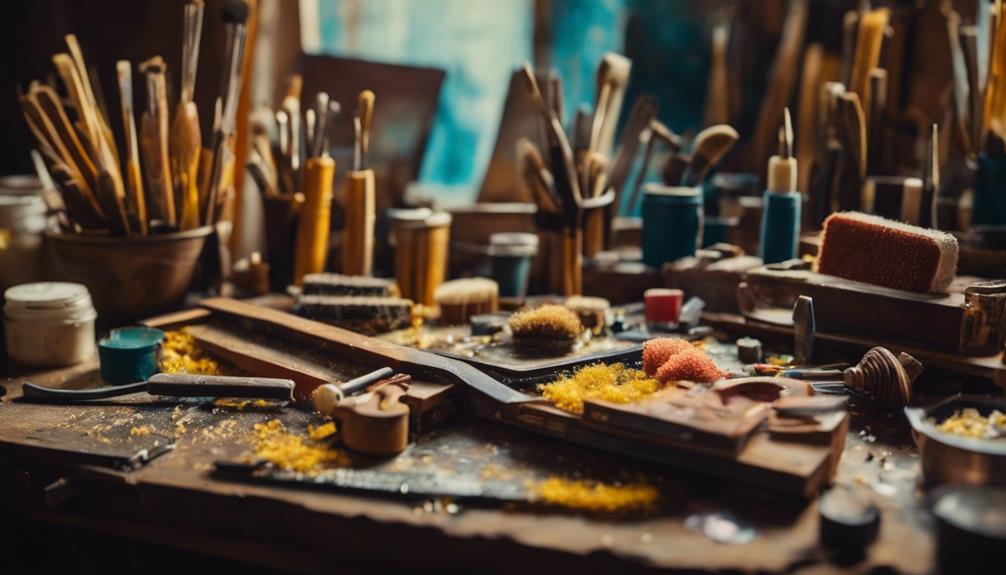
Beyond traditional brushes, innovative tools and techniques are used to create photorealistic art.
Ebru, or Turkish marbling, involves sprinkling colorful pigments onto oily water to generate mesmerizing patterns.
Another technique is finger painting, which uses the artist's fingers to apply paint, creating textured, unique designs.
Artists like Iris Scott have demonstrated the ability to create breathtaking, photorealistic art using unorthodox means.
Creating Without Brushstrokes
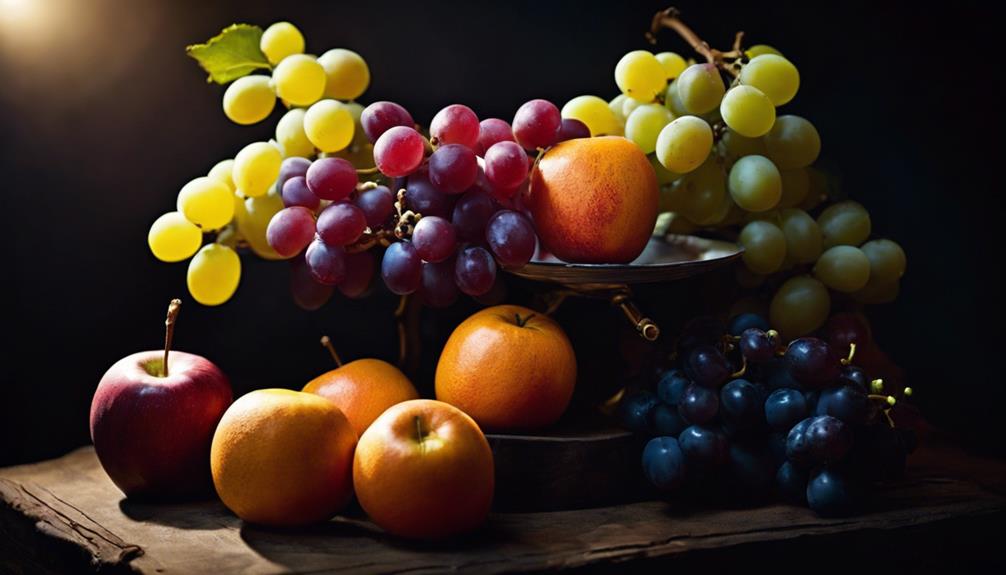
One compelling aspect of photorealistic art lies in its ability to thrive without traditional brushstrokes, demonstrating remarkable versatility in the pursuit of precise and lifelike representations.
Photorealism and alternative tools allow artists to push boundaries in oil and other mediums.
The creation of photorealistic artworks without brushes involves employing methods that achieve textured effects and unique mark-making. These methods include using fingers, sponges, and spatulas to create distinct textures, as well as techniques such as pouring, dripping, and splattering paint to produce unpredicted details.
Airbrushes and spray guns can be utilized to control paint over small or large areas, enabling precise and lifelike details. Unconventional tools like credit cards, window cleaners' squeegees, and toothbrushes can also be used in innovative ways to create these photorealistic paintings.
The variety of methods available opens up new possibilities for artists working in various mediums to experiment and expand the limits of photorealism. This freedom to explore helps artists refine their craft and create more stunningly realistic artworks.
Frequently Asked Questions
What Can I Use if I Don't Have a Paintbrush?
If you don't have a paintbrush, try using alternatives like Q-tips, paper towel rolls, kitchen tools like forks, makeup sponges, or plastic utensils for unique effects and textures.
Q-tips: Use them to create dot patterns or drag for a paintbrush effect.
Kitchen Tools: Experiment with utensils like forks for textured designs.
Makeup Sponges: Try using stipple sponge or other makeup tools for blending and special effects.
What Do You Call Painting Without a Brush?
Unique Painting Techniques
Use digital tools like finger painting or styluses to create artworks.
Employ alternative tools like cotton buds, cloths, or even palms.
Experiment with various materials for distinct textures and styles.
Can You Do Realism With Acrylics?
Realism can be achieved with acrylics by employing techniques such as layering, blending, and detailed strokes to capture nuanced details and textures.
Key takeaways:
Layering helps achieve realistic depth and opacity.
Blending techniques enable smooth color transitions.
Textured brushstrokes mimic natural textures effectively.
How to Make Photorealistic Art?
To create photorealistic art:
Master light sources through meticulous study of reference images.
Manipulate color theory and texture through techniques like glazing and layering.
Apply techniques such as scumbling to achieve highly detailed and realistic artwork.