

Navigating AI’s Influence: The Future of Art
As we enter a new chapter in the art world, the role of artificial intelligence (AI) is becoming increasingly significant. AI’s merge with art sparks discussions about what it means to be creative, who gets called an artist, and the core of human expression. The ability of AI to push the limits of what we consider artistic creation is exciting, yet it introduces complex ethical and practical issues that need careful consideration.
This changing scenario prompts us to rethink our ideas of art and artists and how AI can be integrated into the diverse landscape of human creativity in a way that complements rather than diminishes it.
Integrating AI in art challenges us to balance technology and tradition. It invites a broader understanding of creativity, including human and machine-made art. This shift doesn’t diminish traditional art’s value but adds a new dimension to the art world. As we move forward, it’s crucial to navigate these changes thoughtfully, keeping the essence of human creativity at the heart of all artistic endeavors.
Key Takeaways
- Art evolves with AI, mixing tradition and innovation.
- Ethical, legal, and cultural debates spark necessary discussions.
- Collaboration between human creativity and AI paves future paths.
The AI Art Revolution
AI art has become a key player in a digital awakening, transforming how we think about and create art. With tools like Stable Diffusion and Midjourney at the forefront, these technologies offer artists a new way to explore their creativity. They’ve quickly become favorites among creators, signaling a significant shift in art creation.
The rise in AI-generated art on platforms like Instagram and Twitter highlights its growing appeal and potential to shape popular culture. For instance, Netflix’s ‘The Dog and the Boy’ showcases how AI art can work alongside human artists to produce work that resonates with a broad audience.
However, blending AI with traditional art forms presents its own set of challenges. Despite this, the acceptance of AI in the art world is on the up, with AI creations even receiving awards. As businesses invest in AI to improve efficiency, the intersection of technology and creativity continues to evolve, offering new avenues for artistic expression.
Beyond Human Creativity
AI-driven art is shaping the future of creativity, showing us that the line between human and machine creativity is getting fuzzy. This shift makes us rethink what we see as original art. It’s not just about new tech; it’s a whole new way of looking at how art comes to life.
Artists using AI tools are mixing machine precision with human touch. This partnership opens doors to new artistic forms, letting artists venture into areas they couldn’t before. With AI, they can go beyond traditional limits, creating art that blends human and machine smarts.
The crossroads of AI and art shows the endless possibilities for creative work. It hints at a future where the collaboration between humans and artificial intelligence transforms how we think about art. In this world, AI isn’t just a tool but a partner that broadens the canvas of artistic expression.
Ethical Dilemmas Unveiled
The rise of artificial intelligence in the realm of art introduces tough questions about copyright issues and protecting the rights of creators. As AI tools become more adept at producing art, they challenge how we value human artists and their work. The push for efficiency and lower costs might risk the livelihoods of traditional artists, creating a moral dilemma.
| Ethical Issue | Concern | Solution |
|---|---|---|
| Copyright Infringement | Taking copyrighted materials without approval | Build AI that respects ethical boundaries |
| Intellectual Property | Who owns AI-created art | Pass laws that acknowledge AI’s role in art |
| Employment | Risk to human artist jobs | Use AI to assist, not replace, humans |
| Legal Recognition | Unclear copyright rules for AI art | Set up straightforward legal rules |
| Artist Rights | Fair pay and credit for artists | Make rules for giving artists credit |
Finding a balance is crucial. We must ensure that as we integrate AI into art, we don’t overlook the foundational ethics of creativity and innovation. This means respecting the contributions of human artists while adapting to new technologies.
Ownership and Copyright Issues
The rise of artificial intelligence in creating artwork has sparked a complicated discussion about who owns the rights: the artists or the AI tools they use.
We’re in a time when copyright laws must adapt quickly because technology is moving fast, and it’s not easy for laws to catch up.
This situation calls for a close look at the argument over who should own AI-created content, highlighting the tricky relationship between new technology and established copyright rules.
AI-Generated Art Rights
The world of AI-generated art is full of complex issues related to who owns the art, whether it can be copyrighted, and the ethical dilemmas it presents. These problems aren’t just theoretical; they have practical consequences, shown through legal battles and ongoing discussions.
Ownership raises the question of whether rights belong to the AI, its creator, or the user of the AI. It’s unclear if copyright laws apply to art made by AI as to traditional art. There are ethical worries about AI copying the styles of existing artists without permission. Legal challenges, like the one involving The New York Times, OpenAI, and Microsoft, highlight these issues. The debate continues as AI technology and legal rules keep changing.
Understanding and addressing the rights related to AI-created art is crucial. This requires a deep dive into copyright, ownership, and ethics to navigate the challenges this new form of art presents.
Copyright Laws Adaptation
As the digital age progresses, the art world grapples with how copyright laws should apply to art created by artificial intelligence. This issue has sparked much discussion about who owns AI-created art and the moral aspects involved.
For example, legal battles between the New York Times and tech giants OpenAI and Microsoft have brought to light the urgent need to rethink copyright rules for AI art. These situations reveal deep questions about who has the right to such creations and the ethical issues that come with them.
The ongoing discussions and legal cases are just the start of a complex conversation. They emphasize the necessity of placing ethical concerns at the center as we figure out how to handle the rights to AI-created art. This scenario pushes us to question our old ideas about copyright in the wake of new technological advancements.
Creator Vs. Machine Debate
In the current era, copyright laws are struggling to keep up with technological advances, especially when it comes to machine-generated art. A prime example of this challenge is the legal clash between the New York Times and tech giants OpenAI plus Microsoft over using AI-generated content. This issue isn’t just theoretical; it’s having real-world impacts, sparking lawsuits and raising critical questions about who owns the rights to digital art.
| Aspect | Description |
|---|---|
| Legal Disputes | The fight between the New York Times and OpenAI with Microsoft regarding machine-made art |
| Ownership Dilemmas | Becoming more common in the art scene |
| Moral Questions | Difficulty in determining who the actual creator is |
| Looking Ahead | Continuous debates are reshaping the art world |
| Rights to Content | At the heart of discussions about machine-created art |
Creators and machines are at the center of an ongoing debate, underscored by the struggle to define ownership and copyright in AI-generated art. The art world is watching closely as these discussions unfold, shaping the future of creative work and the laws that protect it. This conversation isn’t just about art; it’s about understanding how technology changes our relationship with creativity and challenges our existing legal frameworks.
AI in Various Art Forms
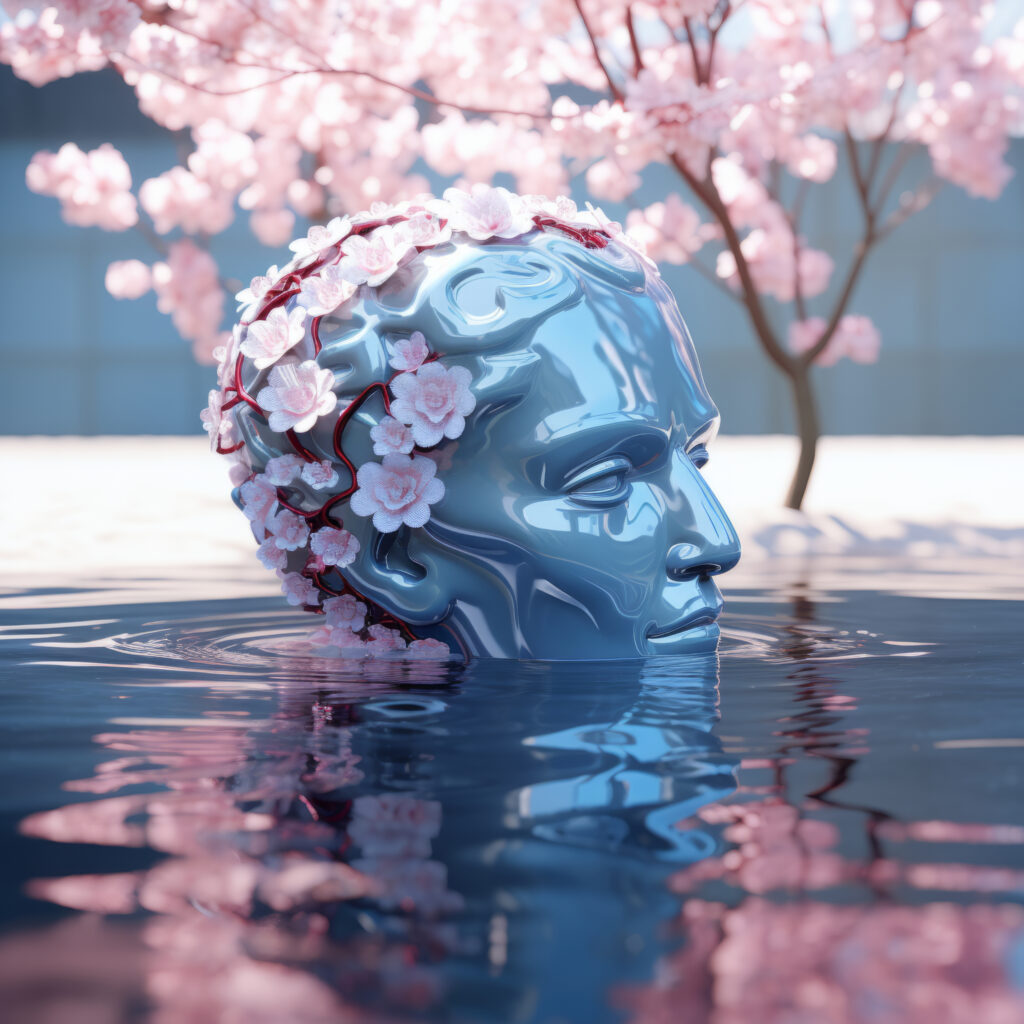
Artificial intelligence is reshaping the art world, allowing artists in various fields to venture into new creative dimensions. By incorporating AI technologies and machine learning, artists merge digital techniques with human ingenuity, transforming how art is made. This blend enriches the visual appeal of art. It paves the way for innovative job opportunities, from curator positions that demand an understanding of AI’s effect on art to technical roles focused on crafting AI tools for artists.
AI provides painters with algorithmic guidance, enabling them to explore styles and techniques once thought impossible. AI is a supportive tool for composers and musicians in music, helping them produce groundbreaking works that defy traditional auditory experiences. The literary domain benefits from AI, too, with the technology aiding in the generation of stories and novels through intricate data analysis, introducing new viewpoints on storytelling.
These instances are a glimpse into AI’s extensive impact on various art disciplines, highlighting its role as a driver of innovation and its ability to revolutionize the creative process.
The New Artist’s Toolkit
As the world of art creation shifts dramatically, artificial intelligence (AI) is now a critical update in an artist’s toolkit. This AI-enhanced creativity boosts what artists can do, making new digital art possible, and raises tricky ethical issues. Artists and the art community need to think carefully about these.
The blending of tech and art is changing what art means, pushing us to rethink the roles of the artists, the tools they use, and the people who view art today.
Using AI, artists can now push the boundaries of their work further than ever. This means they can create in ways and speeds previously unimaginable. However, this power comes with the responsibility to consider the ethical implications of their work. Artists need to think about how their use of AI affects the originality and meaning of their art.
The relationship between the artist, their tools, and the audience evolves in this new era. The traditional view of art as something created solely by human hands expands. Now, art can be a collaboration between a person and a machine. This shift invites us all to question what we consider true art.
AI-Enhanced Creative Process
Introducing AI into the artist’s toolkit has changed how artists create, offering new tools and ways to innovate. Artists can go beyond what was thought possible in traditional art, exploring new creative avenues. This blend of technology and art has led to impressive advances in artistic expression.
Key changes include:
Thanks to AI’s fast processing, artists can now quickly come up with ideas and try new things. They can venture into new artistic areas with the help of AI’s innovative powers. This results in unexpected and intriguing outcomes, making their work more complex and exciting.
The role of AI in boosting the creative process shows its power to drive ongoing innovation in the arts.
Expanding Digital Art Horizons
In today’s world, where technology continuously changes how we create and interact with art, artists are turning to tools like Generative Adversarial Networks (GANs) and Natural Language Processing (NLP). These technologies are reshaping art creation, curation, and enjoyment. They make it easier for people to find art that matches their tastes, including AI-created and traditional art, pushing them to see things from new perspectives.
| AI Technology | Impact on Digital Art |
|---|---|
| GANs | Allows for the creation of new art styles and methods |
| NLP | It helps in understanding and creating artistic content |
| AI Recommendations | It makes finding art more personal and engaging |
| AI in Event Planning | Leads to more varied and exciting art shows |
| AI Integration | It opens up new creative opportunities for artists |
These tools are not just changing art but making it more accessible. GANs, for example, let artists experiment with styles and ideas that were once impossible, leading to incredible new creations. Meanwhile, NLP breaks down barriers to interacting with art, making generating and understanding complex artistic narratives easier. AI recommendations tailor the art experience, ensuring everyone can discover something they love while being introduced to new forms and concepts. When organizing events, AI helps to include diverse artwork, keeping exhibitions fresh and engaging. Finally, including AI in the creative process offers artists boundless possibilities to explore, ensuring that the future of digital art is as diverse as it is exciting.
Ethical Considerations in AI
The use of AI in the art industry raises critical ethical questions, especially when it concerns intellectual property and how it might affect jobs for human artists. As AI becomes more involved in creating art, we must consider how to ethically source content and respect copyright laws to avoid legal issues. There’s also the worry that AI could replace human artists, which raises job security issues in the creative fields.
Another big concern is figuring out who owns an AI-created piece of art. This is tricky because copyright laws weren’t designed with AI in mind, making it harder to protect the work of human artists against AI’s efficiency. These challenges highlight the need to balance technological progress with the rights and well-being of human creators. As we progress, developing AI art responsibly is crucial, ensuring we protect the creative community’s interests.
Audience Engagement Redefined
As artificial intelligence grows, it’s changing how we connect with art, primarily through art recommendations that match our tastes. These AI-curated experiences help us find art we love and introduce us to new styles and mediums. This personal touch makes art more appealing and helps us discover a broader range of art.
AI tools are vital in organizing art exhibitions, using data to predict what people want to see. This means exhibitions are more likely to feature art that visitors will enjoy. Plus, AI helps mix familiar art with new suggestions, keeping our art experiences fresh and exciting.
This new era of engagement in the art world, powered by AI curation and diverse art suggestions, makes art more inclusive and enjoyable for everyone. Art events are now more vibrant and reflect the varied interests of today’s society.
Cultural Impact Assessment
The use of Artificial Intelligence (AI) in the world of art is transforming how we understand and value creativity. It’s making us rethink what counts as art and who gets to decide that. This change makes us question how art from different cultures is valued and the rules around creating and sharing art made with AI. We must carefully examine how these changes affect things to get what this means for artists and everyone else.
AI in art is changing the game in significant ways. It’s making us see things differently and question old beliefs about creativity. Understanding this shift is critical to knowing how it impacts communities and cultures worldwide.
Shifting Creative Norms
In the world of modern art, the growing impact of artificial intelligence is sparking a significant change in how we think about creativity. This change is marked by:
- The increasing use of AI art tools like Stable Diffusion and Midjourney blurs the lines between tech-driven and traditional art-making methods.
- Ongoing discussions about AI’s role in art, questioning whether machines could fully replicate the human element in creative works. These conversations point to broader concerns about AI’s role in supporting or limiting creative progress and expression.
- Legal battles over AI-created imagery point to the changing terrain of art production, ownership, and the vital influence of public opinion and legal standards in defining the relationship between AI tools and human artists within the art world.
Artists and enthusiasts are now navigating this new landscape where technology and tradition intersect, shaping a future where art is made and perceived differently.
Global Artistic Diversity
Artists worldwide use AI to push beyond old limits, creating a vibrant mix of technology and tradition. This blend makes art more inclusive and expansive, connecting cultures like never before. AI isn’t just a tool for making art; it’s building bridges between diverse cultures and encouraging a shared understanding and unity. Artists are leveraging AI to keep cultural traditions alive and to share them widely, erasing the distance between us.
Cultural preservation through AI means unique traditions get the spotlight globally, leading to a deeper appreciation of our differences. Creative exploration with AI produces more prosperous and more art, drawing from a broad palette of cultural influences. Cross-cultural collaboration is more accessible thanks to AI, resulting in art that speaks a universal language and brings us closer together. With AI, art can reach worldwide, making it accessible to a broader audience.
Artists are no longer confined by their physical location; AI allows them to share their work with people everywhere. This makes it possible for anyone, anywhere, to experience and enjoy a wide range of artistic expressions. Through AI, we’re not just observing art but participating in a global conversation about what it means to be human in a diverse world.
Ethical Concerns Arise
As AI reshapes the art scene, severe ethical concerns are stirring up. This includes worries about copyright issues and the risk of traditional artists losing their jobs, highlighting the need for a deep dive into the cultural effects of AI in art.
The threat to traditional artists’ careers is accurate, as AI could lead to fewer job opportunities in the art sector. This situation puts the future of artist employment on shaky ground.
Finding the right balance between AI’s benefits to productivity and its impact on the art world is delicate. It requires a keen understanding of the ethical stakes.
Copyright laws must adapt as AI plays a more significant role in content creation. They must ensure that all artists, human or not, are treated fairly in the art industry.
Tackling these ethical issues means taking a balanced approach that values both innovation and the crucial role of human artists.
Future Trends and Predictions
The AI art market is on a rapid rise, fueled by new technology and its growing use in business. Experts predict a growth rate of 37.7% from now until 2030, showing that interest and investment in AI art are skyrocketing. The launch of AI art tools like Stable Diffusion and Midjourney in 2022 has been a game-changer, demonstrating how fast this area is evolving. These tools, which can process vast amounts of data, are improving how art is made and pushing the limits of creativity.
The growing popularity of AI-made art on social media since 2022 suggests that people are becoming more open to this new art form. This change in perception is reshaping art consumption and appreciation. For example, Netflix’s show ‘The Dog and the Boy’ showcases how AI art is becoming more mainstream in media, hinting that AI-generated images could soon be standard in entertainment and advertising. As companies continue to invest in AI to boost employee productivity, AI art tools will likely become essential in creative fields, sparking more innovation and broadening the scope of what art can be.
Navigating the Challenges
Understanding the impact of AI in the art scene means grappling with complex legal, ethical, and creative questions. The emergence of AI-generated art has led to numerous copyright infringement lawsuits, highlighting the intricate legal issues artists and AI creators face. This battle is characterized by artists suing AI firms for using their work without permission, reflecting the ongoing fight for intellectual property rights in today’s digital era.
Key challenges include:
- Legal complexity: Courts are still figuring out how to handle AI’s use of copyrighted content, making the legal landscape around AI-created art tricky.
- Creative concerns: Artists worry about AI overtaking human creativity, fearing it might become irrelevant.
- Future uncertainty: The path of AI in art depends on how the public, courts, and technology evolve, which will determine if AI art ends in disappointment, coexistence, or dominance in the art world.
As the art community wrestles with these issues, the future of AI in art hangs in the balance at a crucial point where legal precedents, innovative breakthroughs, and ethical considerations will shape the next phase of artistic expression.
Frequently Asked Questions
How Will AI Affect the Future of Art?
- AI shapes art, blending human creativity with machine ingenuity.
- Ethical questions arise from AI’s role in art creation.
- Art markets adapt as AI influences demand and value.
Will AI Ever Replace Art?
- AI won’t eclipse human art due to unique human creativity.
- Economic trends hint at a collaborative future in art.
- Human emotion and originality remain unmatched by AI.
How Do You Imagine AI Art Will Impact Society shortly?
- AI ethics shape art’s future, demanding responsible use.
- Copyright issues redefine ownership in art’s digital age.
- AI’s role in art spurs economic shifts, affecting creators.
What Is Aaron Harold Cohen?
- Aaron Harold Cohen merges art with technology.
- Innovates at the intersection of creativity and tech.
- His work challenges the boundaries of traditional art.
Conclusion
The art world is undergoing a significant change with the integration of AI. This shift is changing how art is made, enjoyed, and shared. It raises challenging questions about ethics, law, and culture that we must consider carefully.
Yet, it also offers new chances to push the boundaries of creativity and reach more people. The future of art relies on finding a good balance. We need to work together, combining human creativity and AI’s power while also tackling the challenges this partnership brings.
