

Mastering Van Gogh’s Style with AI: 7 Essential Tips
In a world where technology and art merge to create new forms of expression, using artificial intelligence to replicate Vincent van Gogh’s unique style is both a challenge and an exciting opportunity.
This task requires a deep understanding of Van Gogh’s colorful palette and energetic brushwork. It also necessitates a grasp of his paintings’ emotional depth and symbolism.
Merging Van Gogh’s artistic techniques with AI’s capabilities invites us to explore how this combination can honor his legacy while exploring new artistic frontiers. This journey might lead us to unexpected discoveries in art and technology.
Key Takeaways
- Combining Van Gogh’s art with AI introduces a unique creative avenue.
- AI-driven techniques revitalize Van Gogh’s legacy in the digital age.
- This fusion encourages modern artistic innovation while honoring the past.
Understanding Van Gogh’s Palette
To recreate Van Gogh’s iconic style with AI, it’s critical to understand his bold and vibrant color choices. His art is renowned for its emotional depth, achieved through the use of contrasting colors like yellows, blues, and greens. This wasn’t just about picking colors; it was about how these colors interacted, reflecting his feelings and experiences. This knowledge is essential for AI attempting to mimic his style, ensuring the art produced resonates with the same emotional depth.
Using advanced algorithms, AI can dissect and learn from Van Gogh’s color schemes. Through machine learning, it studies his artworks, identifying patterns that are key to his style. This helps in creating AI-generated art that does more than copy Van Gogh’s colors—it captures the essence and emotion his work conveys.
Emulating Brushstroke Techniques
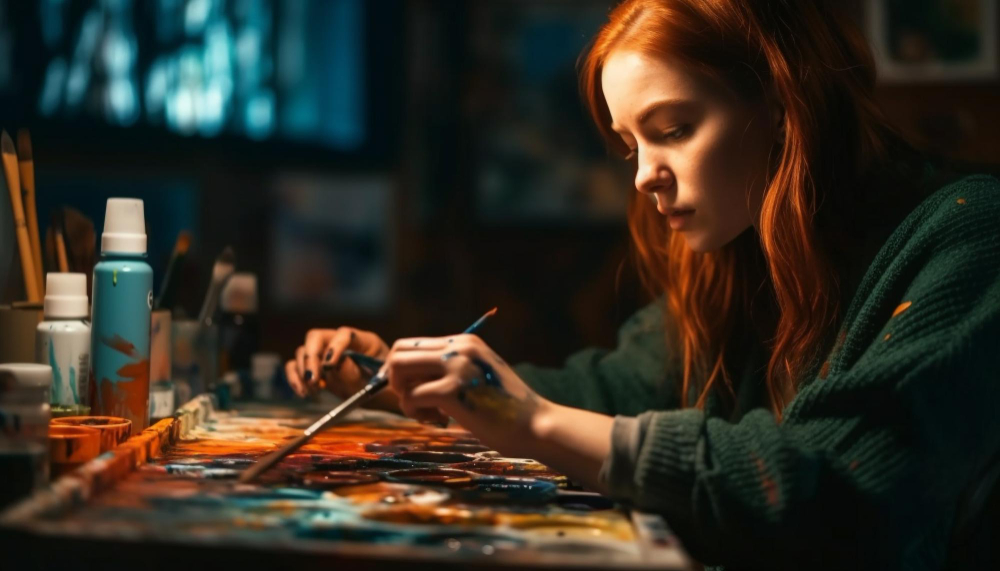
In trying to mimic Van Gogh’s unique brushwork using technology, it’s key to study his strokes carefully. His strokes are known for their lively direction and changing thickness. This study is crucial for creating technology that can imitate this style, focusing on how texture and color come together to express the deep emotions and meanings in his paintings. By improving these technology-created strokes, we move closer to making digital art that truly reflects Van Gogh’s distinctive approach, merging the worlds of classic art and tech innovation.
Using technology to capture the essence of Van Gogh’s art means getting into the details of how he painted. It’s not just about the colors he chose, but how he applied the paint to the canvas. This process involves creating programs that understand the complexity of his technique, where every brushstroke adds to the overall emotion and symbolism of the piece. By continually refining this approach, we aim to produce digital art that not only looks like it could have been painted by Van Gogh himself but also carries the emotional weight and storytelling of his work.
Analyzing Van Gogh’s Strokes
Capturing the unique style of Van Gogh’s paintings involves understanding the direction, thickness, and texture of his brushstrokes. This method is key to replicating the energy and color that Van Gogh brought to his artwork. Using advanced technology, we can analyze these aspects in detail, learning from Van Gogh’s techniques like pressure changes and how he layered his paint. This technology can examine a large number of his paintings, picking out the distinct features that make his work stand out, such as his vibrant strokes and use of color.
This approach provides a new way to mimic Van Gogh’s painting style, attempting to replicate the dynamic and textured surfaces that give his art its powerful impact. It’s a way of combining traditional art with modern advancements, offering a fresh perspective on Van Gogh’s methods and bringing his art into the digital age.
AI Stroke Replication Methods
Drawing inspiration from the techniques of Van Gogh, advanced methods in computer science are now able to closely mimic his iconic brushstrokes. These technologies dissect Van Gogh’s style, capturing the energy and emotion in his paintings. Through examining aspects such as stroke orientation, paint thickness, and the speed at which the brush is moved, these algorithms bring a new dimension to art creation, blending the boundaries between classical art and modern innovation.
In this approach, direction of the brushstroke is key. The technology studies the various angles and paths Van Gogh’s brush took, allowing for a digital recreation of his orientation. Similarly, the pressure he applied to create his famous thick textures is emulated, giving depth to the digital paintings. The speed of his brushwork, indicative of his rapid, expressive technique, is replicated to bring movement and fluidity. Lastly, the texture of his paintings, with their complex, layered brushwork, is reproduced, offering digital artworks that feel astonishingly real.
This method not only honors the legacy of Van Gogh but also opens up new possibilities for artists and creators today. It shows how the fusion of art and technology can lead to exciting new forms of expression.
Texture and Color Interplay
Capturing the essence of Van Gogh’s art involves a deep understanding of how he used color and texture. This challenge is now tackled using the latest technology. To truly reflect his style, we must consider a few key points:
Understanding Van Gogh’s use of color is crucial. He was known for his vibrant and contrasting colors, like deep blues, bright yellows, and lively greens. This is where technology steps in, aiming to replicate these colors accurately.
Recreating Van Gogh’s brushstrokes is another major aspect. His work is famous for its bold and expressive strokes. Modern algorithms are taught to mimic these techniques, bringing us closer to his artistic approach.
The creation of textured surfaces is vital in replicating the depth and richness of Van Gogh’s paintings. This step ensures that the final product feels as close to the original as possible.
Maintaining the balance between color and texture is essential for capturing the emotional depth of Van Gogh’s art. It’s this balance that makes his work stand out, and technology strives to preserve it.
In doing so, we’re not just creating art; we’re bringing a piece of Van Gogh’s soul into the modern era. This approach allows us to appreciate his genius in a new and exciting way.
Incorporating Emotional Depth

To capture the emotional depth that Van Gogh’s paintings are known for, AI technology needs to deeply understand his unique use of colors and brushstrokes. These tools can learn to recreate the feelings embedded in his art, making digital pieces that stir the same emotions. This task requires more than just copying his style. It’s about bringing the emotional essence into AI-created art.
Emotional Palette: The AI will study how Van Gogh used colors and brushstrokes to express feelings. This study aims to teach the AI to do the same.
Expressive Techniques: The AI will look into how Van Gogh’s brushstrokes and textures affected viewers emotionally. The goal is to guide the AI in producing similar impacts.
Passion and Intensity: The AI’s creations will include elements that showcase Van Gogh’s passionate approach to art. This will be based on an analysis of the emotions in his work.
Psychological Aspects: Insights into Van Gogh’s psychological state will be used to add depth to the emotions in AI-generated art.
Understanding Van Gogh’s art means appreciating not just the visual aspect but the emotional vibrancy and energy it conveys. Through careful analysis, AI can create art that doesn’t just look like Van Gogh’s but feels like it too, embodying the rich emotional landscape that his work presents.
Exploring Color Dynamics

Emulating the art of Van Gogh in AI-generated art demands a deep dive into how colors work together to convey emotions. To capture the essence of Van Gogh’s style, we must pay close attention to color dynamics. This involves choosing and applying colors in a way that echoes the emotional depth and visual tension found in his paintings.
Using bright yellows and deep blues can help mimic Van Gogh’s range of emotions, from optimism to sadness. It’s essential for AI to analyze and use these colors effectively to replicate the emotional impact. Incorporating complementary colors such as blue and orange or red and green adds a layer of visual tension. This approach requires a solid grasp of color theory to program AI accurately.
Improving how AI simulates brushstrokes can make the colors in the artwork feel more dynamic, mirroring Van Gogh’s expressive style. Focusing on color choices that enhance the overall mood is another way to use AI to adapt the color dynamics based on the intended emotional effect.
Mastering Light and Shadow
Mastering the interplay of light and shadow is crucial for capturing the depth and drama in paintings like those of Van Gogh. His artwork stands out for its vibrant use of light and shadow, achieved through thick, expressive brushstrokes. This technique not only makes his paintings more visually striking but also adds a layer of emotional depth.
To copy Van Gogh’s style, one needs to understand how he used light and dark tones together to create emotion and intensity in his work. Artists can get closer to achieving Van Gogh’s iconic effect by playing with these elements. It’s also important to look at how he used color and texture to make the effects of light and shadow stand out even more. This requires both learning the theory and putting it into practice, where the use of technology can make a big difference.
Utilizing AI for Texture Generation

Exploring Vincent Van Gogh’s unique brushwork through modern technology shows us how artificial intelligence (AI) can recreate the textures that make his paintings stand out. AI uses complex calculations to study and mimic the detailed surfaces found in Van Gogh’s art. This blend of art and technology provides new pathways for those in the creative fields to achieve levels of texture detail that were previously unattainable.
The process of incorporating AI in texture generation starts with a close examination of Van Gogh’s work. AI systems break down the intricacies of his textures, capturing the essence of his style. They then apply pattern recognition to reproduce these textures in new pieces of art. Neural networks, which learn from extensive datasets including Van Gogh’s textured brushwork, are pivotal in creating textures that are realistic in digital art. By adopting Van Gogh’s techniques, AI not only enriches the art it produces but also keeps the spirit of his work alive in the digital era.
This fusion of AI with artistic creation is not just a tribute to Van Gogh’s genius; it’s a step forward in the way we approach art in the digital age. It marks a significant advancement in how artists and designers can experiment with and realize their visions, opening up a world of possibilities for texture in digital artwork.
Adapting Landscape Compositions
Exploring how to create landscapes inspired by Van Gogh with AI involves a deep dive into his art. His work shows a rich blend of color and emotion. This knowledge helps to make algorithms that can imitate his unique landscape style. His famous use of vibrant colors and lively brushstrokes can now inspire modern artists. With AI, artists can make landscapes that not only look like Van Gogh’s but also feel like them, capturing his emotional depth and vision.
Understanding Van Gogh’s art is key to replicating his landscape style with AI. His art is more than just pretty pictures; it’s about expressing deep feelings through color and brushwork. This understanding allows for the creation of AI tools. These tools support artists in making their own landscapes that are inspired by Van Gogh’s techniques and emotional impact.
Analyzing Van Gogh’s Landscapes
Vincent Van Gogh’s approach to landscape art truly stands out for its vivid use of color and the ability to evoke emotion. His technique is characterized by two main features:
- Energetic Brushstrokes: His work is alive with movement, thanks to the energetic, swirling strokes. This style injects a feeling of vitality and motion into his landscapes.
- Fresh Viewpoints on Nature: Van Gogh had a unique way of depicting light and texture, offering a fresh look at the natural world. His landscapes seem to vibrate with life because of this.
His landscapes go beyond simple representations. They use symbolic elements to communicate nature’s deeper meanings, making his work resonate on multiple levels. The use of texture in his paintings not only adds visual depth but also invites viewers to look closer and discover the stories within his art.
Embracing Bold Color Choices
Exploring Vincent van Gogh’s Colorful Canvas
Looking into Vincent van Gogh’s work, we see his landscapes come to life with bold colors. His unique style brings out the emotion and intensity in each piece through the use of contrasting and vibrant colors. Tools in art technology can help us understand and replicate van Gogh’s distinct color palette, allowing us to dive deeper into his artistic vision.
| Aspect | Van Gogh’s Approach | AI Adaptation |
|---|---|---|
| Color Intensity | Vibrant | High Saturation |
| Color Contrast | High | Enhanced |
| Emotion | Evocative | Emulated |
Van Gogh’s approach to color was revolutionary for his time. He wasn’t afraid to use intense and contrasting hues to bring his visions to life. This method not only made his work stand out but also conveyed a strong emotional impact that resonates with viewers even today. Modern AI tools can capture this essence by adjusting the saturation and contrast of colors in digital recreations of his work, aiming to evoke similar emotions.
Understanding how van Gogh utilized color allows artists and enthusiasts to appreciate the depth and emotion in his work. By using technology to analyze and replicate his techniques, we can gain insights into his creative process and continue to celebrate his legacy in the art world.
Experimenting With Portraiture Styles
Exploring the art of portraiture through AI tools like Artvy presents a unique opportunity to recreate the standout features of Vincent van Gogh’s work. Van Gogh’s portraits are known for their expressive brushwork and bold use of color. These characteristics offer a wealth of inspiration for both artists and AI technology.
To truly capture Van Gogh’s approach to portraiture, focus on these steps:
- Study Van Gogh’s Portraits: Examine the bold colors and unique, swirling brush strokes that bring his subjects to life. This understanding is crucial for anyone trying to replicate his style.
- Use Neural Style Transfer: This AI technique allows you to blend Van Gogh’s signature style with your own artistic endeavors, creating something truly unique.
- Convey Emotional Intensity: Aim to replicate the emotional depth Van Gogh captured in his subjects. This adds a layer of authenticity to your work.
- Experiment with AI: Try different AI algorithms designed for style replication. This can help you more accurately mirror Van Gogh’s techniques in your portraits.
Combining Traditional and Digital Methods
Blending Van Gogh’s traditional art techniques with digital tools creates a unique space for artistic innovation. Artists learn a lot by examining Van Gogh’s intense brushwork and use of color. This foundation is critical for moving on to digital exploration. AI algorithms that focus on neural style transfer are particularly useful for adapting Van Gogh’s style into digital creations. These algorithms can closely study Van Gogh’s art to identify and replicate his unique style digitally.
Playing with AI settings, like the influence of style and the number of processing steps, helps refine the digital imitation. This process lets artists both imitate Van Gogh closely and also inspire new, original artworks. Combining deep knowledge of traditional art with modern AI technology pays homage to Van Gogh while pushing his legacy forward. This mix encourages innovation, allowing artists to explore new possibilities and create works that connect past art with the present digital age.
Analyzing Historical Context
To capture Van Gogh’s unique style through AI, it’s vital to remember the huge influence of the Impressionism and Post-Impressionism movements on his art. By understanding the society and historical events that shaped him, we can get into the heart of his emotionally charged and expressive artwork.
This knowledge helps in creating AI tools that don’t just mimic Van Gogh’s look but also reflect the intense period of history and personal challenges he faced.
Van Gogh’s Era Influences
In the late 19th century, Vincent van Gogh found his artistic voice amidst the transformations of the Industrial Revolution and the birth of new art movements. This era, brimming with change, deeply influenced his art’s themes and style.
- Impressionism and Post-Impressionism were game-changers for van Gogh. They taught him the significance of light, color, and unique brushwork, guiding him away from strict realism.
- The Industrial Revolution reshaped cities and technology, impacting van Gogh’s subjects and view on contemporary life.
- Artists like Paul Cézanne and Georges Seurat were crucial in introducing van Gogh to groundbreaking artistic ideas and methods.
- The influence of The Hague School, known for its natural and rural scenes, is evident in van Gogh’s early works. This was before he pivoted to a more expressive and emotional style.
Van Gogh’s era was a melting pot of new ideas, technologies, and artistic philosophies. These elements not only shaped his view of the world but also deeply influenced the thematic and stylistic development of his work.
Social Impacts on Art
Vincent van Gogh’s artistic path is a vivid example of how art can reflect and even change society’s values. Initially, his paintings were not appreciated, showing how hard it can be for new ideas to be accepted. However, over time, van Gogh’s work became celebrated, highlighting how tastes and values can shift. This change tells us about the power of perseverance and how art can eventually transform opinions and norms.
Van Gogh’s experience also sheds light on the complex link between an artist’s wellbeing and how their work is received. His life reminds us that understanding and empathy are crucial, and that mental health should not be overlooked. Today, van Gogh is seen as a pioneer, his struggles and eventual recognition underscoring the impact of art on society. His legacy encourages us to question and rethink our views, showing that art can indeed inspire empathy and bring about change.
Frequently Asked Questions
Can AI Imitate Art Styles?
- AI mimics art styles, blending technology and creativity.
- Ethical questions emerge from AI’s art imitation.
- The debate continues on innovation versus artistic purity.
Is It OK to Use AI Art as Inspiration?
- Ethics matter in drawing inspiration from AI art.
- Artists must preserve their unique creative integrity.
- It’s crucial to explore artistic expression responsibly.
What Is the AI That Makes Art More Realistic?
- AI makes art look real through smart algorithms.
- Digital tools mimic actual artistic techniques precisely.
- This tech creates visually stunning artworks easily.
What AI Does Starry AI Use?
- Starry AI utilizes deep learning for art creation.
- It focuses on mimicking artistic styles.
- Neural networks generate vibrant artwork.
Conclusion
Merging Vincent van Gogh’s iconic style with artificial intelligence brings together classic art techniques and modern digital capabilities. This method allows for a deeper appreciation of van Gogh’s work while providing new ways for artists to express themselves.
By closely examining van Gogh’s use of color, the way he applied paint, the emotional intensity in his work, and how he structured his paintings, and then applying these observations through AI, creators can bring a fresh perspective to digital art. This not only pays homage to van Gogh’s enduring influence but also brings his artistic vision into the modern era.
Using AI to replicate van Gogh’s distinctive style helps keep his legacy alive through new mediums. It shows how blending historical artistry with cutting-edge technology can lead to innovative forms of artistic expression.
