

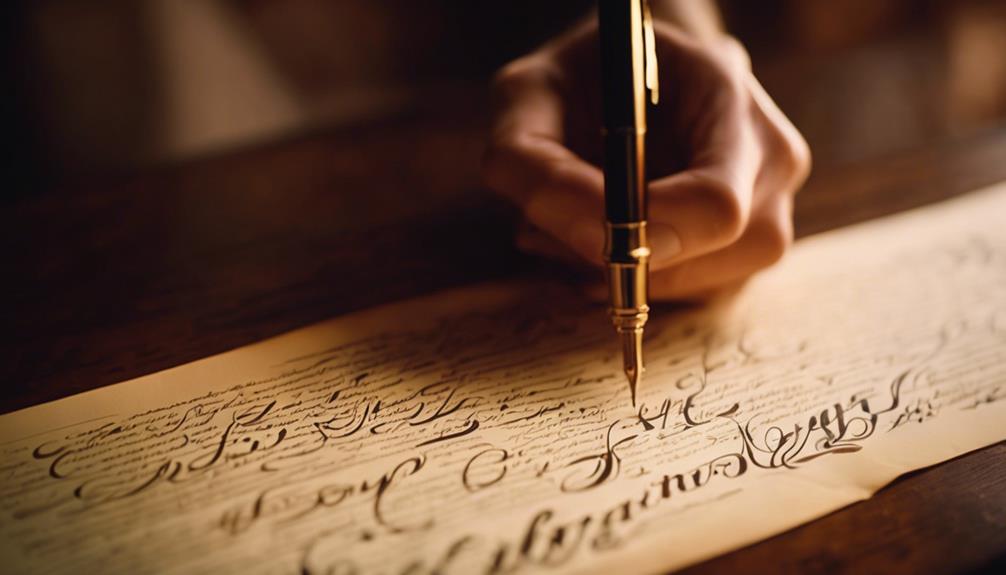
Cursive Lettering for Quote Design
Crafting quotes with cursive lettering blends artistic skill and personal style.
Choose a meaningful quote that speaks to your audience. Sketch your design on graph paper to plan spacing and flow.
Try different cursive styles to develop your unique approach. Balance readability with decorative elements as you refine your layout.
Connect letters smoothly and add flourishes to enhance the overall design. Use color and shading to create depth and highlight key words.
Pay close attention to letter beginnings and endings for consistent spacing and rhythm. Regular practice will help you turn simple words into eye-catching visual art.
Artistic Expression Through Calligraphy
Cursive lettering allows for creative interpretation of text.
Experiment with line thickness, letter height, and connecting strokes to convey emotion. Consider the quote's meaning when choosing your style.
Incorporate decorative elements like swirls or loops to add visual interest. Use negative space effectively to create balance in your design.
Practice different pen pressures to achieve varied line weights for dynamic results.
Key Takeaways
- Select brief, powerful quotes that resonate with your audience.
- Practice flowing strokes for elegant letterforms with artistic flourishes.
Choosing the Perfect Quote
Selecting an inspiring quote forms the basis of any cursive lettering project.
The right words can stir emotions and spark creativity. Think about why you're creating the design: personal reflection, public display, or as a gift?
Find quotes from books, poems, philosophical works, or songs. Pick phrases that speak to you or your audience.
Brief, powerful statements often work well for cursive lettering. They allow for intricate designs and flourishes.
Consider the mood you want to convey through your chosen words.
Notice how the words flow together, as this affects your lettering style. Some quotes naturally suit cursive script, with smooth transitions between letters.
As you choose your final quote, imagine how it will appear in cursive. Think about the balance of word lengths and any tricky letter combinations.
Sketching Your Initial Design
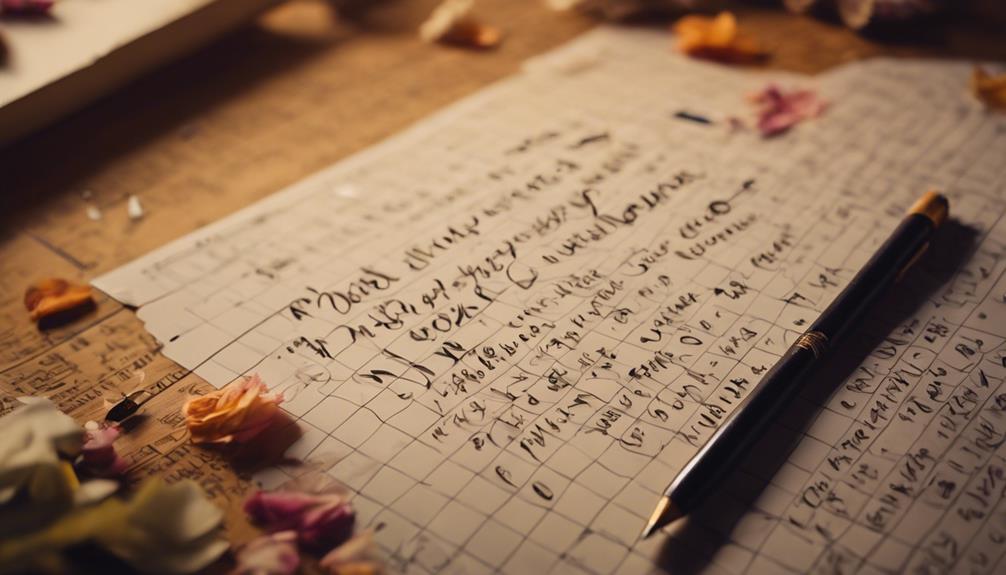
Choose grid paper for your initial sketch.
This structure helps maintain consistent letter sizes and alignments.
Space words evenly to create a smooth flow across the quote.
Let your hand move freely, forming each letter precisely.
Add artistic touches to enhance your cursive design's overall look.
Choosing Grid Paper
Selecting the Right Grid Paper
The foundation of cursive lettering design begins with choosing suitable grid paper. A subtle pattern provides structure without overshadowing your work.
Lighter grids work well for intricate designs, allowing your flowing strokes to shine.
Graph paper with uniform squares is excellent for hand lettering. It ensures straight lines and even spacing between letters, contributing to a polished final design.
A grid size of 1-inch or 2-cm is a good starting point for most projects. Experiment with various sizes to find what suits your style best.
When sketching your initial design, use a light touch with your pencil. This approach makes erasure easier and prevents smudging, preserving the elegance of your cursive lettering.
The right grid paper sets the stage for a beautiful, balanced composition. It offers a guide that improves precision while allowing your artistic vision to flourish.
With proper grid paper selection, you can create stunning cursive lettering projects with confidence.
Balancing Word Spacing
Crafting beautiful cursive lettering requires a keen eye for word spacing. As you draft your design, focus on creating a smooth rhythm between words. Allow each word room to stand out while maintaining a unified appearance.
Start by sketching your quote lightly in pencil. Pay attention to the natural flow of cursive writing. Try different gaps between words, finding the sweet spot that prevents cluttering without disrupting the overall flow. Consistency is key, but feel free to adjust spacing for emphasis where needed.
The empty areas between letters and words play a crucial role in your design. These spaces should work in harmony with your cursive strokes. Maintain precise control to keep spacing even throughout your piece. This ensures each word is distinct yet connected to the whole composition.
As you polish your sketch, add artistic touches carefully. Be mindful not to compromise readability or disrupt your carefully planned spacing. The goal is to create a balanced and visually appealing cursive lettering design that catches the eye and conveys your message effectively.
Exploring Cursive Lettering Styles
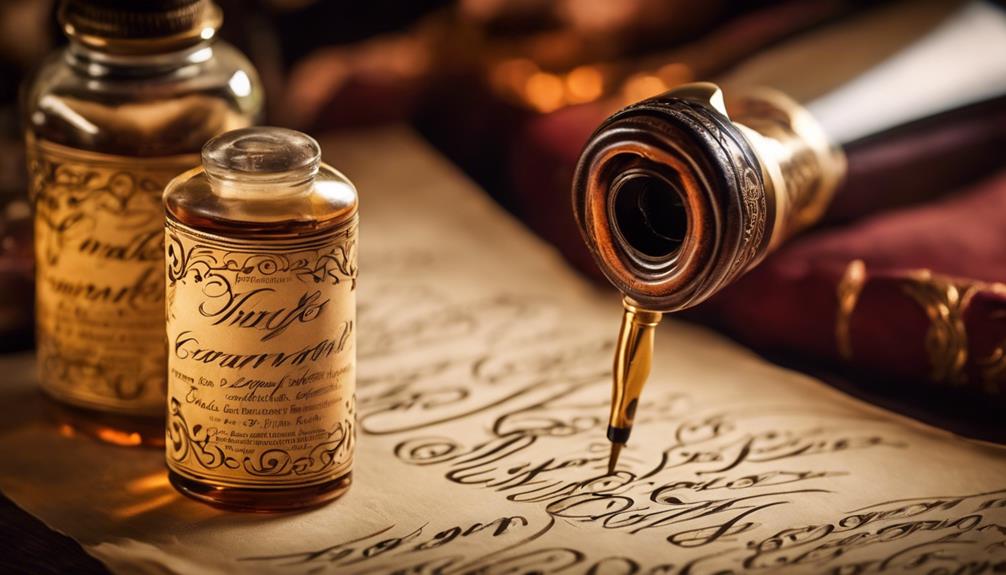
Cursive Lettering Techniques
Artists can improve their quote designs through stylized cursive variations. Practicing flowing strokes and precise control enables the creation of elegant letterforms that connect smoothly.
Artistic flourishes and varied line weights add personality to cursive lettering. These elements transform simple quotes into visually striking compositions, making them more appealing to viewers.
Designers often experiment with different cursive styles to find their unique voice. This process involves studying historical scripts, contemporary trends, and personal preferences to develop a distinctive approach to lettering.
Balancing readability with decorative elements is crucial in cursive design. While ornate flourishes can be visually impressive, they shouldn't compromise the legibility of the text.
Proper tool selection significantly impacts cursive lettering quality. Brush pens, pointed nibs, and digital styluses each offer different possibilities for creating fluid, expressive letterforms.
Basic Cursive Techniques
Basic cursive techniques form the foundation for exploring diverse lettering styles in quote design. These skills are crucial for creating visually appealing hand-lettered quotes.
Consistent slant and smooth letter connections are key elements of cursive writing. Practicing basic upstrokes and downstrokes while paying attention to line weight variations helps develop fluid movements across the page.
Different writing tools, such as fountain pens or brush pens, offer varied line thicknesses and textures. Experimenting with these tools can enhance the overall aesthetic appeal of your cursive writing.
Simple swashes and loops can add visual interest to your lettering. As you improve, you can incorporate more complex embellishments while maintaining legibility in your designs.
Mastering basic cursive techniques provides a solid foundation for creating eye-catching quotes that blend artistry with readability. This skill set allows for exploration of more intricate lettering styles in future projects.
Stylized Cursive Variations
Stylized cursive variations offer endless creative options for quote designers.
By playing with different lettering styles, designers can emphasize key words and create visually appealing compositions.
Mixing cursive styles like copperplate and spencerian adds contrast and interest to designs.
Designers can improve their skills by practicing various cursive techniques, including italic and brush script.
Mastering these styles helps build muscle memory and improves hand-eye coordination.
As designers become more skilled, they can use cursive variations to establish visual hierarchy within quotes.
Adding swashes and flourishes to cursive letters brings extra elegance to designs.
These artistic touches transform simple quotes into captivating works of art that draw attention and admiration.
Balancing Word Emphasis
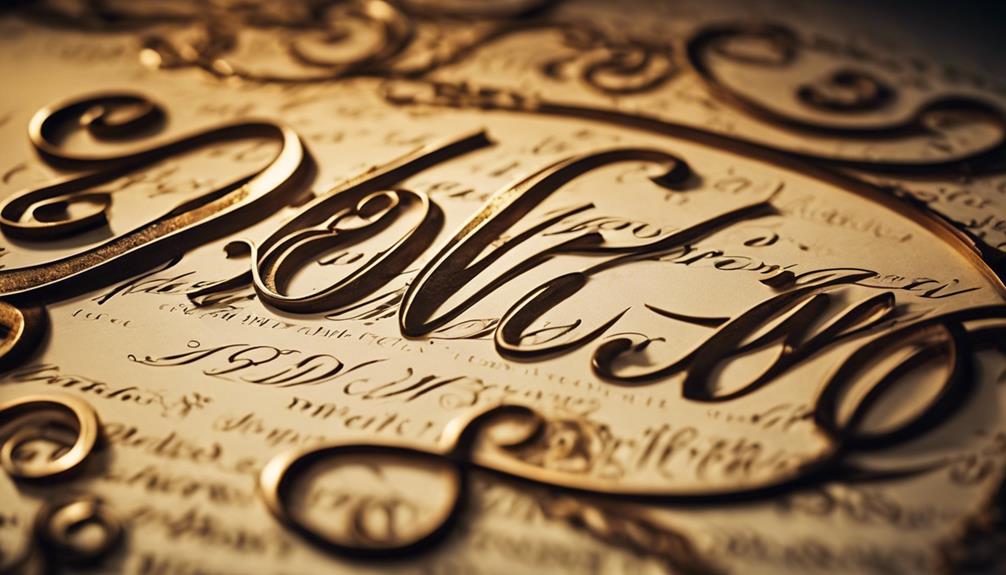
Effective cursive lettering in quotes relies on balancing word emphasis. This technique uses variations in stroke weight, size, and flourishes to guide readers' attention. The goal is to highlight key elements while maintaining overall readability and visual appeal.
Designers use flowing strokes and precise control to create visual hierarchies. They might use thicker lines or larger sizes for important terms, and more delicate strokes for supporting text.
Carefully placed flourishes can accent specific words or punctuation, adding elegance to the design.
Maintaining harmony is crucial when emphasizing words. Different techniques should complement each other, not compete. This approach results in visually engaging quotes that effectively convey their message while pleasing the eye.
The art of balancing emphasis in cursive lettering requires practice and a keen eye for detail. Designers must consider the quote's content, intended audience, and overall aesthetic when making stylistic choices.
The end result should be a cohesive and beautiful piece of lettering that draws attention to key ideas without overwhelming the viewer.
Refining Your Layout
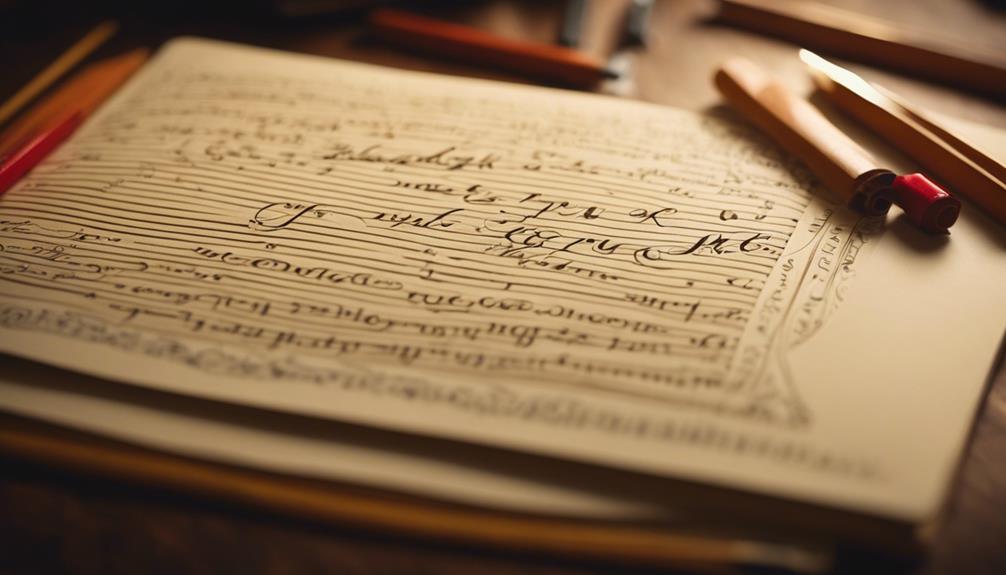
Polishing Your Cursive Design
After completing your initial sketch, it's time to refine your cursive lettering. Place tracing paper over your draft to make adjustments without altering the original.
Focus on spacing between letters and words, ensuring a balanced flow. Adjust ascenders and descenders to create visual rhythm and prevent crowding. Play with line weights to add depth, highlighting important words or phrases.
Reposition elements to establish a clear visual hierarchy. Fine-tune swashes and flourishes to complement the text without overpowering it. Maintain your unique cursive style while improving readability and aesthetic appeal.
This careful refinement process will transform your concept into a polished and professional piece of lettering art.
Consider the overall composition and make necessary changes to achieve harmony. Pay attention to every curve, loop, and flourish, ensuring they contribute to a cohesive design.
The goal is to create a visually striking piece that maintains elegance and impact.
Transferring to Final Medium
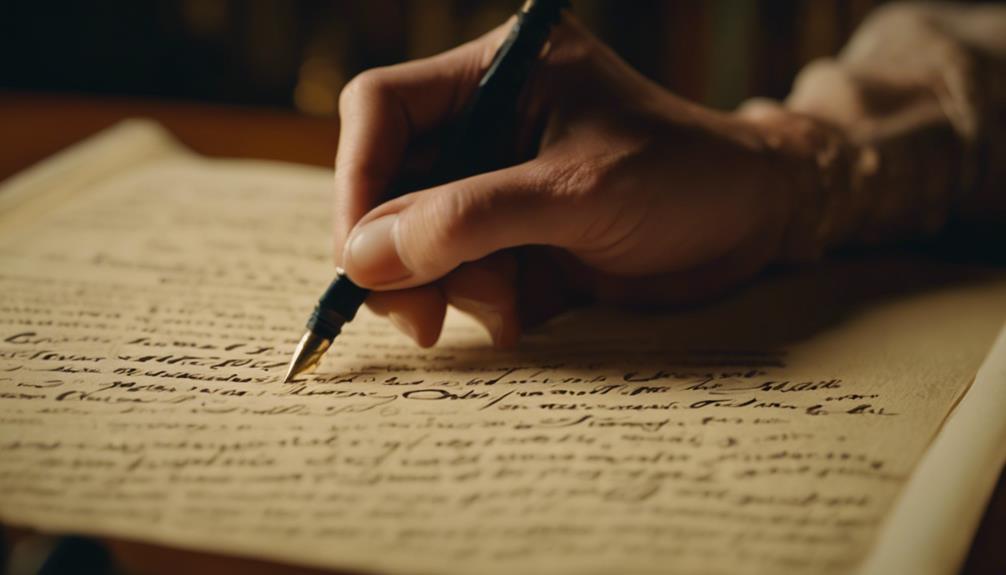
Moving Your Design to Its Final Form
The time has come to bring your cursive lettering to life on its ultimate canvas.
This crucial phase demands careful planning and execution to ensure your detailed work shines through.
Choose the right surface for your finished piece. This could be premium paper, canvas, or a digital platform.
Prepare your chosen medium thoroughly, ensuring it's pristine and ready for your art.
Use transfer paper or a light box for accuracy when working traditionally.
For larger projects, consider projecting your sketch onto the final surface.
As you apply your lettering, maintain steady pressure and consistent strokes to achieve a flowing style.
Regularly assess your progress, making adjustments to keep the overall balance and composition intact.
Adding Flourishes and Embellishments
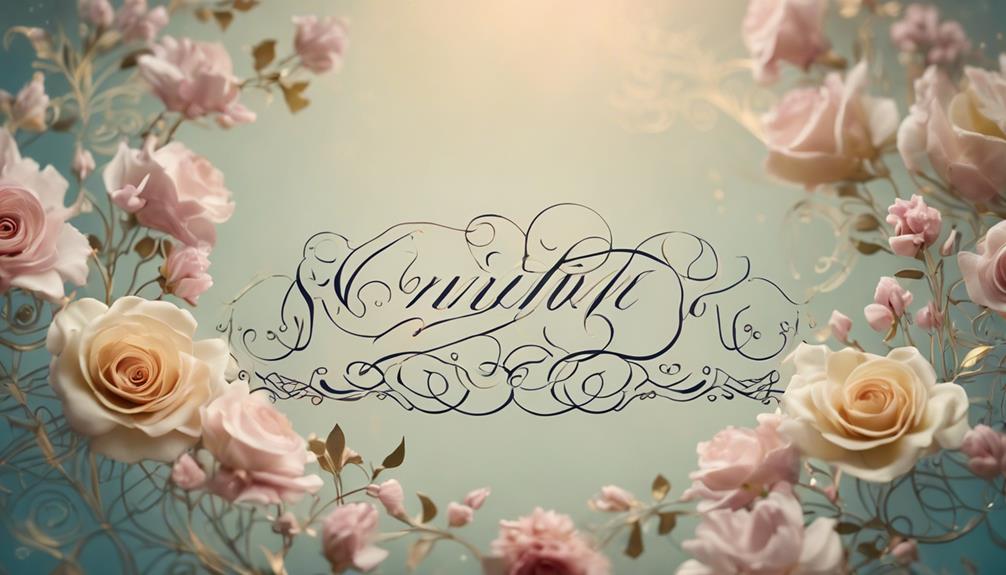
Transforming simple quotes into captivating artwork requires skillful use of flourishes and embellishments. These decorative elements bring depth and character to your lettering, making it visually striking.
Extend graceful curves from key strokes to create natural flow. Swirls and loops add movement, while negative space provides contrast. Balance is crucial to prevent overcrowding.
Frame quotes or highlight words with filigree, botanical designs, or geometric shapes. Vary line thickness for added dimension.
Use decorative elements sparingly to complement, not overpower, your lettering.
Precise control and consistency in your flourishes are essential. This approach results in a polished, cohesive design that showcases your artistic skill in cursive lettering.
Perfecting Letter Connections
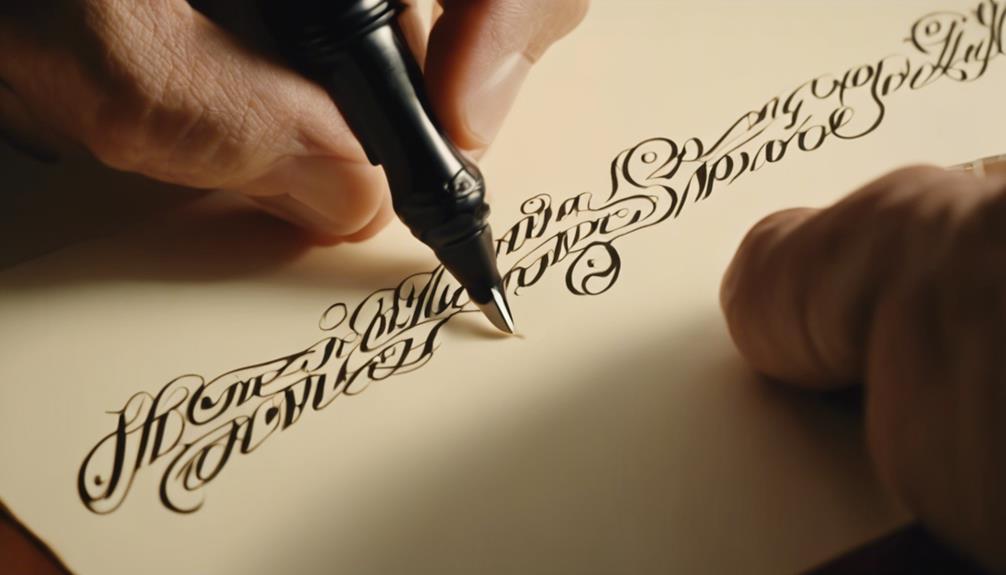
Mastering Letter Connections
Connecting letters smoothly is key to creating beautiful cursive writing. This skill transforms ordinary handwriting into an artistic expression that flows gracefully across the page.
Achieving this requires practice and attention to detail. Focus on how each letter begins and ends. This helps maintain consistent spacing and creates a pleasing rhythm in your writing.
Pay attention to how letters join together, ensuring a natural transition from one to the next. Regular practice builds muscle memory, allowing your hand to move effortlessly as you write.
Try varying the thickness and curves of your connections to add visual interest. This approach turns simple handwriting into a form of art.
Consider the overall look of your cursive script. Well-executed letter connections contribute to a cohesive and polished appearance.
They can make your writing stand out and be more enjoyable to read. Remember that perfecting letter connections takes time and patience.
Don't be discouraged if your early attempts aren't perfect. With consistent practice, you'll see steady improvement in your cursive technique.
Incorporating Color and Shading
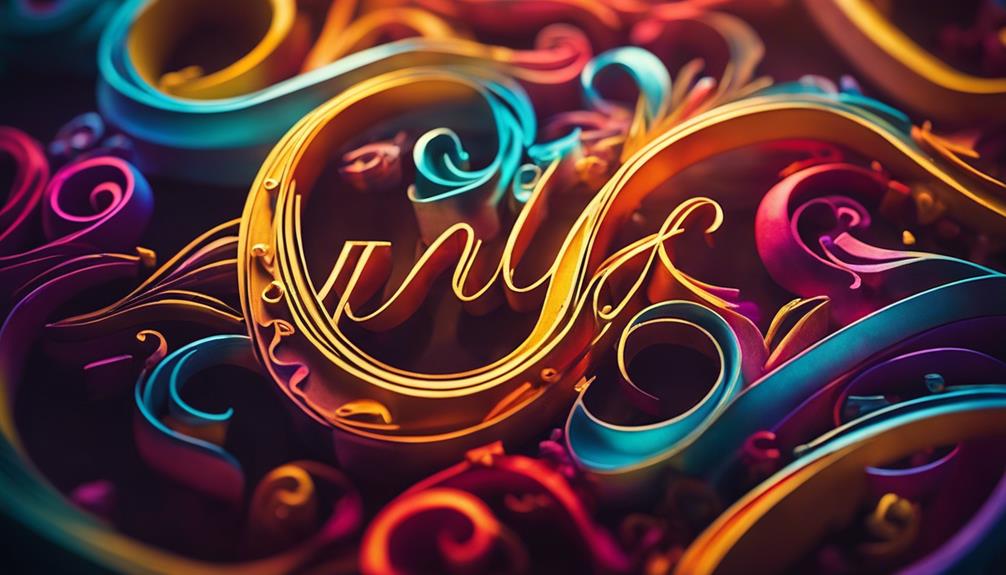
Color and shading transform cursive lettering into captivating visual art.
Choosing harmonious hues sets the mood, while expert shading techniques add depth to each letter.
Balancing colors across the design ensures a pleasing composition that catches the eye.
This approach enhances the impact of quotes, making them more memorable and engaging for viewers.
Color Palette Selection
Color choices can transform cursive lettering into captivating art. The right palette enhances the message and evokes emotions.
When designing quotes, consider how colors interact and complement each other. Choose colors that match your intended mood. Soft pastels create a romantic feel, while vibrant tones convey energy. Muted earth tones give a natural vibe.
Try using shades of one color or pair complementary hues for visual interest. The background color matters too. It should provide enough contrast to make your lettering stand out.
Adding metallic accents or gradients can enhance the flowing nature of cursive writing. Use color strategically to draw attention to key words or phrases.
A well-planned palette turns cursive lettering into a compelling visual experience, amplifying the impact of the words themselves.
Shading Techniques
Shading Adds Dimension
Shading techniques transform flat cursive lettering into dynamic, three-dimensional artworks. These methods create depth, texture, and visual interest, turning simple letters into captivating designs.
Exploring Shading Methods
Try hatching, cross-hatching, and stippling to create varying darkness levels and textures. Use graphite pencils, markers, or colored pencils to experiment with different effects that suit your design.
Color in Shading
Incorporating color expands design possibilities. Use colored tools or digital platforms to add warmth, coolness, or vibrancy to your quote. Vary stroke direction and pressure for subtle tonal changes that enhance the overall look.
Digital Shading Tools
Software like Photoshop and Procreate offer advanced shading capabilities. These platforms allow for precise control and refinement, resulting in polished, professional-looking designs that effectively convey your message.
Balancing Hues Effectively
Color Balance in Cursive Lettering
Color can transform cursive lettering into eye-catching designs. Choose hues that match the quote's tone and message. This creates a balanced composition that highlights key words.
Try different color combinations to find what works best. Use shading techniques to add depth and interest. Graphite pencils or markers can create subtle gradients, enhancing the lettering's elegance.
Make several versions with varied color schemes. Compare them to find the most impactful design. Balancing colors is an art that requires practice and creativity. This approach helps create visually appealing and emotionally resonant cursive quote designs.
Experiment with contrasting colors to make certain words stand out. Consider the overall mood you want to convey. Warm colors might suit inspirational quotes, while cool tones could work for calming messages.
Pay attention to readability when choosing colors. Ensure there's enough contrast between the lettering and background. This makes the quote easy to read from a distance.
Finalizing Your Masterpiece
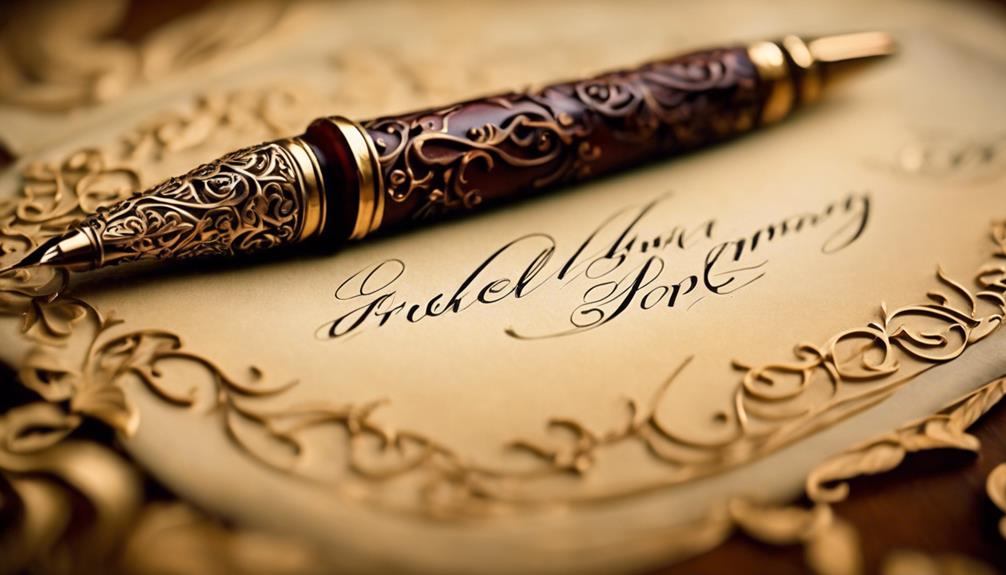
Refining Your Cursive Quote Design
Adding subtle details to your cursive quote design transforms it into a standout piece. Focus on the overall harmony and impact of your work. Incorporate gentle flourishes on key letters to enhance the script's elegance.
Balance is key in spacing words and lines. Create visual interest by varying stroke thickness. This interplay adds depth and character to your lettering. Smooth out any inconsistencies for a polished look.
Consider using light shadows or highlights to give your design a 3D effect. This technique makes your work visually striking, whether on paper or screen. Pay attention to every detail to create a truly remarkable finished product.
Frequently Asked Questions
How to Make Calligraphy Quotes?
- Practice flowing strokes for elegant calligraphy quotes.
- Choose inspiring words and experiment with lettering styles.
What Are Calligraphy Quotes?
- Calligraphy transforms words into artistic visual compositions.
- Handcrafted pieces use flowing strokes and precise control.
