

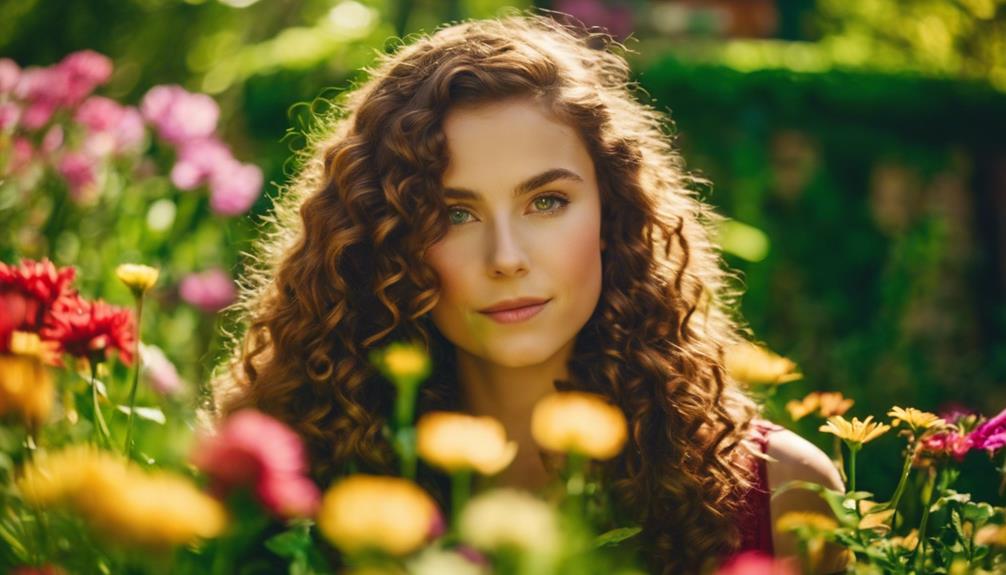
AI photos achieve lifelike quality through precise manipulation of light, textures, and colors, grounded in advanced algorithms and attention to real-world photographic parameters and details.
Sophisticated lighting and shadow simulations enhance realism, recreating authentic visual experiences.
Advanced generative models produce extremely lifelike images, replicating minute gradations and nuanced shifts in color.
AI models expertly mimic human-like subtlety in textures and details, integrating emotional cues from source images to create a powerful sense of realism.
These advanced techniques allow AI-generated images to replicate intricate nuances of real-life scenes, creating a convincing and immersive experience.
Key Takeaways
What Makes AI Photos Look Real?
AI photos are incredibly lifelike because of several advanced techniques:
- Realistic Lighting AI algorithms simulate lighting and shadows.
- Textural Details Generative models reproduce subtle textures and materials.
- Coherent Colors AI image generation applies color theory principles for authenticity.
Key to Photorealistic Images
The key to photorealistic images lies in advanced AI algorithms that skillfully manipulate lighting, textures, and details to create highly realistic and detailed photographs identical to those captured by cameras.
This manipulation is made possible by the careful consideration of real-world elements, such as lighting conditions, scene components, and the nuances of textures and materials.
AI models, particularly those employing Generative Adversarial Networks (GANs), have become adept at generating textures, reflectances, and accents that closely mimic real-world counterparts.
Sophisticated lighting and shadow simulations enhance the realistic effect, giving AI-generated images an unparalleled level of authenticity.
Film Stock Influence on AI
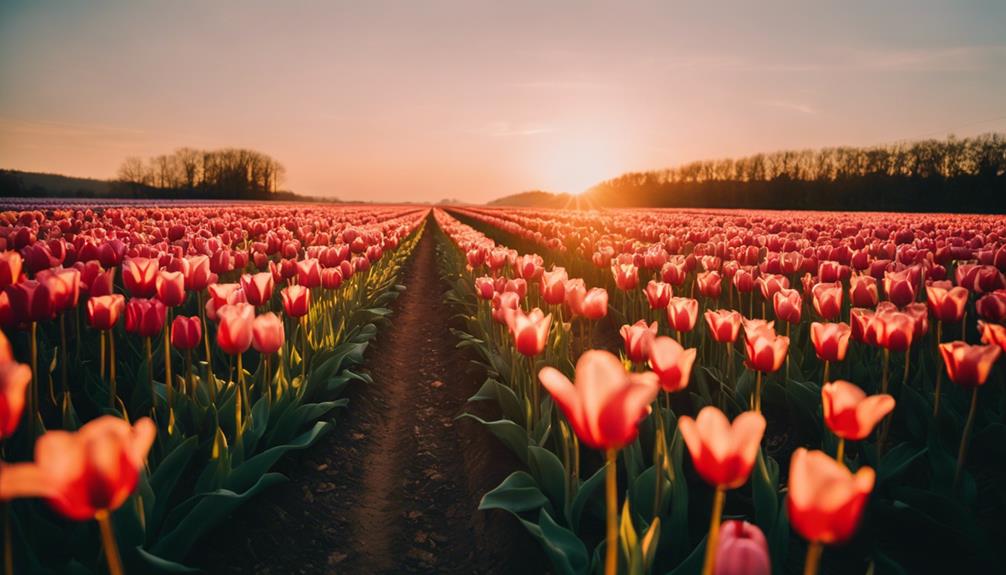
Film Stock Influence AI
The distinct styles and aesthetic traits of film stocks play a crucial role in generating realistic and visually appealing images using AI technology.
Mentioning precise film stocks, such as Fujifilm Velvia 400 or Kodak Tri-X, significantly impacts the aesthetic of AI-generated images.
The type of film mentioned narrows down the reference models, allowing advanced AI systems to create images with characteristics unique to that film stock.
Fujifilm Velvia 400, for example, is synonymous with vivid colors and sharp contrasts, which are elegantly replicated in AI-generated images.
The film stock used also affects the grain, dynamic range, and texture of the final image, culminating in a more realistic and genuine film-like appearance.
This approach simplifies the image generation process as users do not need to specify other parameters already inherent in the chosen film style.
The result is an AI-generated image that mirrors the intrinsic attributes of the specified film stock, delivering high-quality, photorealistic images with extraordinary precision and realism.
Enhancing AI-Generated Images
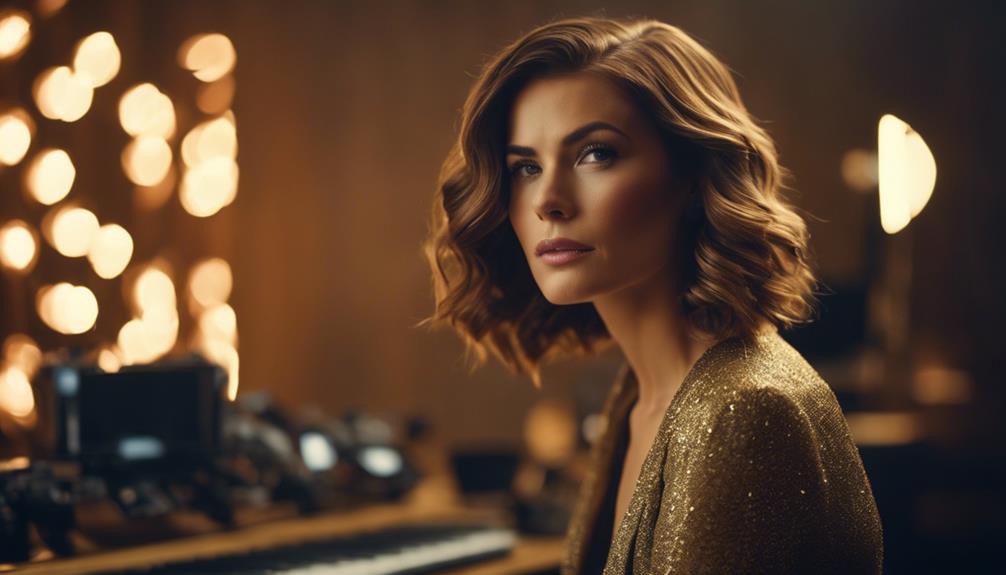
Transforming AI-generated images into photorealistic masterpieces often demands advanced tools and techniques.
Face26 leverages its advanced algorithms to enhance facial features and expressions, breathing life into AI-generated portraits. This technology can also refine textures, lighting, and various visual elements.
The Realistic AI Image Converter is another powerful tool that improves the realism of generated photos by applying advanced algorithms.
Users can upload AI-generated images to Face26, apply the Enhancer, and download the enhanced version in just a few clicks. This elevates AI-generated images to unprecedented realism.
Photographic Parameters in AI
Photographic parameters in AI-generated images play a crucial role in achieving realistic, immersive results. These parameters include ISO sensitivity, aperture, shutter speed, white balance, and contrast. Each of these elements significantly impacts the quality and authenticity of AI-generated images.
ISO sensitivity is vital as it affects the noise and grain in the image. Higher ISO settings introduce noise, whereas lower ISO settings produce cleaner, more detailed images.
Aperture control is also critical, as different settings result in varying depths of field. Narrower apertures lead to deeper depth of field, while wider apertures create a shallower depth of field. Wider apertures, such as f/1.8, can produce a shallow depth of field and enhance the isolation of the subject.
Shutter speed is key in capturing motion. Higher shutter speeds freeze motion, while lower speeds create blur. The choice of shutter speed is essential in creating realistic depictions of movement and motion.
White balance and contrast define the overall tone and lighting conditions of the image, adding to its realism.
The choice of lens also profoundly affects the perspective and distortion in AI-generated images. Different lens types, such as wide-angle, telephoto, fisheye, and macro, produce distinct visual effects. Wide-angle lenses capture a broader view, whereas telephoto lenses showcase a narrower field of view.
Understanding and mastering these photographic parameters are crucial for generating AI images that accurately mimic real-life conditions and provide an immersive experience.
Lighting and Shading Techniques
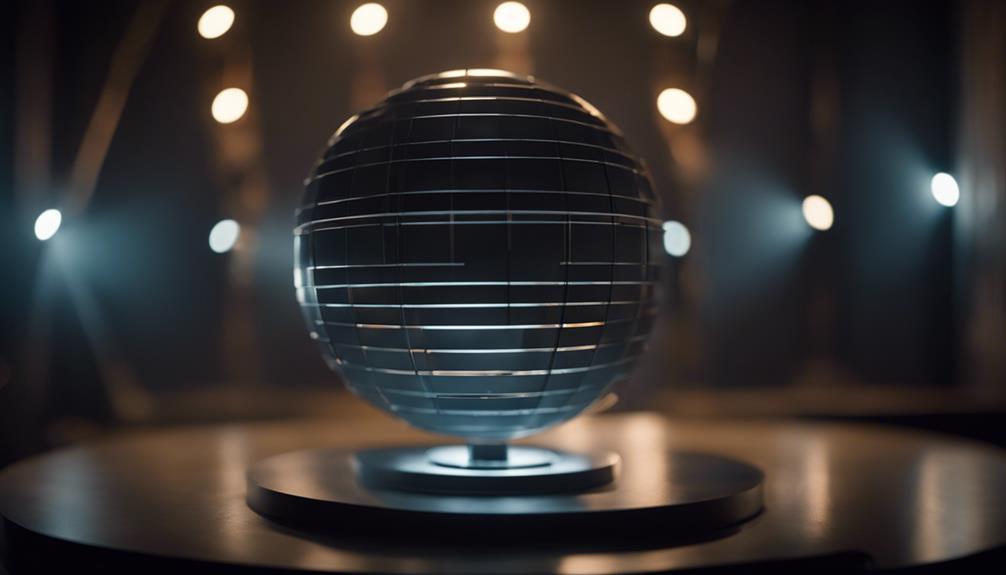
Lighting and Shading Techniques
Authenticity in AI-Generated Images
Physically Based Rendering accurately simulates complex lighting scenarios by integrating advanced techniques such as 3D rendering and physics-based light interactions. This raises the bar for realistic AI-generated images by replicating natural lighting conditions, including shadows, highlights, and reflections.
Advanced algorithms and large datasets enable AI image generators to apply physics principles to light-surface interactions, substantially contributing to their believability.
Emotional Cues through Lighting
AI-generated images often emphasize positive emotions in scenes by subtly adjusting lighting to convey powerful emotional stories.
By integrating emotional cues into the lighting, these images can evoke a sense of authenticity and emotional connection.
This is particularly evident in the work of EmoEditor, which employs a dual-branch architecture to integrate emotion-conditioned global context and local emotional cues from source images.
Textures and Details Improvement
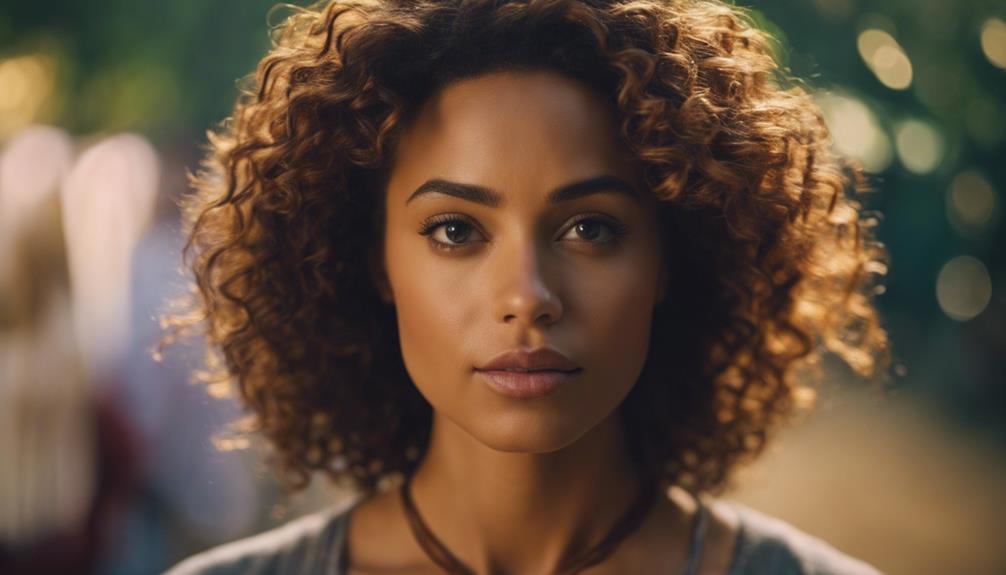
The inclusion of subtly nuanced textures and delicate details has become a critical element in making AI-generated images convincingly realistic and evocative.
Advanced generative models, particularly those incorporating the power of generative adversarial networks (GANs), have revolutionized the visual landscape by producing extremely lifelike images.
These advanced models are capable of mimicking human-like subtlety in their generated output, giving users unprecedented control and precision over image creation.
Advanced tools like Adobe's Photoshop and realistic AI generators empower users to create photorealistic images with ease, making it a crucial skill in today's creative industry.
AI-Controlled Composition and Framing
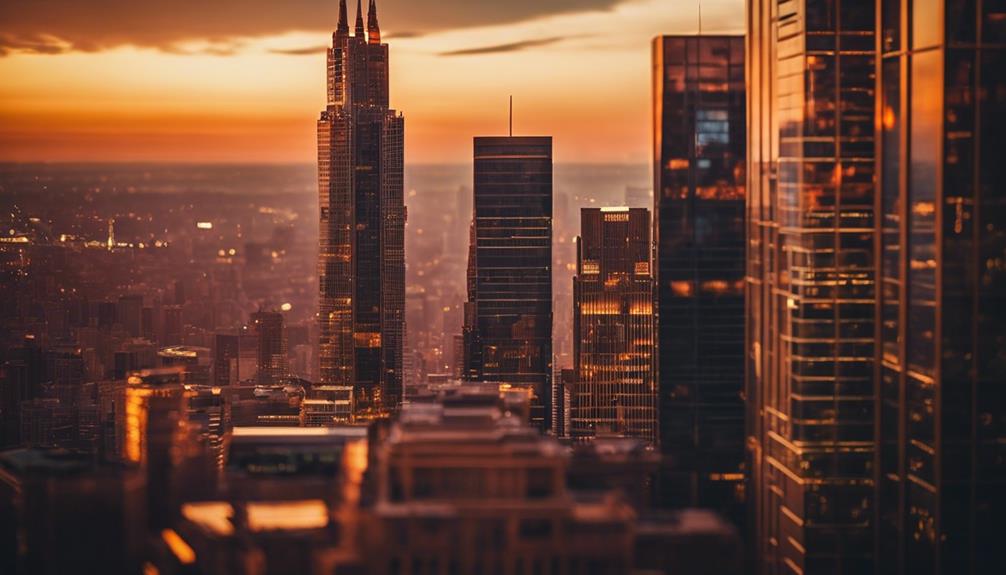
AI-controlled composition and framing have made significant strides in advanced AI-generated images, substantially improving visual deception by mastering narrative storytelling within a single frame.
They apply compositional techniques like the rule of thirds and leading lines with uncanny precision, mirroring human photographers' methods and producing aesthetically striking and realistic images.
Furthermore, AI-generated images can create a profound sense of depth, distance, and perspective, enhancing their realism.
This mastery of composition and framing allows AI to craft complex scenes with multiple elements, such as characters, objects, and backgrounds, arranged naturally.
With AI's capacity to simulate human photographers' techniques, the resulting images are often indistinguishable from those taken by professionals, contributing to the blurring of lines between what is real and what is artificially constructed.
Advanced Color Theory for Realism

Advanced Color Theory for Realism
AI-Generated Photorealism: Color Mastery
AI-generated images have taken photorealism to the next level by incorporating minute gradations, nuanced shifts, and chromatic fine-tuning. This achievement is rooted in the strategic incorporation of advanced color theory principles, such as the Munsell color system, which accurately recreates the complex interactions between color, light, and texture.
By harnessing color contrast, harmony, and saturation, AI-generated images evoke emotions, convey atmosphere, and create a sense of authenticity, blurring the line between real and artificial visuals.
Color Theory in Practice
In photorealistic image generation, the precise use of color theory principles creates a sense of realism. For instance, glazing techniques allow for realistic transitions in color by layering and shifting color values effectively.
This layered approach, inspired by classical painting methods, ensures that the final image appears lifelike and detailed.
AI Color Manipulation
When it comes to color manipulation in AI-generated images, users can control the outcome by specifying colors using precise prompts.
Using strings such as 'bright green, pastel purple, bright yellow' can help AI models confine themselves to a specific color palette, resulting in images that closely match the intended color scheme.
Such precision in color control enhances the overall realism and visual impact of AI-generated visuals.
Photorealism in AI-Generated Images
The key to achieving photorealism lies in the attention to detail in lighting, textures, and colors.
By incorporating these elements, AI-generated images can replicate the intricate nuances of real-life scenes.
For instance, a scene set in a specific time of day and weather conditions can significantly enhance the sense of realism by accurately capturing the lighting and color contrasts.
Conclusion
Advanced color theory has been instrumental in elevating AI-generated images to photorealistic quality.
By mastering the subtleties of color, AI models can create visuals that evoke emotions and transport viewers into seemingly real-world scenarios.
This level of realism has far-reaching implications for the worlds of art, design, and entertainment.
Frequently Asked Questions
Is AI Photography Real Photography?
Is AI Photography Real Photography?
AI-generated images blur the lines between realism and authenticity in photography. While they can mimic technical skill, they lack human touch and creative control, casting doubt on their artistic license.
Key Takeaways:
- AI-generated images lack human touch and creative control.
- Technical skill can be mimicked, but not artistic expression.
- Authenticity and realism are challenged by AI-generated works.
Why Do Ai-Generated Images Look Like That?
Why AI-Generated Images Look Unreal:
AI-generated images often appear unnatural due to artistic flaws, technical limitations, and data biases. Their algorithms struggle to replicate intricate textures, nuanced expressions, and coherent spatial relationships, causing a noticeable gap in realism and style consistency.
- Artistic Flaws: AI algorithms lack the personal touch and cultural context that human artists bring to their work, making AI-generated images seem sterile and lacking depth.
- Technical Limitations: AI's inability to fully understand human experiences and emotions results in images that fail to evoke the same emotional connection as human art.
- Data Biases: Training data sets contain biases that are reflected in the generated images, perpetuating problematic stereotypes and imagies, and encoding these into the future of image-making.
How Do You Tell if an Image Is Real or Ai?
To ensure that you can effectively Detect , Evaluate, and Identify image authenticity, use the following methods:
- Examine pixel patterns and noise signatures through image forensics.
- Analyze metadata for AI-generated tags.
- Inspect for visual inconsistencies in textures, body parts, lighting, and compositions.
Why Are AI Images Distorted?
AI-Generated Images: A Discussion on Distortion and Noise
AI-generated images frequently exhibit distortion due to pixelation issues and resolution limits. Flawed algorithms often oversimplify or over-aggressively apply noise reduction, causing unintended image artifacts.
- Pixelation issues arise when images are converted from vector to raster formats, leading to pixelation and loss of details.
- Resolution limits are another major cause, especially when upscaled or compressed images lead to lost details.
- Flawed algorithms can significantly impact image quality, as they may either oversimplify or over-aggressively apply noise reduction, causing unwanted artifacts.
