

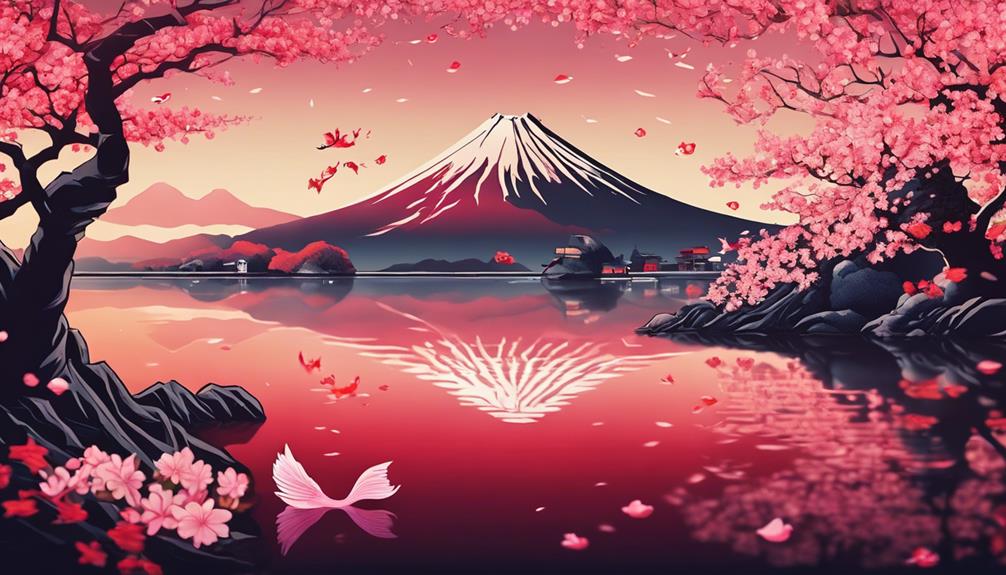
Cherry blossoms hold a central place in old Japanese tattoo art, reflecting their deep cultural importance. The sakura symbolizes the fleeting nature of life, resonating with Buddhist principles of impermanence.
During the Edo period (1603-1868), cherry blossom motifs gained popularity in traditional irezumi designs. Tattoo artists often combined sakura with other meaningful elements like koi fish or dragons, creating intricate compositions.
The gentle beauty of cherry blossoms offers a striking contrast to more bold imagery in tattoos. This visual appeal, coupled with their profound symbolism, has maintained the popularity of sakura in tattoo art.
Cherry blossom tattoos serve as a gateway to understanding Japanese culture and aesthetics. They represent a blend of visual beauty and philosophical depth, making them a enduring choice in both traditional and modern tattoo styles.
Key Takeaways
- Cherry blossoms in tattoos represent life's fleeting nature in Japan.
- Sakura's cultural importance influences traditional Japanese tattoo designs.
Cultural Significance of Sakura
Cherry blossoms, or sakura, hold deep-rooted significance in Japanese culture. Their fleeting beauty symbolizes life's transience, influencing art, literature, and daily experiences for centuries.
Hanami, the tradition of flower viewing, began in the Heian Period (794-1185). People gather annually to admire sakura blooms, contemplating life's impermanence and celebrating renewal.
Cherry blossoms serve as powerful metaphors in Japanese poetry and visual arts. They represent both life's joys and its inevitable passing, shaping Japanese perceptions and values.
Japan's collective anticipation of sakura forecasts highlights their cultural importance. This national fascination demonstrates how natural beauty continues to influence society and shape human experiences.
Symbolism in Japanese Tattoo Art
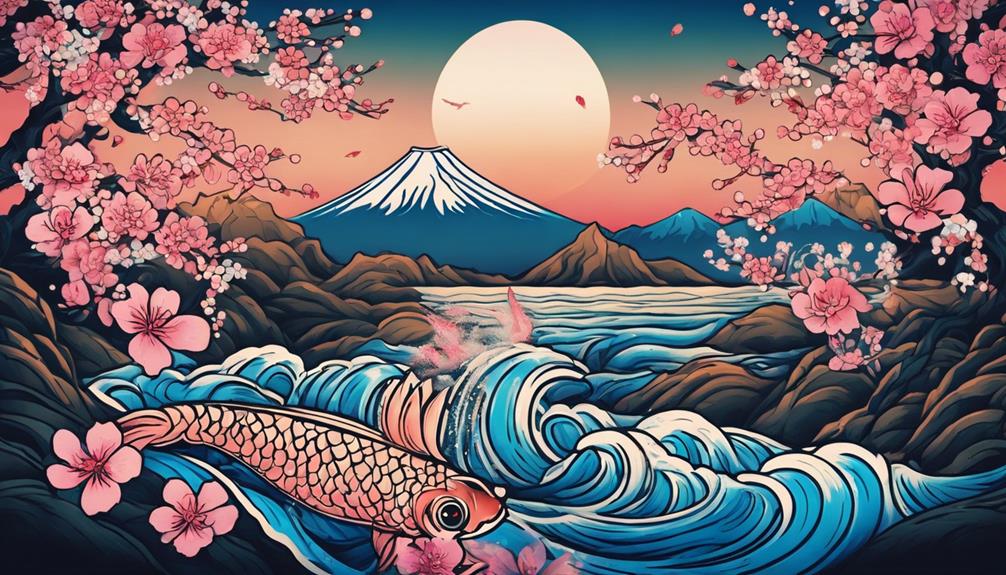
Cherry blossoms have become a significant motif in Japanese tattoo art, known as 'irezumi.' These delicate flowers carry deep symbolic meanings rooted in Japan's history and philosophy.
The brief blooming of sakura represents life's fleeting nature, aligning with Buddhist ideas of impermanence. Their annual appearance also signifies renewal and the start of spring, offering hope and new beginnings.
Tattoo artists often combine cherry blossoms with other elements like koi fish or samurai figures. This creates rich narratives that reflect Japanese cultural values and historical references.
The soft petals of sakura provide a striking contrast to bolder imagery in tattoo designs. This balance exemplifies the harmony sought in Japanese artistic aesthetics.
The ongoing use of cherry blossoms in tattoo art highlights their enduring cultural significance in Japanese society. It shows how traditional symbols can evolve and remain relevant in modern artistic expressions.
Seasonal Expressions and Traditions
Cherry blossoms hold deep significance in Japan's cultural heritage. Their brief blooming period each spring has shaped Japanese aesthetics and philosophy over centuries.
The tradition of hanami, or flower viewing, began during the Nara period (710-794) and continues to be a beloved custom. Hanami gatherings under cherry trees celebrate life's fleeting nature.
This practice has inspired countless artworks, including prints, poems, and tattoos. Cherry blossoms signal the start of spring in Japan, representing renewal and hope.
In Japanese tattoo art, cherry blossoms symbolize the transient nature of life and beauty. Their inclusion in traditional designs highlights the cultural importance of these seasonal expressions.
Body art serves as a means to preserve and continue this rich heritage. The short lifespan of cherry blossoms reflects the Buddhist idea of mono no aware.
This concept emphasizes a bittersweet awareness of impermanence, deeply rooted in Japanese culture. Cherry blossom imagery reminds people to appreciate life's fleeting moments.
Hanami: Cherry Blossom Viewing Parties
Hanami: A Timeless Japanese Tradition
Cherry blossom viewing parties, known as hanami, have been a cherished Japanese custom since the Heian Period (794-1185). These gatherings celebrate the fleeting beauty of sakura blooms, reflecting the deep cultural appreciation for nature's transient moments.
Popular hanami spots include Ueno Park and Shinjuku Gyoen National Garden, where people gather hours in advance to secure prime viewing locations. The tradition's historical significance is evident in Asukayama Park, established in 1720 by Shogun Tokugawa Yoshimune specifically for enjoying cherry blossoms.
The enduring practice of hanami has influenced various aspects of Japanese culture, including tattoo art. Cherry blossoms in tattoos often symbolize life's impermanence and the importance of appreciating beauty in the present moment.
Social significance of hanami extends beyond mere flower viewing. These gatherings provide opportunities for people to bond, relax, and reflect on the cyclical nature of life, reinforcing community ties and cultural values.
The popularity of hanami continues to grow, with both locals and tourists participating in this seasonal celebration. Many companies and organizations host hanami parties, fostering team building and social connections in a natural setting.
Historical Roots of Sakura Motifs
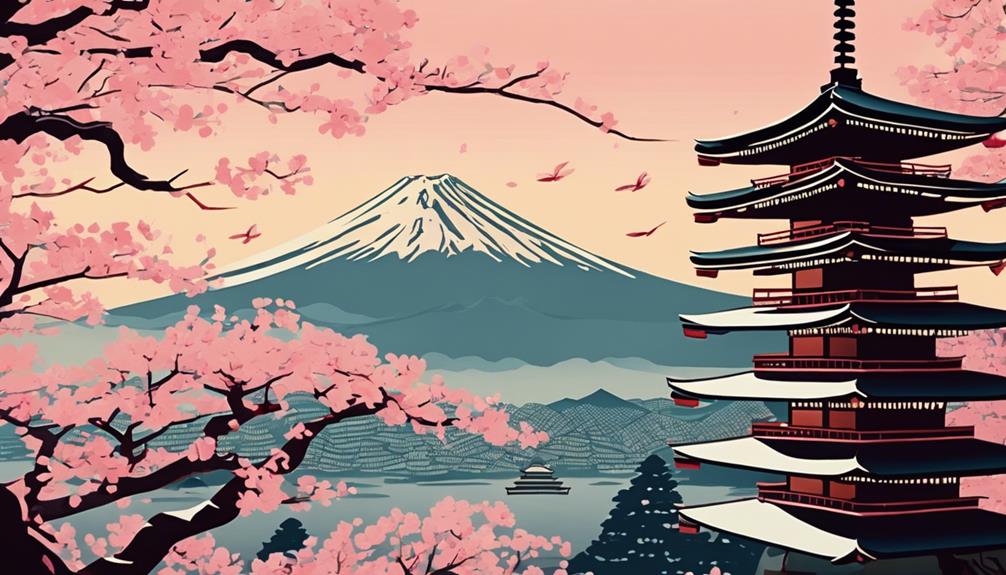
Cherry Blossom Roots in Japanese Culture
The sakura motif's history in Japan dates to the 8th century. Early evidence shows cherry blossom viewing parties during the Nara Period (710-794 CE), setting the stage for their lasting importance in Japanese aesthetics.
Hanami, or flower viewing parties, gained popularity among aristocrats in the Heian Period (794-1185 CE). This tradition strengthened the cultural significance of cherry blossoms. The 14th century saw deliberate cultivation of cherry trees as ornamental plants, leading to widespread planting across Japan.
During the Edo Period (1603-1868), cherry blossoms became a prominent theme in Japanese art and literature. Ukiyo-e woodblock prints often featured sakura, further elevating their cultural status.
The Meiji Period (1868-1912) cemented cherry blossoms in Japan's cultural identity. The rise of sakura-themed festivals and celebrations solidified their dominance in Japanese art and cultural expression, a tradition that continues today.
Artistic Techniques in Sakura Tattoos
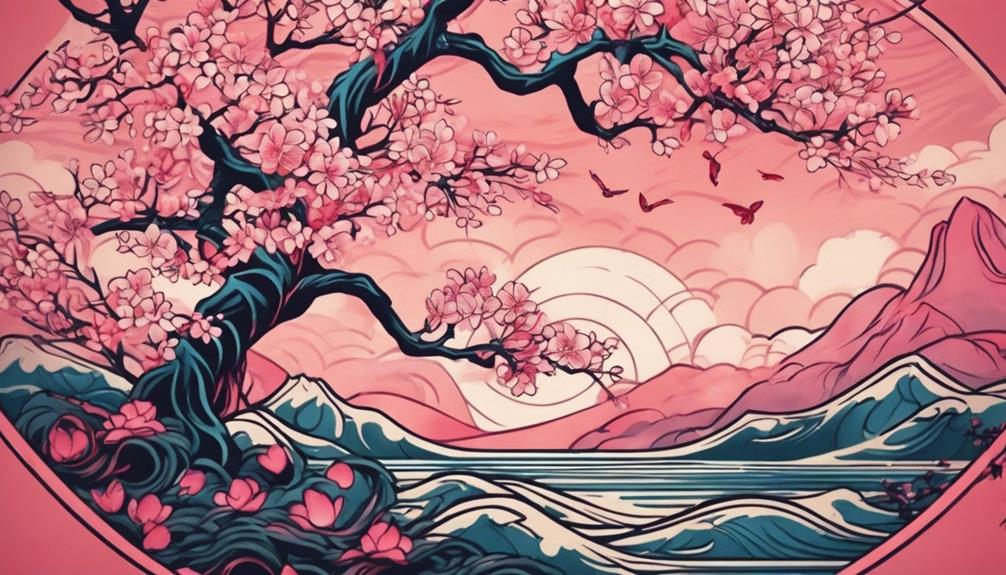
Sakura tattoos in Japanese art employ soft shading, precise lines, and thoughtful colors.
These methods capture cherry blossoms' fleeting beauty and cultural meaning.
Artists often use the tebori technique to create designs that blend with body contours.
The skillful use of these artistic elements helps convey the concept of 'yūgen' in sakura tattoos.
This Japanese aesthetic principle emphasizes the profound emotions evoked by subtle, transient experiences like the brief blooming of cherry blossoms.
Soft Shading Techniques
Sakura tattoos showcase the ephemeral beauty of cherry blossoms through skillful soft shading techniques. Artists blend colors and create subtle gradients to capture the flower's delicate nature.
Japanese tattoo masters use hand-poking and hand-carving methods for precise ink application. These techniques allow for intricate details and lifelike representations of cherry blossoms.
The art of soft shading in sakura tattoos reflects Japanese aesthetic principles. It emphasizes impermanence and subtlety, mirroring the fleeting nature of cherry blossoms in spring.
Skilled artists create depth and dimension in their tattoos through careful color blending. This approach gives the impression of petals floating on a gentle breeze.
Precision and patience are crucial in crafting cherry blossom tattoos. Artists strive to convey fragility and grace in every petal and branch they ink.
The meticulous approach to soft shading in sakura tattoos showcases the high level of craftsmanship in traditional Japanese tattooing. It requires years of practice and dedication to master these techniques.
Line Work Precision
Sakura tattoos showcase masterful line work precision. Artists must control needle and ink expertly to create delicate petals and intricate branching patterns.
The traditional Japanese hand-poking technique, tebori, excels at capturing cherry blossom nuances. Artists' skills are tested by lace-like patterns along blossom edges. A steady hand and keen eye are essential for creating these intricate designs.
The balance between bold, expressive lines and delicate details creates visual harmony in high-quality Japanese tattoo art.
Subtle gradations in tone and shade enhance the depth and dimensionality of sakura tattoos. This meticulous approach transforms these designs into complex works of art.
The skill and dedication of traditional Japanese tattoo artists are evident in every petal and branch. The precision required for sakura tattoos goes beyond mere decoration.
These tattoos exemplify the rich cultural heritage of Japanese art. The intricate patterns and shapes draw viewers in, showcasing the artist's ability to render nature's beauty on skin.
Color Palette Choices
Color choices significantly impact sakura tattoos in Japanese art. Artists use various pink shades to represent cherry blossoms' fleeting beauty. These colors contrast with bold black outlines, creating visually striking designs.
Tattoo artists draw inspiration from nature when selecting colors for cherry blossom tattoos. They employ techniques like layering and blending to achieve a soft, watercolor-like effect. This approach mimics the gentle color transitions found in real cherry blossoms.
The careful application of color and strategic use of negative space add depth to sakura tattoos. These methods make the designs appear almost three-dimensional on the skin. The result is a harmonious blend of traditional Japanese art and modern tattooing techniques.
Cherry blossom tattoos have become iconic in the tattoo world. Their popularity stems from the skillful combination of delicate colors and bold outlines. This unique style captures the essence of Japanese culture and natural beauty.
Sakura in Literature and Poetry
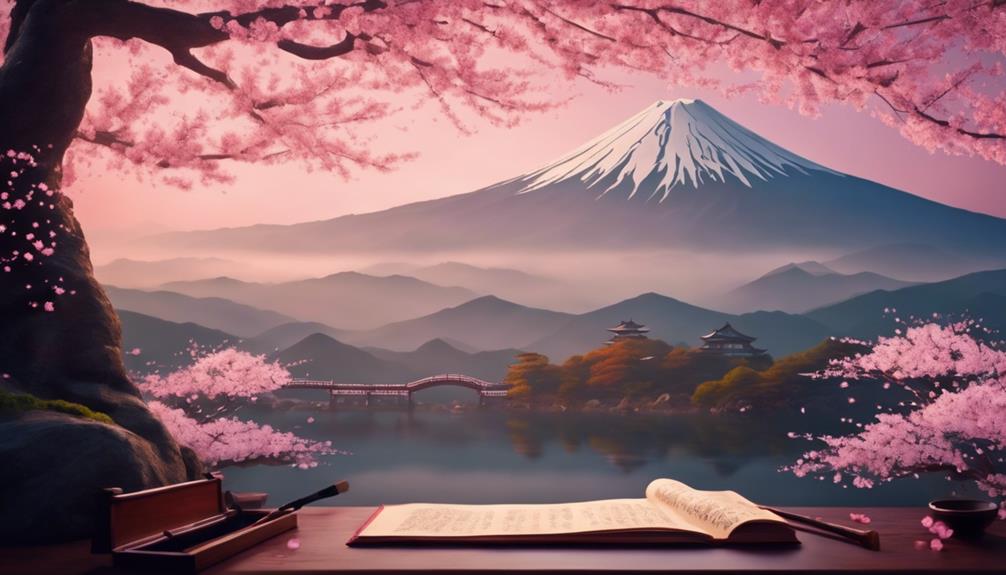
Sakura's Influence on Japanese Arts
Cherry blossoms, or sakura, play a crucial role in Japanese literature and poetry. Their fleeting beauty serves as a powerful metaphor for life's impermanence, inspiring countless works across generations.
Hanami, the tradition of viewing cherry blossoms, has deep roots in Japanese culture.
This practice, dating back to the Heian Period, has sparked numerous literary pieces that capture the essence of this cherished custom.
In haiku, Japan's concise poetic form, sakura often takes center stage. Poets use the delicate blossoms to evoke complex emotions and reflect on the transient nature of existence.
The cultural significance of sakura extends beyond poetry, influencing various art forms.
Paintings, novels, and even modern media frequently feature cherry blossoms as a symbol of beauty, renewal, and the passage of time.
Symbolic Meaning in Haiku
Cherry blossoms hold deep symbolic meaning in Japanese haiku. These delicate flowers represent the fleeting nature of life and beauty, capturing the essence of mono no aware.
Haiku poets use cherry blossoms to convey impermanence and the appreciation of momentary beauty. This symbolism goes beyond simple nature observation, encompassing profound cultural and philosophical ideas.
The hanami tradition, dating back to the Heian Period, celebrates cherry blossom viewing.
Haiku often portrays both the natural beauty of sakura and the human experience of observing them, as seen in Kitao Shigemasa's 18th-century artwork.
This intertwining of nature and human experience in haiku highlights the interconnectedness of all things.
Cherry blossoms serve as a powerful metaphor for life's transience and the importance of cherishing fleeting moments.
The symbolic significance of cherry blossoms in haiku extends to broader Japanese cultural expression.
It reminds us to appreciate the beauty around us and embrace life's impermanence.
Hanami-Inspired Literary Works
Cherry blossoms have been a cornerstone of Japanese literature since the Heian Period (794-1185). They replaced plum blossoms in hanami celebrations, becoming a symbol of life's fleeting nature.
Ariwara no Narihira, a renowned poet, popularized cherry blossoms in his works. The classic novel 'The Tale of Genji' uses sakura as a powerful symbol of transience and beauty, cementing their place in Japanese cultural expression.
Kitao Shigemasa's 18th-century haiku exemplifies the enduring influence of hanami-inspired literature. His poem compares the blooming of cherry blossoms to human life, highlighting the dual symbolism of sakura in Japanese culture.
This rich literary tradition has shaped how cherry blossoms are portrayed in various art forms. Tattoo artists often draw inspiration from these poetic representations, incorporating sakura motifs into their designs.
The impact of hanami-themed literature extends beyond poetry and prose. It has influenced painting, theater, and even modern pop culture, showcasing the lasting significance of cherry blossoms in Japanese artistic expression.
Sakura as Poetic Metaphor
Cherry blossoms, or sakura, have been a powerful symbol in Japanese literature for centuries. They represent the fleeting nature of life and beauty, a concept deeply ingrained in Japanese culture since the Heian Period (794-1185).
Hanami, the tradition of viewing cherry blossoms, became popular during this time and often appeared in literary works. The Tale of Genji, a cornerstone of Japanese literature, uses sakura to illustrate the temporary nature of human existence.
Japanese poets, especially those writing haiku, frequently use cherry blossoms to explore themes of impermanence. Matsuo Bashō and Yosa Buson, renowned poets, skillfully incorporated sakura imagery in their work. They often paired cherry blossoms with other seasonal elements to create rich emotional landscapes.
This symbolism continues to influence modern Japanese writers. They draw on centuries-old traditions to examine human experiences through the lens of sakura's brief but beautiful existence.
The enduring appeal of cherry blossoms in literature reflects their deep cultural significance.
Contemporary authors use sakura imagery to discuss current issues and universal themes. They adapt this traditional symbol to reflect modern sensibilities while maintaining its core meaning. This evolution keeps the cherry blossom metaphor relevant in today's literary landscape.
Traditional Design Rules and Combinations
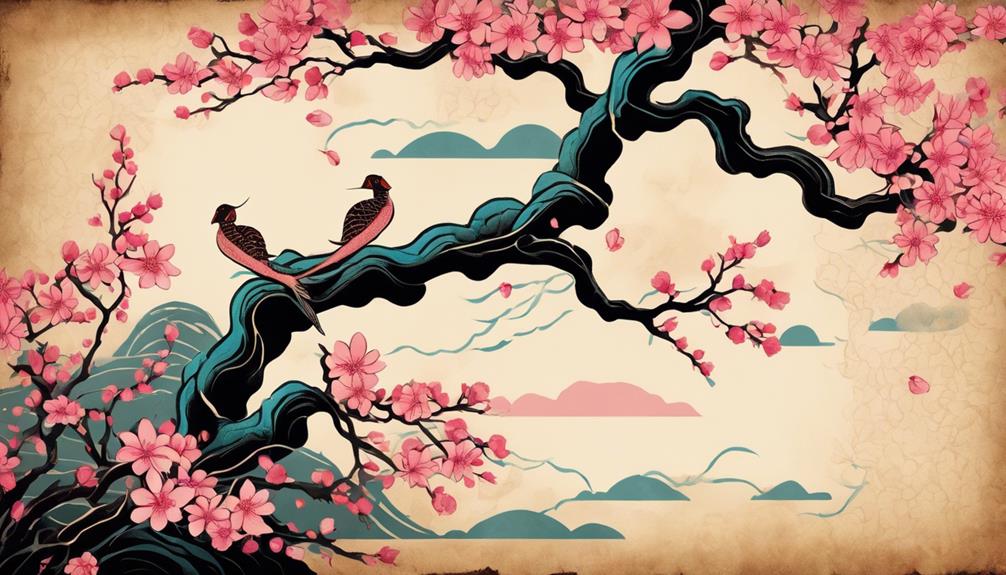
Japanese irezumi tattoos follow established principles for incorporating cherry blossoms into larger designs. These delicate flowers often pair with symbolic elements like koi fish, dragons, and phoenixes to create meaningful narratives.
Tattoo artists consider body contours when placing cherry blossoms, often depicting petals scattered by wind to create flow across the skin. This technique helps the design blend with natural body lines and muscles.
Traditional cherry blossom tattoos use a limited color palette, focusing on soft pinks and whites. These gentle hues contrast with bolder colors used for primary design elements, adding depth to the overall composition.
Irezumi artists skillfully balance symbolism and aesthetics in their cherry blossom designs. They carefully arrange elements to tell stories or convey themes while maintaining visual harmony and respecting traditional techniques.
The popularity of cherry blossom tattoos extends beyond Japan, with many people worldwide appreciating their beauty and symbolism. However, getting an irezumi-style tattoo requires finding an artist well-versed in this specific cultural art form.
Evolution of Cherry Blossom Tattoos
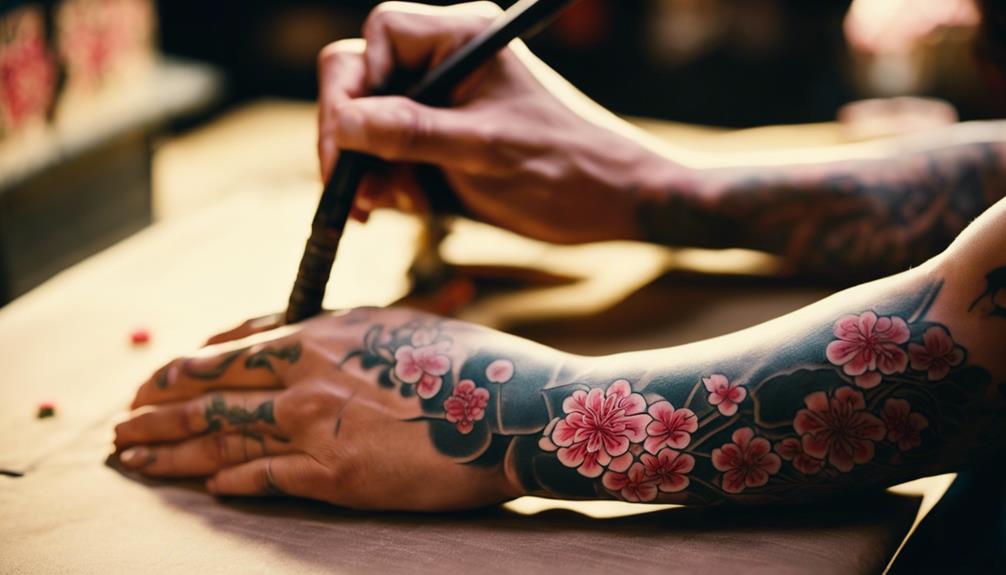
Cherry blossom tattoos in Japanese art have a long history, dating back to 10th century Japan.
Their popularity peaked during the Edo period (1600-1868), when they became a key element in traditional Japanese tattoo art, known as horimono.
The tattoos' development is closely tied to hanami, the Japanese custom of flower viewing. As hand-tattooing techniques improved, artists began using cherry blossoms to symbolize life's fleeting nature and beauty's impermanence.
Over time, unwritten rules emerged to guide the creation of cherry blossom tattoos, preserving their cultural significance. These designs often incorporate other symbolic elements like koi fish and waves, reflecting the complexity of Japanese aesthetics and philosophy.
The evolution of cherry blossom tattoos showcases the rich cultural heritage of Japan.
Their enduring popularity in modern tattoo art demonstrates their timeless appeal and deep-rooted symbolism.
Today, cherry blossom tattoos continue to captivate people worldwide, serving as a bridge between traditional Japanese art and contemporary tattoo culture.
Their delicate beauty and profound meaning make them a popular choice for those seeking a tattoo with cultural depth.
Sakura's Influence on Western Tattooing
Sakura motifs have transformed Western tattooing since the late 20th century. Artists sought to broaden their designs with meaningful, exotic elements, and cherry blossoms fit the bill perfectly.
The symbolism of cherry blossoms, representing life's fleeting nature in Japanese culture, struck a chord with Western clients. This resonance led to a fusion of Eastern aesthetics and Western techniques, creating unique interpretations of the classic motif.
Western tattoo artists began combining sakura designs with realistic portraits and abstract elements. This blend of styles opened doors for broader exploration of Japanese-inspired tattoo art among Western enthusiasts.
Many tattoo studios in the West now offer specialized Japanese-inspired designs. Cherry blossom tattoos often serve as an entry point for clients interested in exploring this rich artistic tradition.
The integration of sakura in Western tattooing has fostered a significant cross-cultural exchange in body art. This intermingling of styles and symbolism has enriched the global tattoo landscape, creating new avenues for artistic expression.
Frequently Asked Questions
What Do Cherry Blossoms Symbolize in a Tattoo?
- Cherry blossoms symbolize life's temporary nature in tattoos.
- Tattoos of these flowers represent nature's cyclical patterns.
Why Are Cherry Blossoms Significant to Japan?
- Cherry blossoms symbolize Japan's cultural identity and spring celebrations.
- Their fleeting beauty reflects samurai values and life's impermanence.
When Did Tattoos Become Bad in Japan?
- Japan banned tattoos in 1872 during Meiji period.
- Tattoos became linked with criminal activity after the ban.
Why Is Japanese Culture Against Tattoos?
- Tattoos in Japan linked to criminal history.
- Religious beliefs contribute to negative tattoo perceptions.
