

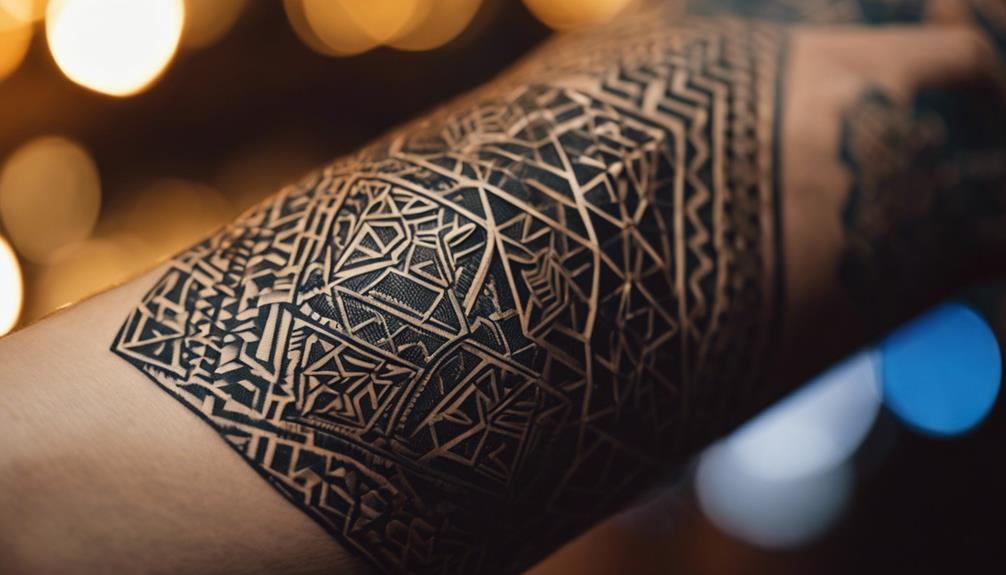
Geometric Tattoo Artistry on Inner Forearms
Intricate patterns blend math and art on inner forearms. These designs often use sacred geometry, minimalist shapes, and tribal motifs.
Mandala tattoos with concentric circles and symmetrical details are common choices.
Nature-inspired geometric shapes combine organic forms with mathematical structures. Abstract compositions use layered shapes and balanced asymmetry to create visual depth.
Artists arrange circles, triangles, and squares precisely, sometimes following the golden ratio.
The interplay between filled and empty spaces guides viewers through complex patterns.
These designs offer rich symbolism and visual creativity.
Tattoo enthusiasts can find inspiration in geometric art books or consult with experienced artists specializing in this style.
Popular geometric tattoo designs include the flower of life, sacred spirals, and tessellations.
Some people choose these tattoos for their aesthetic appeal, while others see them as representations of cosmic order or personal growth.
Key Takeaways
- Inner forearm geometric tattoos often feature sacred symbols and mandalas.
- Layered shapes and balanced asymmetry create visual depth in designs.
Sacred Geometry Symbols
Sacred geometry symbols blend intricate patterns with spiritual meaning. These designs represent the universe's structure and interconnectedness through visual forms like the Flower of Life and Seed of Life.
The circle stands out in sacred geometry, representing unity and infinity. Its perfect form symbolizes the eternal nature of the divine. Triangles often appear in these designs, suggesting balance and harmony. Hexagons play a key role in sacred geometry, echoing natural structures like honeycombs. This six-sided shape emphasizes the connection between individual parts and the whole.
Spirals feature prominently too, symbolizing growth and transformation.
Many people choose sacred geometry tattoos for their visual appeal and deeper meanings. These designs offer a way to express personal philosophies and spiritual beliefs through body art.
The popularity of sacred geometry in tattoos reflects a growing interest in ancient wisdom. Artists and clients alike are drawn to these symbols for their timeless beauty and supposed mystical properties.
Sacred geometry's influence extends beyond tattoos into various art forms and design fields. Its principles inspire architects, painters, and even digital artists seeking to incorporate cosmic harmony into their work.
Minimalist Geometric Designs
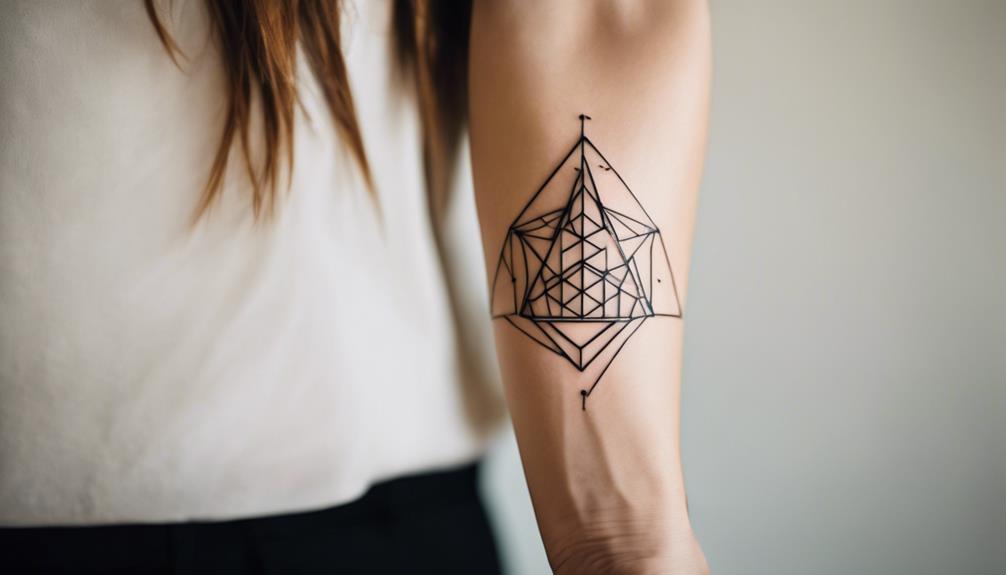
Minimalist geometric designs focus on essential elements, using basic shapes and clean lines to create striking visuals. These patterns often use circles, triangles, and squares in precise arrangements, with negative space enhancing the overall impact.
For inner forearm tattoos, minimalist geometric designs offer a sleek and modern approach. Artists may use dotwork or fine line techniques to create intricate yet understated patterns. The mix of angular and curved forms produces engaging contrasts, while repetitive motifs establish rhythm along the arm's contours.
Monochromatic color schemes, typically black ink on skin, emphasize the purity of form in these designs. The resulting tattoos exude timeless elegance and mathematical precision, appealing to those who appreciate simplicity and geometric abstraction.
These designs strip away complexity, leaving only the most essential visual elements. The limited color palette and precise configurations create a harmonious balance that's visually striking. Negative space plays a crucial role, allowing each element to stand out.
The appeal of minimalist geometric tattoos lies in their ability to convey complex ideas through simple forms. They offer a contemporary take on body art that's both subtle and impactful. For those seeking a refined and sophisticated aesthetic, these designs provide an excellent option.
Tribal-Inspired Geometric Patterns
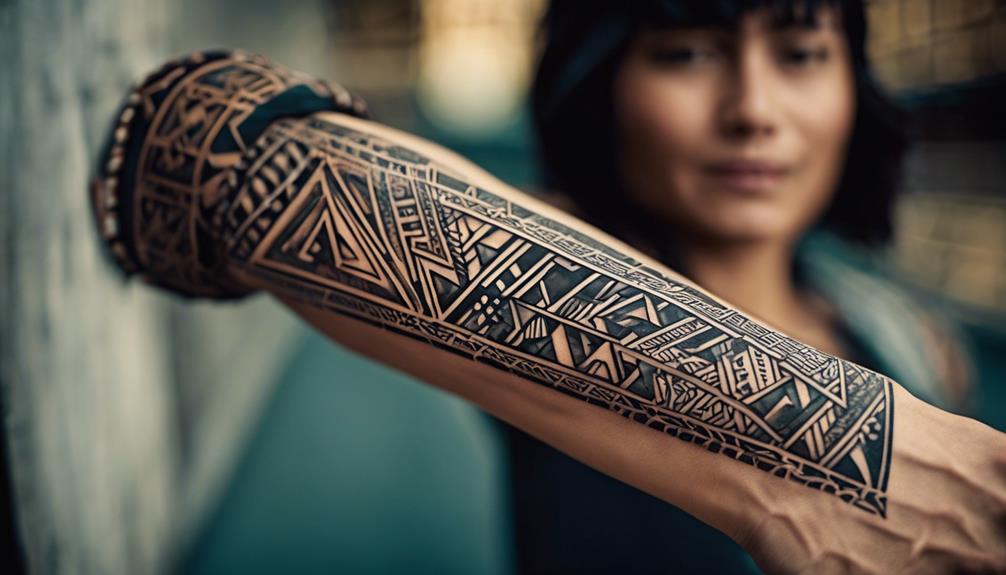
Tribal-inspired geometric patterns blend ancient cultural motifs with modern aesthetics. These designs feature bold black lines and geometric shapes on the inner forearm, symbolizing strength and resilience.
Artists can adapt these patterns to suit individual tastes, ranging from simple to complex. The contrast between lines and negative space highlights the geometric forms, creating a visually striking tattoo. These patterns often carry deep cultural meaning, connecting wearers to their heritage.
The mix of angular shapes and symmetrical arrangements balances tradition with modernity, resulting in timeless body art. Geometric tattoos on the inner forearm make a powerful statement. The placement allows for easy visibility and personal appreciation of the intricate design.
Some popular motifs in tribal-inspired geometric tattoos include triangles, circles, and repeating patterns. These elements can represent concepts like unity, eternity, or balance.
Choosing a skilled tattoo artist is crucial for achieving crisp lines and precise shapes. Research artists specializing in geometric designs for the best results.
Consider the size and complexity of the design based on your pain tolerance and desired visual impact. Larger, more detailed patterns may require multiple sessions.
Aftercare is essential for preserving the sharpness of geometric tattoos. Follow your artist's instructions carefully to maintain the crisp edges and bold contrast.
Mandala Forearm Tattoos
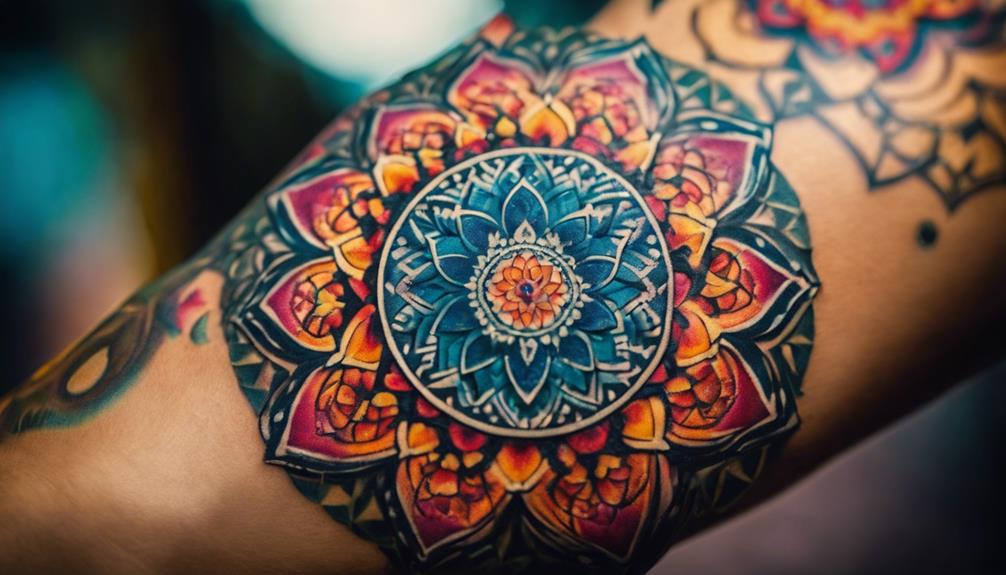
Mandala forearm tattoos blend intricate patterns with deep symbolism. These designs feature concentric circles and symmetrical details, drawing attention to a central point.
Rooted in ancient traditions, mandalas represent universal interconnectedness and personal growth.
The forearm provides an ideal space for these medium-sized pieces, offering flexibility in display. Mandala tattoos adapt to various styles and preferences.
Artists can create simple line work or complex, layered designs, often mixing in geometric shapes, flowers, or animal motifs.
The circular structure of mandalas wraps smoothly around the forearm. This creates a balanced and visually appealing tattoo that flows naturally with the body's contours.
Color choices for mandala tattoos range from black and grey to bright, multi-colored schemes. Each palette brings its own energy and meaning to the design.
The detailed patterns and spiritual significance of mandalas make them powerful tools for self-expression. They resonate with people seeking meaningful and visually striking body art.
Nature-Inspired Geometric Shapes
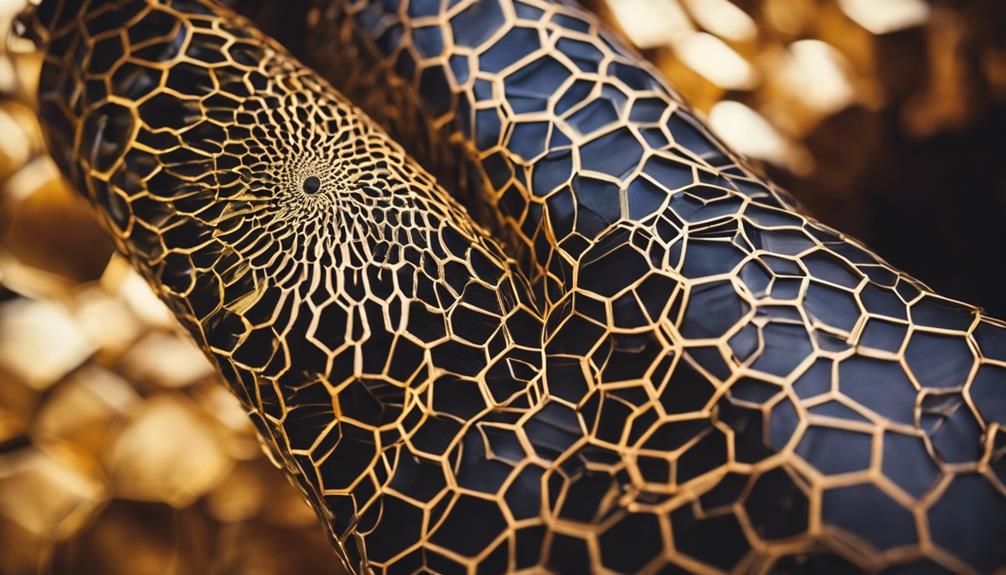
Nature-inspired geometric tattoos blend organic forms with mathematical precision. These designs combine floral elements, leaf patterns, and animal shapes with symmetrical structures, creating visually striking body art.
Floral geometric tattoos interweave petals and stems with precise patterns. This fusion of botanical elements and structured geometry results in eye-catching designs that appeal to nature lovers and math enthusiasts alike.
Leaf-inspired tattoos transform the intricate veins and contours of foliage into repeating shapes. These designs often feature tessellating patterns that flow seamlessly across the skin, mimicking the natural growth of plants.
Animal-based sacred geometry incorporates the curves and proportions of fauna into complex structures. These tattoos often use interconnected lines and shapes to represent the essence of various creatures, from birds to mammals.
Floral Geometric Designs
Floral geometric designs blend organic forms with mathematical precision. These compositions interweave stylized botanical elements and intricate geometric patterns, creating visually striking artwork.
The designs use interconnected shapes like hexagons, triangles, and circles to form elegant floral motifs. This combination of structured geometry and fluid, nature-inspired forms creates an engaging visual contrast.
Floral geometric designs offer a range of artistic possibilities, from subtle to complex. Their adaptability makes them ideal for inner forearm tattoos, as they can be customized to fit the arm's natural shape.
Artists enhance these designs using color, shading, and texture to add depth. The symbolic meaning of floral geometric patterns represents the interplay between structure and natural beauty.
These designs serve as a visual metaphor for nature's complexity and harmony. They appeal to those seeking a meaningful and aesthetically pleasing tattoo option.
Leaf-Inspired Patterns
Organic Forms in Geometric Designs
Leaf-inspired patterns blend natural elements with mathematical precision, creating visually striking inner forearm tattoos.
These designs combine the intricate structure of foliage with geometric shapes, resulting in a sophisticated fusion of curvilinear and angular elements.
Artists adapt these patterns to the contours of the inner forearm, creating fluid designs that move with the wearer.
The integration of shapes like triangles, circles, or hexagons enhances visual complexity, balancing nature and mathematics.
Leaf-inspired patterns offer a range of artistic interpretations, from minimalist single leaves to complex networks of veins and branches.
These tattoos often symbolize growth and renewal, giving them personal significance beyond their aesthetic appeal.
The versatility of these designs allows for customization, making each tattoo unique to the individual.
Artists can incorporate different leaf types, geometric elements, and shading techniques to create a truly personalized piece.
Animal-Based Sacred Geometry
Animal-based sacred geometry tattoos blend natural forms with mathematical structures. These designs create visually striking patterns that represent various animal qualities through geometric shapes.
Wolf tattoos use angular lines to show strength, while deer tattoos incorporate delicate patterns for gentleness. Elephant tattoos feature bold, connected shapes to represent wisdom.
Bird designs like peacocks or eagles use intricate patterns mimicking feathers and flight. Giraffe tattoos have elongated shapes capturing the animal's unique silhouette.
These tattoos on the inner forearm combine animal traits with geometric precision. The result is meaningful and visually appealing body art that merges nature with mathematics.
Animal-based sacred geometry tattoos offer a unique way to express personal values through art. They allow individuals to connect with animal symbolism while appreciating mathematical beauty.
Abstract Geometric Compositions
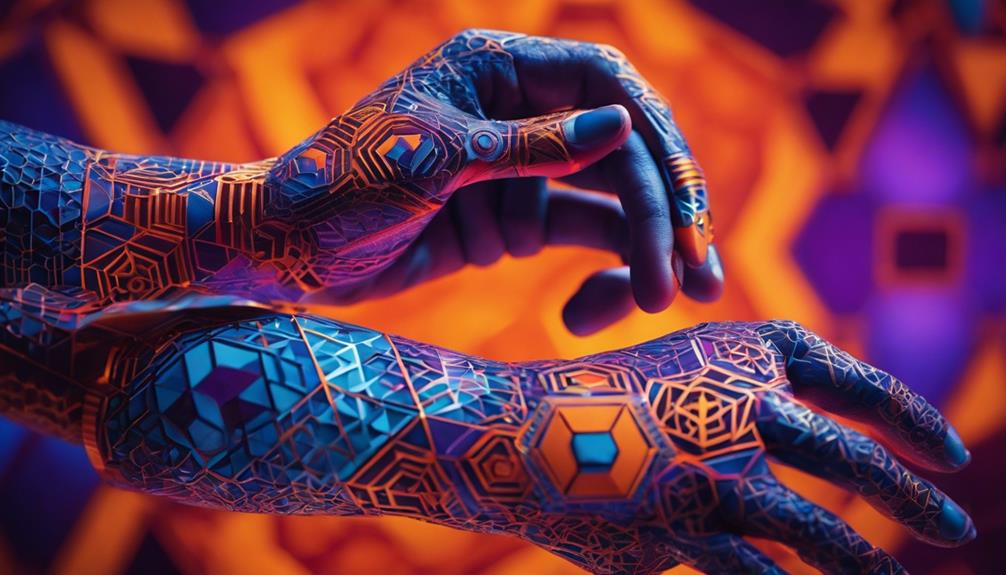
Geometric tattoos on the inner forearm create depth and visual interest through layered shapes. Artists use balanced asymmetry to design harmonious yet dynamic pieces that challenge traditional symmetry.
Negative space plays a crucial role in these tattoos, enhancing contrast and allowing elements to stand out.
The result is a visually striking and thought-provoking piece of body art that catches the eye and sparks conversation.
These abstract compositions offer a unique way to express personal style and artistic taste.
The inner forearm provides an ideal canvas for showcasing intricate designs, making it a popular choice for those seeking a bold yet sophisticated tattoo.
Layered Shapes and Forms
Geometric compositions with overlapping shapes create visual depth and complexity. Artists arrange circles, triangles, and squares in various sizes and opacities, producing captivating designs. This technique is popular in geometric tattoos, offering a unique aesthetic appeal.
Balancing foreground and background elements is crucial in layered designs. Translucent shapes produce subtle gradients, while solid forms anchor the composition. The interplay between positive and negative space guides the viewer's eye through the intricate pattern.
Advanced geometric tattoos may incorporate complex polygons or curved elements. Using perspective and foreshortening techniques, artists can create the illusion of three-dimensional depth on the skin's surface. This adds a dynamic quality to the tattoo, making it appear to recede or project from the body.
The strategic placement of shapes and forms in geometric tattoos requires considerable skill. Artists must consider how the design will interact with the body's contours and movements. This ensures the tattoo maintains its visual impact and integrity as the wearer moves.
Color and shading play significant roles in layered geometric tattoos. Monochromatic designs can emphasize form and structure, while carefully chosen color palettes can enhance depth perception and create striking visual contrasts.
Balanced Asymmetry Techniques
Abstract geometric compositions challenge symmetry while maintaining visual balance.
Careful placement of shapes, lines, and forms creates dynamic tension, engaging viewers and inviting exploration of intricate patterns.
Geometric tattoos on the inner forearm use strategic distribution of visual weight.
Artists combine bold, angular shapes with delicate, curved elements for contrast and interest.
A larger shape on one side might be balanced by smaller shapes on the opposite side.
Color and value are crucial for balance in asymmetrical designs.
Darker hues anchor certain areas, while lighter tones create visual space.
Negative space forms patterns complementing positive shapes.
Scale, repetition, and variation of geometric elements create cohesive compositions.
Artists craft harmonious and unique tattoo designs through balanced asymmetry.
This approach results in visually arresting artwork that challenges traditional notions while maintaining aesthetic appeal.
The interplay of shapes and colors creates a dynamic canvas on the skin.
Negative Space Utilization
Negative space in abstract geometric tattoos serves as a crucial design element. It enhances the visual impact of positive shapes and forms, creating depth and balance within intricate patterns.
Artists manipulate the interplay between inked and un-inked areas to craft compositions that appear to float on the skin.
This technique creates an illusion of dimensionality, making the tattoo more visually appealing.
Effective use of negative space involves arranging shapes to form recognizable voids or silhouettes.
These empty areas become integral parts of the overall design, often carrying as much visual weight as the inked elements themselves.
Reversals, where negative space forms positive shapes, add complexity to the composition.
Gradient effects through dotwork or line weight variation emphasize the relationship between positive and negative spaces, creating a sense of movement within the static design.
Skillful manipulation of negative space transforms simple shapes into visually arresting and conceptually rich compositions.
This approach elevates geometric tattoos to a higher level of artistic expression.
Symmetrical Geometric Arrangements
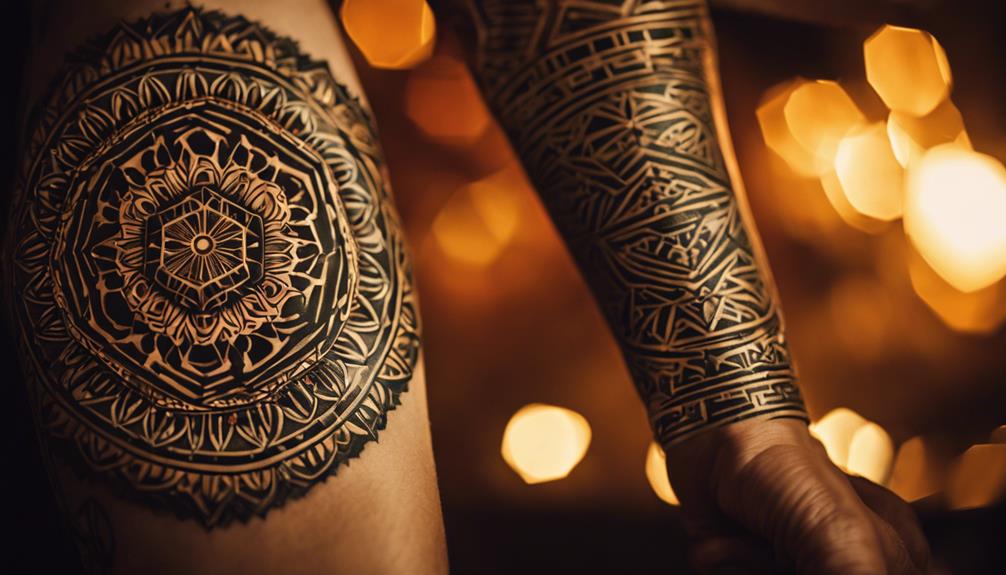
Symmetrical Geometric Patterns in Tattoos
Precise mathematical relationships form the basis of many intricate geometric patterns used in tattoos. These symmetrical arrangements create visually appealing designs that draw the eye and stimulate the mind.
Forearm tattoos often use bilateral symmetry, with patterns mirrored along a central axis. This creates balance and allows for complex interplays of shapes and lines. Radial symmetry is also common, with designs spreading from a central point, resembling a mandala.
Sacred geometry principles, like the golden ratio and Fibonacci sequence, can add deeper meaning to these symmetrical designs. Precision is crucial, as small errors can disrupt the overall symmetry. Artists may use fractals, tessellations, or repeating motifs to build complexity within the symmetrical framework.
The interplay of positive and negative space in these arrangements adds visual depth and intricacy. This technique makes the tattoos more engaging and allows for creative use of the skin as a canvas.
Symmetrical geometric tattoos can be adapted to various styles and preferences. Some people opt for minimalist designs with clean lines, while others choose more elaborate patterns with intricate details.
These tattoos often hold personal significance for the wearer. The symbolism behind geometric shapes and sacred geometry can represent personal beliefs, life philosophies, or important milestones.
The popularity of symmetrical geometric tattoos has grown in recent years. This trend reflects a broader interest in mathematics, science, and the natural world in art and design.
Frequently Asked Questions
What Is the Difference Between Inner and Outer Forearm Tattoos?
- Inner forearm tattoos: Flexible skin allows detailed designs.
- Outer forearm tattoos: More exposed to elements and wear.
What Is the Meaning of Geometric Tattoos?
- Geometric tattoos use shapes to represent abstract ideas.
- Precise lines and symmetry convey mathematical and spiritual concepts.
