

Licensing Pitfalls in AI Art Generation: 14 Key Considerations
The interplay between innovation and intellectual property rights is becoming increasingly complex in the burgeoning field of AI art generation. As creators and technologists push the boundaries of what artificial intelligence can achieve in the arts, the legal landscape needs help to keep pace.
Our comprehensive exploration of the 14 key licensing pitfalls associated with AI-generated art is an imperative guide for those navigating this uncharted territory. From understanding the nuances of copyright laws to identifying the often-overlooked exclusivity clauses, the article sheds light on the challenges that could ensnare unwary artists and developers.
The intricacies of these issues not only have profound implications for the ownership and distribution of AI-generated images but also raise fundamental questions about the role of human creativity in the era of machine intelligence. As we consider the future of art in the digital age, the importance of being well-informed on these matters cannot be overstated.
The following discourse provides essential insights for stakeholders to safeguard their work and rights.
Key Takeaways
- Copyright eligibility for AI-generated art depends on the level of human input and involvement in the creative process.
- Determining the rightful owner of AI-generated images can be complex, particularly distinguishing between autonomous AI and human-guided AI.
- Understanding the distinction between attribution and licensing rights is crucial for the responsible use of AI art.
- Compliance with legal and copyright norms, as well as proper attribution, are essential in the creation and use of AI-generated art.
Understanding Copyright Laws
In AI-generated art, discerning the boundaries of copyright law hinges on the degree of human artistic intervention in the creative process. Copyright protection, as a facet of intellectual property law, traditionally safeguards the rights of human creators by granting them exclusive control over the reproduction, distribution, and adaptation of their original works. However, the emergence of AI as a tool and medium for art creation has introduced complexities into this framework.
The central issue in applying copyright law to AI-generated art is evaluating human input. If an AI operates with substantial human guidance, the resulting work reflects the creator’s original expression, qualifying for copyright protection. Conversely, when an AI system autonomously generates art without significant human contribution, the delineation of copyright eligibility becomes blurred.
As legal systems grapple with these nuances, the distinction between complete automation and human-enhanced creation is pivotal. The pivotal question is whether the AI’s output can be considered an original work of authorship. The evolving jurisprudence around this question reflects the ongoing reassessment of the role of human creativity in the intersection of art and technology, challenging traditional notions of intellectual property rights.
Recognizing Image Rights
In AI-generated art, discerning the rightful owner of the created image can be complex and fraught with legal subtleties. The distinction between AI, which operates autonomously, and that which relies on human input is critical when navigating copyright ownership and fair use exceptions.
As we examine the implications of using tools like VQGAN for commercial endeavors, it is imperative to understand the boundaries of copyright law concerning machine-generated visual content.
Understanding Copyright Ownership
Several complexities arise when discerning the copyright ownership of AI-generated art, especially following recent rulings. The Copyright Office has determined the copyrightability of creations by autonomous AI systems, prompting a reevaluation of traditional copyright constructs. Steven Thaler’s case, involving an AI system’s artwork, underscores this legal problem, directly challenging the notion that copyright protection requires human authorship.
| FactorImplicationRelevance to AI Art | ||
|---|---|---|
| Autonomous AI | Questionable copyright | New criteria needed |
| Human Input | Copyright likely valid | Distinguishes authorship |
| Open-source AI | Complex implications | Must consider use cases |
In light of these developments, artists using open-source tools like VQGAN must navigate the new copyright landscape with informed precision to ensure the legitimacy of their creative outputs.
Navigating Fair Use Rules
Understanding the nuances of fair use rules is essential for artists and creators who incorporate AI-generated art into their work, particularly when recognizing and respecting image rights. AI art’s landscape and legal frameworks governing copyright and fair use are evolving. Here are key considerations:
- Autonomy vs. Contribution: Distinguish between fully autonomous creations and those with human creative input, as this affects fair use considerations.
- Legal Precedents: Stay informed about recent rulings by the US Copyright Office on AI-generated art to ensure compliance.
- Expert Consultation: Seek specialized legal advice on fair use protection for AI-generated images to navigate the complex copyright implications.
Analyzing these aspects is crucial for creators to ethically and legally use AI in their artistic endeavors.
Clarifying Usage Restrictions
Clarifying usage restrictions is imperative for artists and creators utilizing AI-generated art to ensure compliance with legal and copyright norms. The landscape of AI art creation is complex, and understanding whether an AI system operates autonomously or with human input is vital for discerning the legal risk associated with using such art. Artists must know that using training data in AI art generation could impose additional restrictions.
Here is a concise table summarizing key considerations regarding usage restrictions:
| Aspect | Consideration |
|---|---|
| Autonomous AI Systems | Check for inherent usage rights and restrictions. |
| Human-AI Collaborative Art | Determine the extent of human input to assess copyright. |
| Open-source Tools (e.g., VQGAN) | Understand that commercial use may require legal advice. |
| Recent Copyright Rulings | Be aware that rulings may not directly apply to all AI-generated content. |
| Commercial vs. Non-commercial Use | Clarify restrictions based on the intended use of the artwork. |
Navigating Attribution Requirements
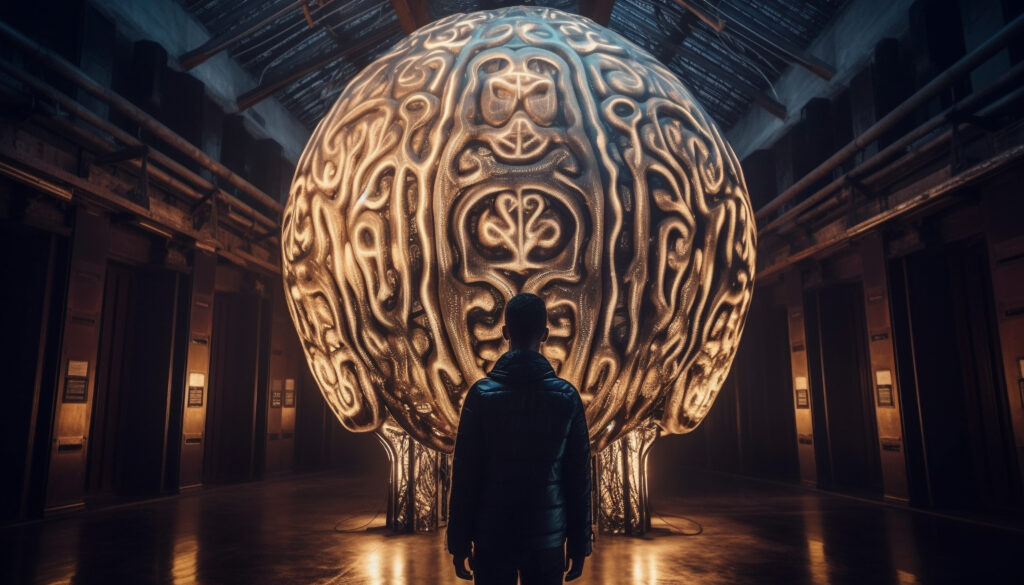
Navigating the complexity of attribution requirements in AI-generated art necessitates a thorough understanding of the existing norms, continually shaped by new precedents and interpretations.
Identifying the rightful copyright holders becomes increasingly challenging when AI systems blend numerous inputs to produce unique outputs, complicating the attribution process.
It is imperative to distinguish between attribution and licensing rights, as the former acknowledges authorship while the latter grants specific permissions for use, each carrying distinct legal implications.
Understanding Attribution Norms
As AI-generated art expands, discerning the appropriate attribution protocols becomes increasingly essential for creators to comply with copyright standards. A deep understanding of attribution norms is not merely a legal formality; it’s a matter of respecting the creative process, whether by man or machine.
Here are three key points to consider:
- Human-AI Collaboration: Recognize the interplay between human creativity and AI’s role in determining the correct attribution.
- Legal Compliance: Stay informed about evolving copyright laws that impact AI-generated artwork to avoid infringement.
- Moral Responsibility: Honor the integrity of artistic expression by acknowledging all contributions, whether from human input or AI processes.
These considerations ensure that celebrating innovation is balanced with protecting intellectual property.
Identifying Copyright Holders
In light of recent rulings by the Copyright Office, identifying the rightful copyright holders of AI-generated artwork has become a complex task that necessitates a nuanced understanding of both legal precedents and the nature of human and AI collaboration.
| Generation Method | Copyright Eligibility | Consideration for Attribution |
|---|---|---|
| Fully Autonomous AI | Generally not eligible | No human creator to attribute |
| AI with Human Input | Possible eligibility | Human creative contributions recognized |
| Open-Source Tool Use | Case-specific | Legal advice recommended |
To navigate these legal intricacies, artists, and users must analyze the extent of human involvement in the creative process. Legal counsel is advisable, especially for works intended for commercial use, to ensure copyright compliance and proper attribution, thereby safeguarding the intellectual labor of the actual copyright holders.
Attribution Vs. Licensing Rights
While identifying the rightful copyright holders of AI-generated artwork is a complex issue, it is equally important to distinguish between the requirements of attribution and the acquisition of licensing rights. Attribution is often a moral and ethical acknowledgment of the generative AI’s creator, while licensing rights govern the legal use of the artwork, particularly for commercial purposes. Understanding these nuances is critical to utilizing AI art responsibly.
To evoke an emotional response:
- Acknowledge the creative minds behind generative AI, whose innovative work fuels the art of tomorrow.
- Recognize your legal obligations to respect and uphold the licensing agreements that protect artistic endeavors.
- Embrace the responsibility of harnessing AI’s potential, ensuring its use benefits creators and users alike.
Assessing Risks of Derivative Works
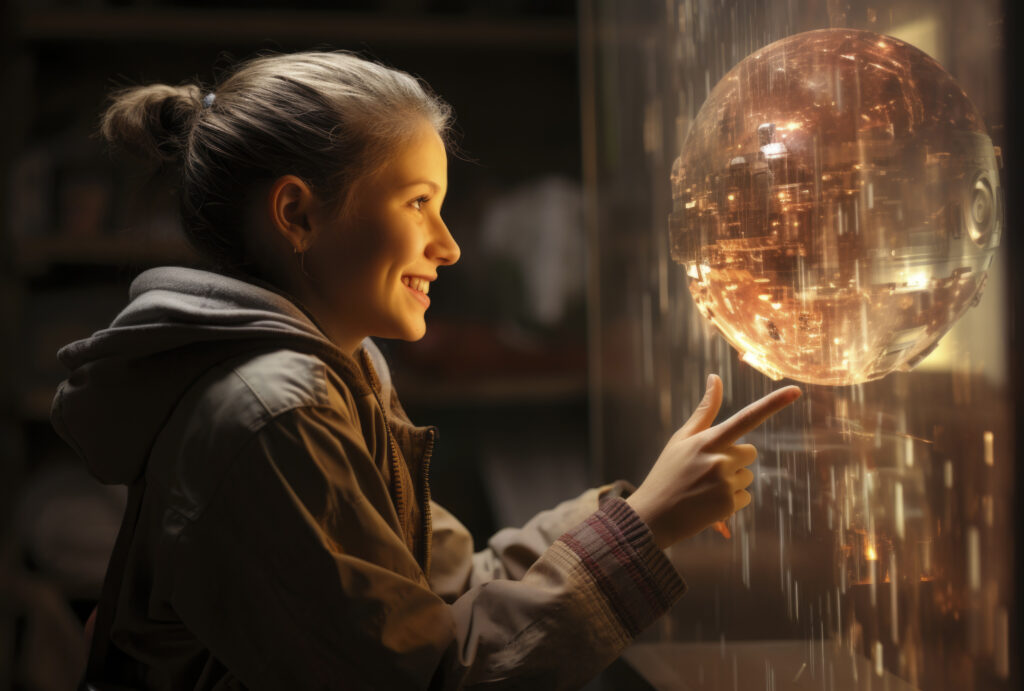
Given the US Copyright Office’s stance on AI-generated art, creators must carefully evaluate the risks associated with producing derivative works, particularly in cases where the AI operates with a high degree of autonomy. The ruling implies that art generated by systems such as Thaler’s AI, which functions without significant human input, may not be eligible for copyright protection. This creates a legal minefield for artists and developers who rely on such autonomous systems to create art as the boundaries of copyright infringement become blurred.
Moreover, the distinction between fully autonomous systems like Thaler’s AI and those involving human creative contributions, such as VQGAN+Clip, is crucial. While the former may fall outside copyright protection, the latter may qualify, given the human element involved. This raises questions about the legal status of derivative works generated using open-source tools like VQGAN, mainly when used for commercial purposes.
The need for clear legal frameworks grows as AI art generation technologies like Stable Diffusion become more advanced. Creators must navigate this evolving landscape with caution, understanding the potential copyright implications of their work. The lack of concrete legal guidance on such matters necessitates a thorough risk assessment when creating and distributing AI-generated derivative works.
Evaluating Commercialization Limitations
Navigating the intricate commercialization landscape, artists and businesses must carefully examine the limitations of recent copyright rulings on using AI-generated art for profit. The US Copyright Office has significantly influenced this domain, particularly its stance on the copyrightability of AI-created content. When considering image generators for commercial ventures, one must discern whether the AI system operates autonomously or involves human creative input, as this distinction is crucial for copyright considerations.
To ensure a robust understanding and compliance with the law, stakeholders should:
- Comprehend the full scope of the US Copyright Office’s ruling on AI-generated art and its protection and ownership rights implications.
- Acknowledge the importance of human intervention in AI systems that generate art and its influence on the eligibility for copyright claims.
- Consult with legal experts to interpret the complexities of copyright laws about using open-source AI tools like VQGAN for profit.
Staying abreast of legal developments and actively seeking professional advice is imperative for those aiming to navigate the commercialization of AI-generated art without succumbing to legal pitfalls. Ensuring adherence to copyright law is a legal necessity and a safeguard against potential financial and reputational damage.
Identifying Exclusivity Clauses
To safeguard their interests, users of AI art generation platforms must meticulously scrutinize any exclusivity clauses within the terms and conditions, which could significantly impact ownership and usage rights of the created content. Exclusivity clauses are legally binding stipulations that define how content generated by AI models can be used and who holds the primary rights. These clauses may grant the AI provider extensive control over the art produced, often reserving rights that could limit the user’s freedom to exploit their creations.
Understanding the scope of exclusivity is essential. Users should be aware of clauses that could prevent them from using the generated art for commercial purposes or restrict modifications and distribution. It’s equally crucial to evaluate whether these terms confer exclusive rights to the AI platform, potentially overriding any user claims to ownership. Engaging with legal professionals can be invaluable in interpreting the ramifications of these clauses.
Below is a table summarizing critical considerations regarding exclusivity clauses:
| Consideration | Implication |
|---|---|
| Commercial Use Restriction | Limits potential revenue streams from AI-generated art |
| Modification and Distribution Limits | Restricts creative control and sharing capabilities |
| Exclusive Rights to AI Provider | Users may be unable to clAIm ownership or compete with the AI platform’s use of the content. |
Avoiding Infringement Penalties
Artists and creators employing AI art generation tools must be vigilant in understanding and complying with copyright laws to avoid potential infringement penalties. Regarding AI-generated art, the landscape of copyright law is fraught with complexity, particularly following recent rulings that challenge the status quo of copyright eligibility for autonomously created works.
To navigate this legal terrain effectively, adherence to the following measures is crucial:
- Acknowledge Human Input: Given the ruling’s emphasis on human creative contribution, artists should ensure their involvement in AI creation is significant and well-documented.
- Seek Legal Counsel: When using open-source AI tools like VQGAN for commercial purposes, obtaining professional legal advice is paramount to comprehending and adhering to the nuances of copyright law.
- Stay Informed: As copyright laws evolve with the advent of AI technologies, staying current with legal precedents and guidelines is indispensable in avoiding infringement penalties.
An analytical review of these practices underscores the significance of proactive engagement with the legal aspects of AI art creation. By internalizing these guidelines, artists can safeguard their work against infringement risks and foster a legally compliant environment for innovation in AI-generated art.
FAQs
What is licensing in the context of AI art generation?
Licensing refers to the legal permissions granted by the creator or copyright holder of AI-generated art, specifying how others can use, share, or modify the artwork.
Why is licensing important in AI art generation?
Licensing is crucial in AI art generation to define the terms under which the generated artworks can be used, distributed, and monetized. It helps avoid legal issues and ensures proper attribution and compensation for the creators.
Can AI-generated art be automatically considered public domain?
No, AI-generated art is not automatically in the public domain. The legal status depends on various factors, including the applicable copyright laws, the nature of the AI’s involvement, and the rights the creator assigns.
Who owns the copyright to AI-generated art?
Determining copyright ownership can be complex. In some jurisdictions, the copyright may belong to the human creator who trained the AI, while in others, it might be shared between the human and the AI.
What are the risks of not having an explicit licensing agreement for AI art?
Without an explicit licensing agreement, there is a risk of copyright infringement, legal disputes, and challenges in determining the rightful use and ownership of AI-generated art.
