

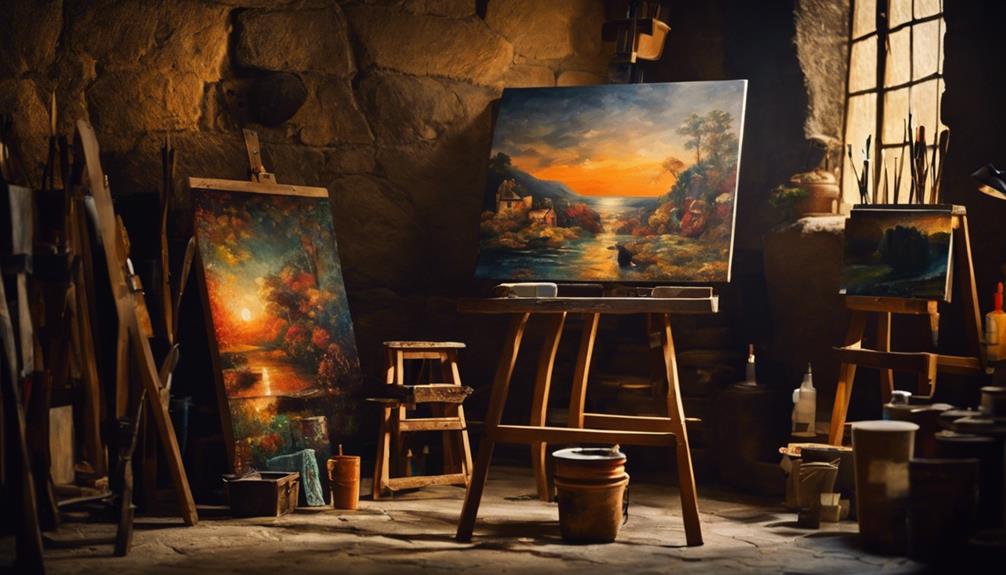
Photorealistic art, a highly realistic art movement that emerged in the 1960s and 1970s, blurs the boundaries between painting and photography to create a unique fusion of these two mediums.
Pioneering artists, such as Richard Estes and Chuck Close, mastered this style by capturing urban landscapes and reflective surfaces with uncanny accuracy.
The techniques involved in photorealistic art include combining multiple photographs taken from different angles to compose a single, highly detailed image.
This fusion has pushed the boundaries of what is possible and opened up vast creative potential.
To learn more about the evolution and innovations in this art form, continue on this journey.
Key Takeaways
Photorealism emerged in the 1960s, characterized by meticulous attention to detail and precision, blending painting and photography.
Photorealist pioneers, Richard Estes and Chuck Close, captured urban landscapes and reflective surfaces with uncanny accuracy through layering and airbrushing techniques.
Photorealist techniques involve multiple photographs, airbrushing, and layering to create highly realistic images, which continue to evolve with innovative technologies and diverse subject matter.
Understanding Photorealism
Photorealism, a highly realistic art movement that emerged in the 1960s and 1970s, is characterized by its meticulous attention to detail and precision. It blurs the boundaries between painting and photography, creating a unique fusion of these two mediums.
Pioneering Photorealist Artists, like Richard Estes, have mastered this style by capturing urban landscapes and reflective surfaces with uncanny accuracy. Estes' paintings exemplify the photorealism finesse, demonstrating the methodology of these artists.
Photorealist Techniques involve combining multiple photographs taken from different angles to compose a single, highly detailed image. This process involves using photographs as a reference source and meticulously recreating every aspect to achieve a realistic effect. Attention to Detail is key, as artists use techniques such as airbrushing and layering to perfect every nuance.
The Movement's Influence can be seen in contemporary art, where many artists incorporate photorealistic techniques into their work. Photorealism's Legacy continues to shape artistic styles, emphasizing realism over abstraction and idealism, and often blending elements from other art movements such as Pop Art and Minimalism.
A New Perspective in Art
Photorealism has opened new avenues for artistic expression and has expanded the possibilities of visual representation.
This movement, which emerged in the 1960s and 1970s, characterized by its hyper-realistic style, challenged traditional notions of perspective and composition, introducing a distinct precision and realism in art.
Artists like Richard Estes and Chuck Close pioneered this style by using commercial art and illustration tools to create highly realistic paintings that blurred the lines between painting and photography.
Estes' technique of combining multiple photographs to create composite works allowed for artistic liberties that strengthened compositions and controlled visual effects.
This approach not only rejected the bias against craft in traditional art but also emphasized the importance of technical virtuosity.
The ability to control perspective and composition enabled photorealistic artists to present multiple focal points and reflective surfaces, creating a sense of abstraction within their works.
The discipline and precision in photorealistic art have set a new standard for representation, enabling artists to push the boundaries of visual expression.
As a result, photorealism has carved out a unique niche in the art world, expanding the possibilities of what art can represent and how it can be perceived.
Technical Mastery of Painters
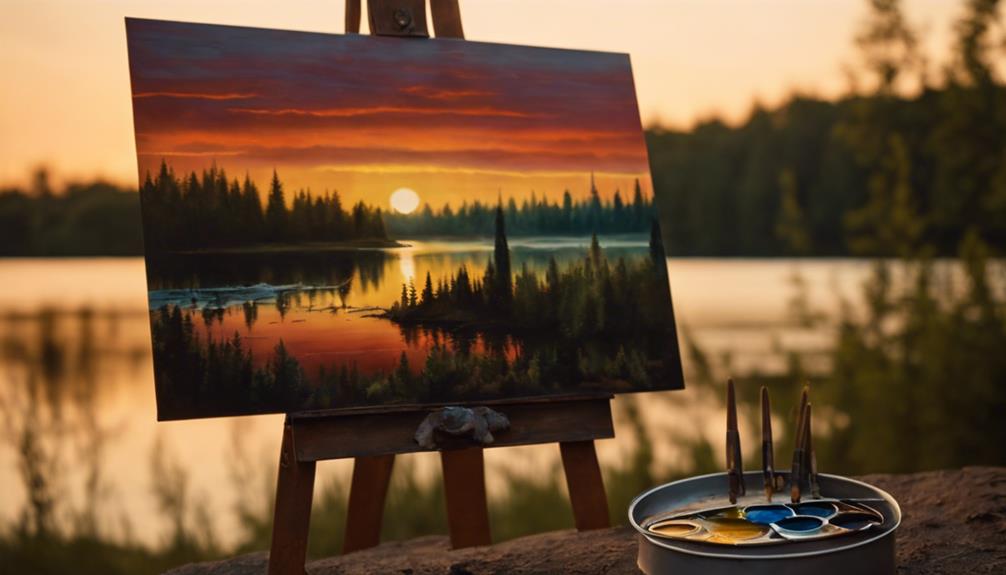
Through meticulous attention to detail, technical mastery in Photorealism elevates the genre to new heights of precision and realism.
Richard Estes exemplifies this level of mastery. He employs underpaintings made with acrylic paint to perfect his compositions, ensuring visual harmony by repositioning elements and controlling light and shadow.
Estes' artistic precision goes beyond a mere celebration of cleanliness and order. His expert use of diverse linear cues within the composition guides the viewer's gaze, deepening engagement.
His technique often presents the viewer with split-screen effects, challenging perception by juxtaposing two distinct worlds within the frame.
Chuck Close's works stand as tributes to the unyielding dedication and expertise that define this art movement.
Close's photo-grid process, which involves dividing an image into smaller units and meticulously painting each square to create detailed portraits, underscores the technical mastery of Photorealism.
Individual Styles and Contributions
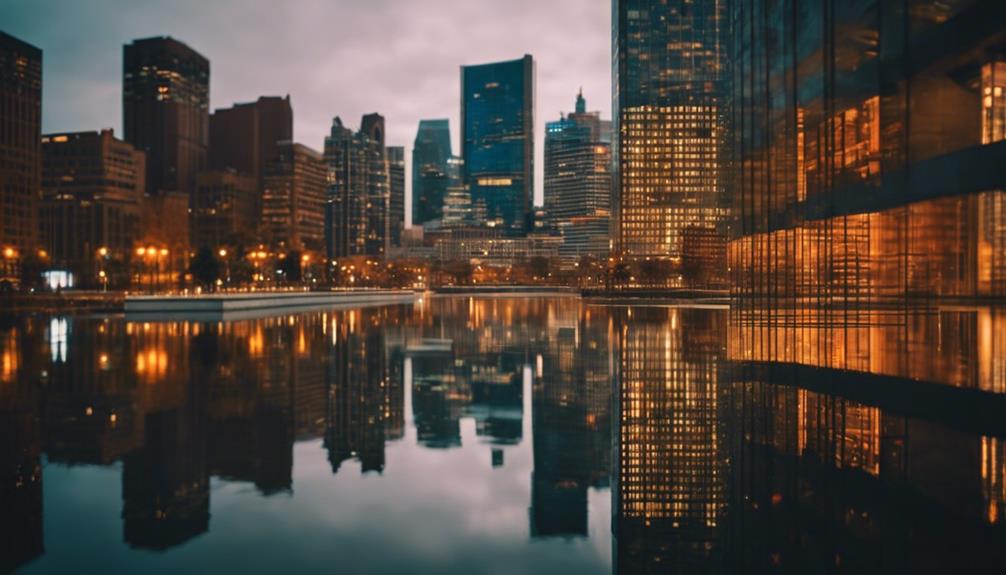
Individual Photorealists have each brought distinct contributions to the movement, elevating its aggregate renown through their unique perspectives and technical approaches.
One of the primary pioneers, Richard Estes, is known for his bold execution of reflective images, glass, and steel. Estes takes artistic liberties by rearranging elements to heighten compositions and control visual effect, creating multiple focal points that challenge the viewer's perception.
Chuck Close is another notable Photorealist who employs a grid system to achieve precise details in his works. Close shifted towards Pop-inflected figuration and utilized commercial art and illustration tools, developing a three-color process and various imposed systems to create large-scale black-and-white portraits of family and friends.
His use of airbrush techniques and juxtaposed colors creates pixelated mosaics that are both visually striking and highly realistic.
These artists, along with others, have continued to push the boundaries of Photorealistic art, expanding upon traditional techniques and styles.
Their contributions have formed the rich tapestry that Photorealism has become, showcasing an unwavering dedication to technical mastery and attention to detail.
Evolving Artistic Approach
Richard Estes Continues to Refine His Photorealist Approach through Innovative Techniques and Compositional Adjustments.
Richard Estes, a master of Photorealism, evolved his approach by combining multiple photographs to create complex compositions.
He utilized acrylic underpaintings to figure out his compositions, taking artistic liberties to strengthen the visual effect.
Estes' technique blurred the distinctions between painting and photography, exploring the intersections between natural and manmade worlds.
Linear cues within his compositions guide the viewer's eye through the scene, often featuring reflected images, glass, and steel.
These elements create a sense of abstraction and multiple focal points, challenging the viewer's perception.
Estes' use of reflective surfaces and distorted light added to the hyper-realistic quality of his paintings, making them appear like direct, painted copies of photographs.
His ability to merge multiple viewpoints and create dense, detailed scenes rewards the viewer with careful observation.
Through his technique, Estes continues to redefine Photorealism, pushing the boundaries of this art movement.
Challenging Traditional Techniques
Richard Estes' innovative approach to Photorealism challenged traditional techniques, emphasizing control and precision to depict the modern world as orderly and systematic.
By combining multiple photographs and taking artistic liberties, Estes created unique compositions that blurred the distinctions between painting and photography.
Estes' methodologies heralded a new era in the art world, contrasting starkly with the unstructured, emotional approach of Abstract Expressionism.
His technique involved creating underpaintings with acrylic paint to visualize his compositions.
Estes' groundbreaking style not only visually described the post-war age but also challenged traditional artistic techniques.
His use of reflective surfaces, glass, and steel added depth and complexity to his paintings.
By diverging from the traditional one-point perspective, Estes' work presented a more nuanced, multifaceted view of reality.
His Photorealist approach, marked by precision and control, opened new doors for artistic exploration.
Taking Cues From Photography
Photorealistic artists like Richard Estes seamlessly integrate photography into their creative process to craft hyper-realistic works that challenge our understanding of representation and artistic expression.
One crucial technique they adopt is combining multiple images to construct complex compositions. This technique grants artists immense control over visual information, allowing them to achieve precision and attention to detail that renders the resulting artworks almost surreal.
Photorealistic artists also borrow from photography's ability to capture reflective surfaces and distorted light, adding an abstract element that makes their works visually striking.
This masterful integration of photographic techniques blurs the boundaries between painting and photography, engaging the viewer in a nuanced exploration of representation and reality.
The effective blending of techniques enables these artists to push the limits of their medium, yielding a particularly mesmerizing and evocative art form.
Contemporary Realism Today
Modern Realism
Reimagining Photorealism
Contemporary photorealism continues to evolve through innovative techniques, new technologies, and diverse subject matter, expanding the creative possibilities of this art form.
Artists have quickly adapted the advancements in AI and machine learning, exemplified in institutional exhibitions like Refik Anadol's 'Unsupervised' at the Museum of Modern Art.
Artistic Pioneers
Pioneers like Chuck Close have left a lasting impact on the evolution of photorealism.
Their groundbreaking work has led to explorations of techniques such as fingerprinting, layering shapes of colors, and innovative use of airbrushes and grid systems.
This fusion of traditional techniques with modern technologies has enabled a broader array of artistic possibilities.
Globalizing Photorealism
The global perspective of photorealistic art has also been extensively documented in scholarly works, providing an exhaustive view of art from various corners of the world, including lesser-known subjects and periods.
This global perspective, fueled by technological advancements, continues to redefine the boundaries of this art form.
Artistic Evolution and Innovation
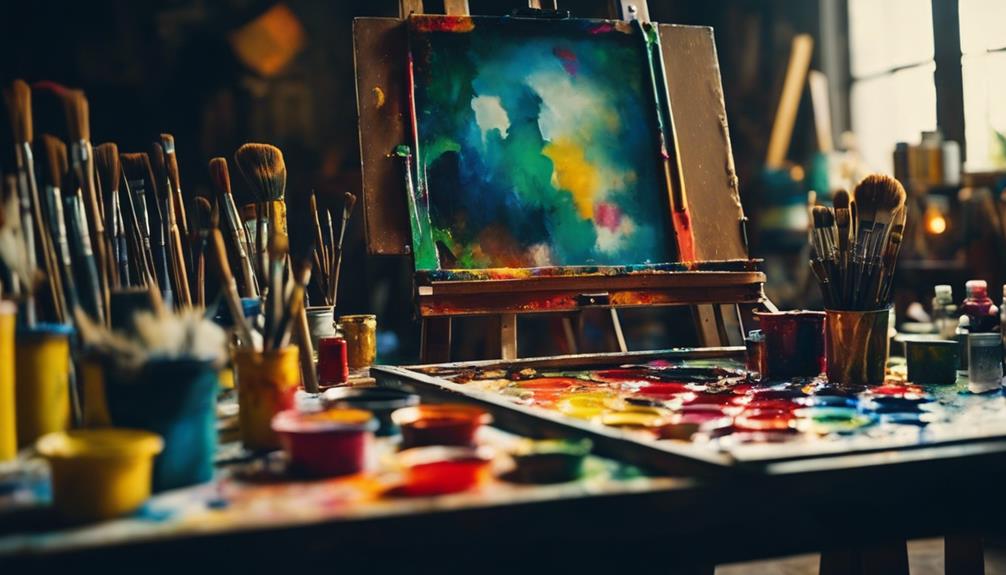
Innovative techniques and cutting-edge technologies are driving the art of photorealism towards new frontiers, as artists experiment with fresh approaches to composition, lighting, and manipulation.
Richard Estes, a pioneering figure in the genre, exemplifies this artistic evolution by combining multiple photographs to craft compositions that not only demonstrate technical mastery but also challenge traditional notions of perspective and composition.
Chuck Close, another leading photorealist, has also contributed substantially to the artistic evolution in the field.
His use of a grid system allows him to create large-scale, high-detail portraits that blur the distinction between painting and photography.
Close's work showcases the precision and control that define photorealism, underscoring the importance of craft in this artistic style.
The intersection of technical skill and creative vision defines photorealistic art, pushing the boundaries of what is possible.
As artists continuously experiment and innovate, photorealism continues to evolve, enthralling audiences with its ability to blur the lines between reality and art.
Frequently Asked Questions
What Is the Point of Photorealistic Art?
What Is the Point of Photorealistic Art?
Photorealistic art transcends reality by conveying emotional depth through intricate details, compelling viewers to engage on a personal level.
Key Takeaways:
- Photorealistic art extends beyond realism, focusing on emotional expression.
- Detailed realism evokes complex emotions, engaging viewers personally.
- Artistic skill and attention to detail are crucial for impactful photorealistic art.
What Was Richard Estes Inspired By?
- Urban landscapes and reflective surfaces from various parts of the world, including Europe, inspired Richard Estes to create photorealistic paintings.
- Travels and everyday experiences, such as observations of plate-glass windows and car bonnets in New York, influenced Estes's visual interests.
- Photography and sketches from his travels were used as a basis for Estes's detailed and hyper-realistic paintings, offering a visual record of the contemporary world.
What Is the Difference Between Hyperrealism and Photorealism?
- Photorealism: Precisely replicates photographic sources with a focus on mundane subjects and a clean, clinical tone.
- Hyperrealism: Exaggerates reality to evoke emotional responses; often employs larger than life depictions.
- Key Differences: Hyperrealism emphasizes emotional impact while Photorealism maintains a detached, precise replication.
What Are Photorealistic Art Techniques?
Photorealistic Art Techniques
Photorealistic art techniques involve precise brushstrokes and layering, often employing mechanical means for achieving accuracy.
