

Enhanced images achieve a stunningly realistic quality due to advanced AI-powered techniques that meticulously generate detailed textures, carefully balanced lighting, and nuanced facial features.
These methods effectively recreate the subtleties of real images, from precise texture and pattern rendition to minute facial details, leading to an uncanny blend of reality and artificial construction.
Current AI-based tools like Ponzu and Imagen enable quick generation of photorealistic textures and high-quality images from text prompts.
They are ideal for assisting designers in video game development, virtual reality, and animation.
Researchers continue to improve these methods, working towards more interactive control and higher-level information extraction from textures.
Key Takeaways
The advanced techniques and sophisticated algorithms have brought AI-generated images to life, thus making images hyper-realistic:
- Deep Learning contiguous neural networks can identify details difficult for the human eye, enhancing visual quality.
- Real-time Processing ensures smooth and clear enhance[…]
AI-Powered Realism Techniques
AI-Powered Realism Techniques
AI-generated images have made remarkable progress, creating visuals that initially appear almost indistinguishable from authentic ones.
Advanced methods generate high-resolution images with detailed textures, making them increasingly difficult to distinguish from real photos.
Upon closer inspection, subtle clues reveal their artificial nature. Clarity issues could lead to pixelation or blurry edges. Lighting errors include inconsistencies in shadows and reflections.
The facial features generated by AI might appear slightly off, with oddities in the eyes, ears, or hair, while body language or facial expressions can be awkward or unnatural.
Despite these signs, AI image enhancement has achieved impressive results, demonstrating the power of higher resolution and detailed rendering in creating realistic images.
These advanced techniques are set to revolutionize the world of image enhancement and creation by leveraging machine learning and deep learning algorithms to enhance video streams in real-time, improve low-light image quality, and process vast amounts of data to recognize patterns and features difficult to discern by human eye.
This leads to more realistic and visually appealing images.
The field continues to evolve with the rise of AI-powered tools that can run on mobile devices and the emergence of applications such as Deep-image.ai.
Subtle Details in Enhanced Images

Subtle Details in Enhanced Images
When analyzing enhanced images, inconsistencies can arise as interpolated details may not align perfectly with the genuine data captured by the camera, indicating potential artificial manipulation. This tension occurs because the camera's capture sets limits on the amount of detail that can be enhanced.
Texture and Patterns
Images created by humans typically lack stark artificiality, with subtle details like textures and patterns lending credibility. AI-generated images often struggle with complex textures and patterns, leading to repetition or awkward shifts. This aspect is especially important when evaluating the authenticity of an image.
Credibility Through Blended Details
It is crucial to closely examine the subtleties of an enhanced image, ensuring that added details blend seamlessly with the genuine data. Real-world textures and patterns, which are often lacking in AI-generated versions, play a significant role in establishing credibility.
The Illusion of Authenticity
AI-generated images are now more commonly used for deception, making it increasingly difficult to distinguish between fabricated and authentic content.
These images, created with advanced algorithms, blur the lines between reality and what is artificially constructed. Often, individuals struggle to discern real images from those that seem authentic due to the high level of detail and visual realism.
Subtle inconsistencies, such as pixelation, unnatural lighting, and shadows, or facial features that are unusually perfect, may indicate the use of AI.
Moreover, AI-generated images excel at mimicking the textures and patterns present in real-world scenes.
To differentiate between what is real and what is not, a more critical eye is necessary when examining the images we encounter.
Enhancing Minor Image Details
Enhancing Minor Image Details: Authenticity Unveiled
Effortless preservation of skin pores, eyelashes, or fabric textures plays a significant role in creating images that look natural and unprocessed. These intricate details ensure a seamless integration with the rest of the image, thereby maintaining the authenticity of the enhanced picture.
Precise detail enhancement is critical for realism in images. Ideal tools should sharpen details while preserving the underlying essence of the image.
Advanced AI algorithms now handle these details with remarkable precision, improving the overall resolution and clarity of the image.
Minor imperfections like oversaturations or inconsistencies in facial expressions can expose the artificial nature of meticulously crafted images. These small flaws substantially impact the overall realism of enhanced images, highlighting the importance of precise detail enhancement.
Human perception is deeply tied to the intricate balance that creates the illusion of authenticity. Understanding this balance is crucial for enhancing minor image details in a way that appears natural and unprocessed.
Enhancing minor details is now about more than just handling noise and artifacts; it requires a profound appreciation for the human perception of reality.
Balancing Art and Technology
Art and Technology
Balancing Art and Technology
Balancing art and technology unlocks the true potential of image enhancement by blending technical prowess with artistic sensibility.
As AI capabilities advance, the need for human collaboration grows vital. AI-generated images can be realistically stunning, but lack the understanding of guiding the viewer's eye inherent in human artistry. This emphasizes the importance of high-quality data curation to prevent biased or skewed output.
The convergence of artistic vision and technical acumen is essential for remarkable visuals. Human imagination pairs with AI's image-enhancing abilities, transforming the ordinary into the extraordinary. This fusion holds the key to revealing visually stunning, enhanced images that blur the boundaries between the real and the digital.
In the contemporary digital landscape, the role of high-quality datasets cannot be understated. Datasets must be curated with care to ensure that the output is accurate and representative. This attention to detail ensures that AI-generated images are not only visually stunning but also free from biases and inaccuracies.
By marrying art and technology, we can create breathtaking visuals that push the boundaries of digital art itself.
The current digital landscape presents numerous opportunities for artists to explore the intersection of art and technology. Interactive media art, powered by technological advancements, offers immersive experiences that redefine the traditional audience-artwork relationship.
The key to unlocking its potential lies in the successful integration of artistic vision with technical prowess, ensuring that creativity is not limited by the algorithm's output.
AI-Generated Image Nuances
AI-Generated Image Nuances
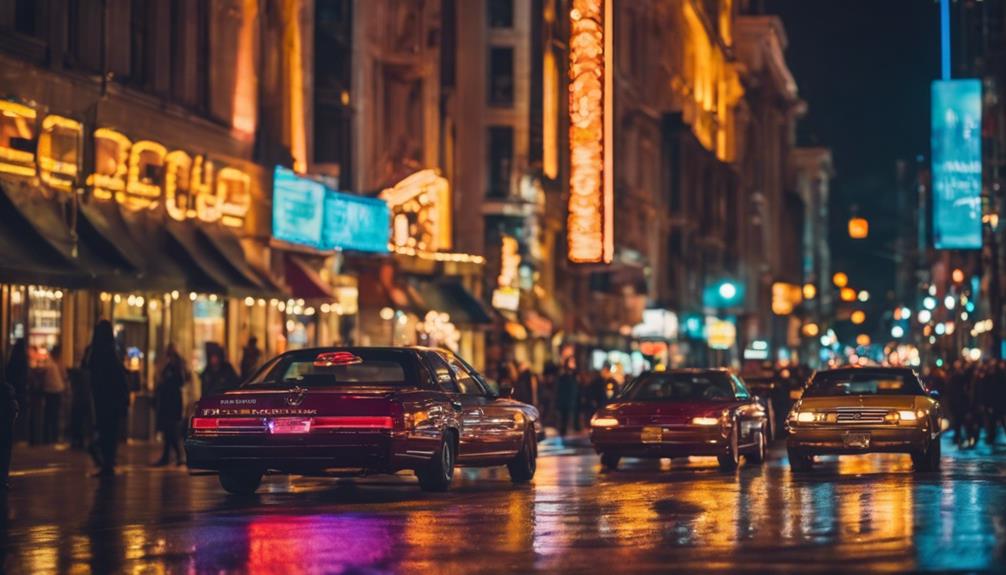
The significant drawback in AI-generated images is their inability to replicate the subtleties of human creativity, often leading to various shortcomings.
These images frequently lack texture variation, have anatomical inaccuracies, and poor lighting rendering, resulting in an image that appears too smooth and lacks an authentic feel.
AI-generated images frequently misproportion figures and display flat, two-dimensional compositions lacking depth and atmosphere.
The limitations are particularly evident in anatomical structure, where AI art often struggles with tangencies, producing smudged or obscured details.
This issue is amplified by the algorithm's propensity to create superfluous limbs, background figures, or unclear details.
Despite these limitations, AI-generated images hold potential for enhancement.
By acknowledging these limitations, we can work towards refining AI art to create more nuanced and realistic images that incorporate depth, texture, and attention to detail.
Realism and texture are key aspects that need to be improved.
To enhance images, we need to bridge the gap between AI capabilities and the intricacies of human perception.
This requires ensuring that different objects in the image are accurately rendered and evince a palpable sense of dimensionality.
Deceptive Realism in Images

Deceptively realistic images, a hallmark of advanced AI-generated art, pose significant challenges in distinguishing between real and synthetic visuals.
These images are highly realistic due to sophisticated algorithms and large datasets, making them increasingly indistinguishable from real-life images.
The realism of these images can be attributed to subtle inconsistencies, such as pixelation or minor detail errors in lighting, shadows, and reflections. Facial features, too, can appear slightly off, including unusual eye shapes, awkward facial expressions, and unnatural body language.
The use of advanced AI technologies allows for the creation of highly detailed and lifelike backgrounds, far surpassing traditional image editing tools. However, such detailed images can sometimes include repetitive patterns in textures, making them slightly suspect upon closer inspection.
The deceptive realism of AI-generated images can be used in various fields, from creative media to more nefarious purposes like misinformation campaigns, making it essential to determine whether an image is real or synthetic.
Law enforcement agencies use license plate scanning to gather vital information, which may be aided by AI technology to detect and analyze images efficiently.
Frequently Asked Questions
What Makes a Picture Look Realistic?
A realistic picture needs three key components:
- Cohesive Color Palette: A well-chosen color palette creates an immersive atmosphere.
- Accurate Lighting Effects: Nuanced lighting enhances realism by simulating real-world phenomena.
- Textural Details: Intricate textural details evoke authenticity and depth in an image.
Is Enhancing Images Real?
- Digital Integrity at Stake:
- Enhancing images raises questions about authenticity.
- Photo manipulation blurs reality and art.
- Technology's role in creating realism sparks debate.
How Does AI Enhance Image Quality?
AI enhances image quality through noise reduction and sharpness enhancement techniques, refining details to produce realistic and high-quality results.
How to Make AI Pictures More Realistic?
To enhance AI-generated images:
- Use advanced algorithms that enhance details and natural elements, ensuring lifelike quality.
- Strategic lighting creates depth and dimensionality, adding realism.
- Detailed textures evoke a tactile response, making images more authentic.
