

AI-generated nude imagery creates legal and ethical challenges. It disrupts traditional ideas of consent and privacy.
This technology raises concerns about personal autonomy and digital rights. It also has potential for abuse.
Current laws don't adequately address these issues. Lawmakers are proposing new legislation to tackle the problem.
Victims of AI-generated nudes often face severe psychological impacts. This highlights the need for stronger protections.
Fighting the spread of deepfakes requires multiple strategies. These include tech solutions, legal actions, and public education.
Balancing innovation with harm reduction is crucial. It requires thoughtful governance and collaboration across disciplines.
Understanding the nuances of AI-generated imagery is key. It helps navigate the complex digital landscape we face today.
Key Takeaways
- AI-created nude images raise consent and privacy concerns.
- Laws lag behind technology for AI-generated intimate content.
- Collaboration needed to address ethical issues of artificial nudes.
Understanding AI-Generated Nude Technology
AI-Generated Nude Technology: A Growing Concern
AI algorithms now create realistic nude images from clothed photos, sparking ethical debates. This technology, popularized by the DeepNude app in 2019, uses generative adversarial networks (GANs) to transform regular images.
The process involves analyzing clothed figures, generating nudes using AI trained on explicit datasets, and refining for realism. While technologically advanced, this raises serious questions about consent and privacy.
The impact of AI-generated nudes extends beyond individual violations. It challenges societal norms, relationships, and legal systems. As the technology becomes more accessible, it presents complex issues for lawmakers and ethicists.
Addressing these challenges requires a multi-pronged approach. Developing better detection tools, raising public awareness, and creating protective legislation are crucial steps. These measures aim to safeguard individuals from non-consensual digital nudity.
The rise of AI-generated nudes highlights the need for ongoing discussions about technology ethics. It underscores the importance of balancing innovation with personal rights and societal well-being.
Legal Implications and Regulatory Efforts
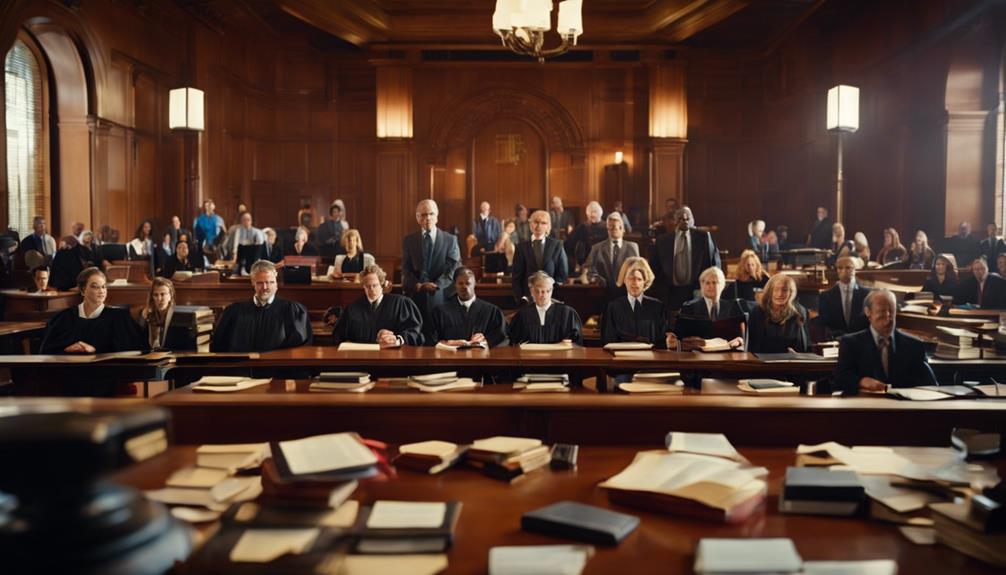
Legal Challenges in AI-Generated Imagery
AI-generated nude imagery has created complex legal issues around consent, privacy, and digital ethics. Current laws struggle to address these new technologies, as seen in the differences between federal and California state laws on computer-generated images in child pornography cases.
Lawmakers are proposing new legislation to address the distribution of AI-generated intimate imagery without consent. The complexity of the issue requires input from experts in various fields to guide policy decisions on AI and deepfake content.
Age and consent remain crucial factors in determining the legality of creating and sharing AI-generated nudes. Legal experts are working to develop frameworks that can effectively address the unique challenges posed by artificial content in digital spaces.
Interdisciplinary collaboration is essential to navigate the ethical and legal questions surrounding AI-generated imagery. Academics and policymakers are joining forces to create comprehensive guidelines that protect individuals while allowing for technological innovation.
As technology advances, laws must adapt to protect privacy and prevent exploitation. The legal landscape continues to evolve, with ongoing debates about how best to regulate AI-generated content while balancing free speech concerns and individual rights.
Ethical Considerations of Deepfake Nudes
Deepfake Nudes: A Minefield of Ethics
The creation of non-consensual AI-generated nude images raises serious ethical concerns. These include violations of privacy, personal autonomy, and dignity. The technology makes it easy to produce and spread fake nudes, opening doors for harassment and blackmail.
This issue goes beyond individual harm. It erodes trust in digital media and makes it harder to tell real from fake content. The consequences for social discourse and digital literacy are significant. Current laws struggle to keep up with the technology, leaving victims with few options.
Developing strong ethical guidelines and legal protections is crucial. Balancing free speech with privacy rights will be key in tackling the problems posed by deepfake nudes. Society must adapt quickly to address these complex challenges.
Legal frameworks need updating to handle copyright, consent, and digital rights in the age of AI-generated content. This requires careful consideration of how to protect individuals while preserving innovation. Policymakers face the task of crafting laws that are both effective and flexible.
Education about digital literacy and media manipulation is vital. People need tools to critically evaluate content they see online. This knowledge can help mitigate the harmful effects of deepfake technology on individuals and society as a whole.
Impact on Individuals and Society
AI-generated nude images have serious consequences for individuals and society. These images violate privacy, damage relationships, and harm mental health. Women are often targeted, reinforcing gender inequality.
The spread of fake nudes erodes trust in digital content. This impacts online interactions, legal evidence, and public discourse. Addressing these issues requires cooperation between tech firms, lawmakers, and civil society groups.
Effective solutions must balance individual rights with innovation and free speech. This includes developing ethical guidelines, technical safeguards, and updated laws. These measures aim to protect personal dignity in today's digital environment.
The psychological impact on victims is severe. Many experience distress, relationship problems, and lowered self-esteem. These effects underscore the need for stronger legal protections and better enforcement.
Trust in digital spaces is declining due to AI-generated content. This makes it harder to distinguish real from fake information. The consequences affect various aspects of online life and offline interactions.
Consent Issues in Digital Age

AI-Generated Nude Images Challenge Consent
The surge in AI-created nude images has exposed significant gaps in our grasp of consent in digital spaces. This trend challenges established ideas of privacy and bodily autonomy, raising complex ethical and legal questions.
Consent for AI-generated nudes is particularly troublesome. These images don't require a person's involvement or knowledge, making traditional consent models insufficient. This technological advancement necessitates a reassessment of how we safeguard personal autonomy in virtual environments.
Unchecked spread of AI-generated nudes can cause severe psychological harm. It also erodes trust in online interactions, highlighting the need for updated legal frameworks and ethical AI development practices that prioritize individual rights.
Addressing these issues requires a multi-pronged approach. Legal systems must adapt to the nuances of AI-created content. Promoting digital literacy and raising awareness about potential AI misuse are crucial steps in empowering individuals to navigate this new landscape of digital consent and privacy.
Combating the Spread of Deepfakes

Efforts to Combat Deepfakes
Technological solutions and legal measures are at the forefront of combating deepfakes. AI-powered detection tools aim to identify manipulated images, but they aren't perfect.
Public education campaigns raise awareness about the risks of deep nude technology. These initiatives focus on digital privacy concerns, especially for public figures who are often targeted.
Many jurisdictions are enacting laws to address non-consensual pornography. Enforcing these regulations in the digital realm remains challenging.
Tackling deepfakes requires collaboration between tech companies, lawmakers, and civil society. This partnership is crucial for developing comprehensive solutions.
Balancing innovation with harm reduction demands a thoughtful approach. Policymakers, industry leaders, and the public must work together to address this issue.
Implementing strong governance frameworks for ethical AI use is vital. These frameworks help protect individuals' digital privacy rights in our interconnected world.
The fight against deepfakes continues to evolve. As technology advances, so must our strategies to combat its misuse and protect vulnerable individuals.
School Incidents and Parental Responsibility

AI-generated nude images in schools have sparked debates about parental responsibility and technological literacy. The Beverly Vista Middle School incident highlights the need for digital education and parental oversight.
Creating explicit images without consent violates privacy and may involve legal issues. This situation emphasizes the importance of parents monitoring their children's online activities. The school's response includes disciplinary action and phone restrictions, but doesn't address underlying problems.
School board members stress the need for stronger parental control, recognizing that technology issues extend beyond school. This approach should be combined with efforts to promote digital literacy and responsible online behavior. Parents and educators must work together to prepare students for the challenges of the digital world.
As AI technologies become more accessible, it's crucial to teach students about ethical online behavior. This education should cover privacy, consent, and the potential consequences of misusing technology. Schools and families play vital roles in shaping students' digital habits.
Ongoing discussions about technology use in schools are necessary. These conversations should involve students, parents, educators, and technology experts. The goal is to create comprehensive policies that protect students while promoting responsible technology use.
Expert Perspectives on AI Imagery

AI-Generated Imagery: A Growing Concern
Experts from various fields warn about the risks of AI-generated images. These concerns span ethical, legal, and societal issues that require immediate action.
AI technology has grown faster than laws can keep up. This leaves many people, especially children, at risk from uncontrolled use of these powerful tools.
Deepfakes made without consent raise privacy worries. Some doctors suggest banning social media for kids under 16 due to mental health risks from fake images.
School leaders want stronger parental controls and less screen time. They see how too much device use can harm child development.
Solving these problems needs teamwork from lawmakers, tech companies, and teachers. Experts say we need strong laws to protect privacy while allowing responsible innovation.
Better digital education and ethical rules for AI development are crucial. These steps can help reduce the potential harm from AI-generated images.
Working together across different fields can help us use AI's benefits while avoiding its misuse. This approach balances progress with protection.
Future of AI-Generated Content Regulation
AI-Generated Content Regulation Evolves
Lawmakers and industry experts are working to create comprehensive regulatory frameworks for AI-generated media. These efforts aim to address ethical, legal, and societal concerns while protecting individuals from unauthorized use of their likeness.
State legislators are taking action by implementing laws that penalize the distribution of AI-generated deepfakes. The proposed federal Nurture Originals, Foster Art, and Keep Entertainment Safe Act seeks to establish a thorough regulatory system for AI-generated content.
The potential requirement for content creators to obtain licenses from depicted individuals highlights the complexity of these challenges. Copyright lawsuits filed by prominent writers against AI companies underscore the need for robust legal mechanisms.
As technology advances, ongoing collaboration between lawmakers, industry experts, and creative professionals will be necessary to navigate this complex landscape. The future of AI-generated content regulation will likely involve striking a balance between fostering innovation and safeguarding individual rights.
Frequently Asked Questions
What Are the Legal Issues With Ai-Generated Images?
- Intellectual property concerns arise from AI-created images.
- Commercial use of AI images requires careful legal consideration.
- Privacy regulations impact AI image generation and distribution.
What Are the Ethical Issues With AI Image Generation?
- Bias in image generation affects societal representation.
- Data privacy concerns arise from training image datasets.
- Transparency in AI models impacts algorithmic accountability efforts.
What Are the Dangers of Ai-Generated Images?
- Fake images can spread misinformation and harm reputations.
- Marginalized groups face increased risks from manipulated visuals.
- Collecting and managing data for AI imagery raises ethical questions.
